

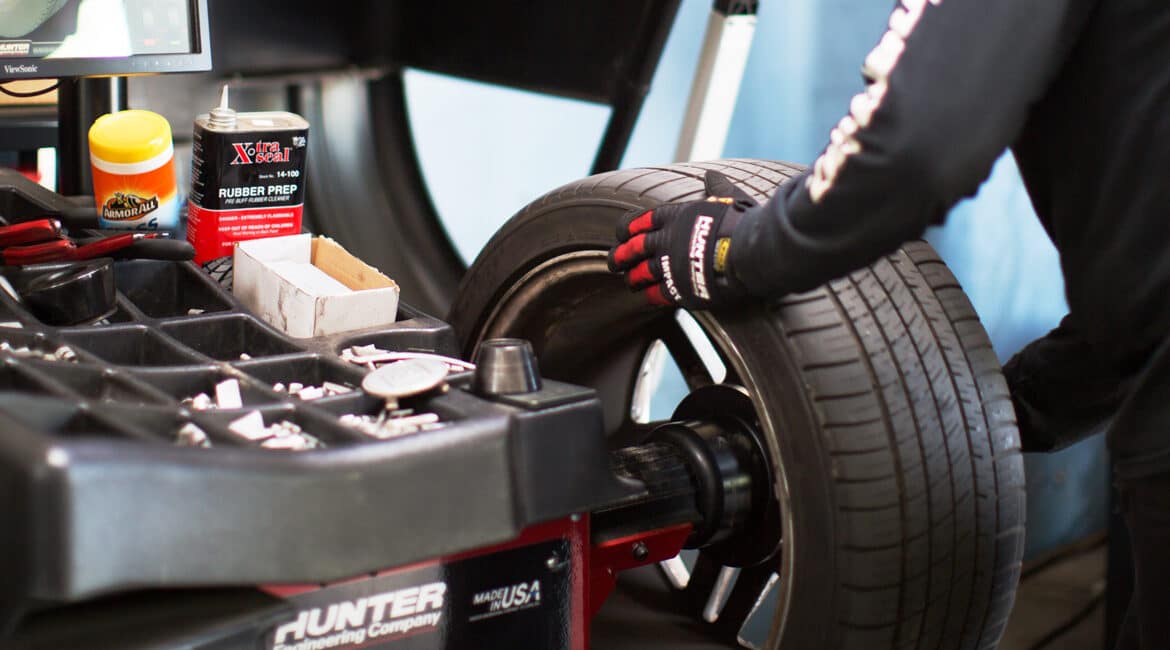
Proper vehicle maintenance is essential for safe driving, fuel efficiency, and prolonging the life of your tires. Two of the most commonly confused services at auto shops are tire balancing and wheel alignment. While they both relate to your tires and wheels, they serve different purposes. Understanding the difference can help Suffolk County drivers make informed decisions, avoid premature tire wear, and enjoy a smoother, safer ride.
What Is Tire Balancing?
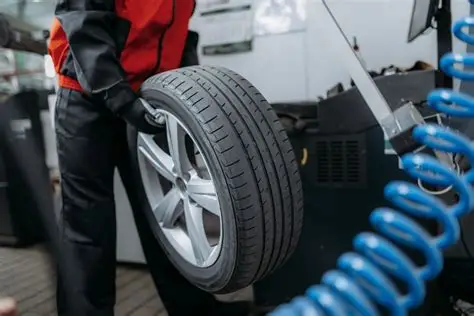
Tire balancing ensures that your tires and wheels rotate evenly. Every tire has slight imperfections in weight distribution, and an unbalanced tire can cause vibrations at higher speeds. During a balancing service, small weights are attached to the wheel to counteract any uneven distribution.
Signs you might need tire balancing include:
- Vibrations in the steering wheel, seat, or floorboard
- Uneven tire wear patterns
- Shaking at highway speeds
Proper tire balancing improves ride comfort, reduces wear on suspension components, and enhances overall vehicle handling. Most mechanics recommend having your tires balanced whenever you rotate or replace them.
What Is Wheel Alignment?
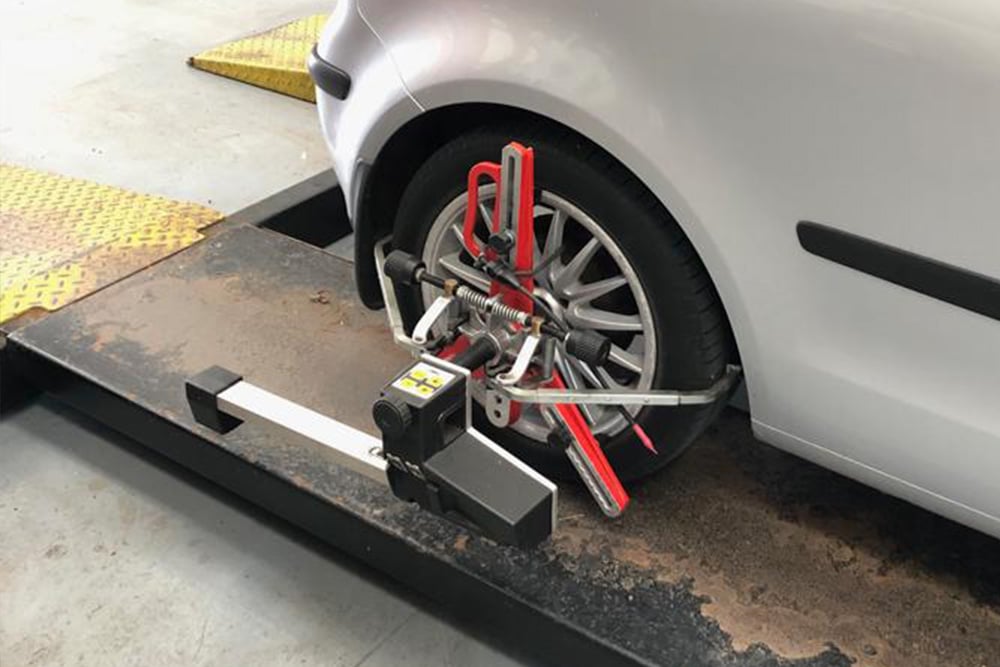
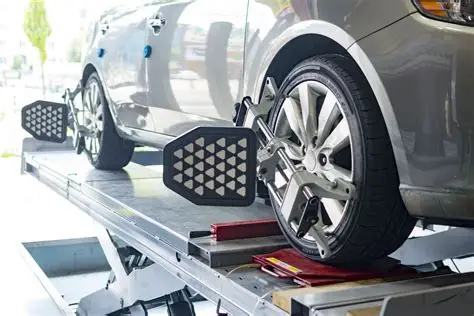
Wheel alignment, also known as tire alignment, adjusts the angles of your wheels so they meet manufacturer specifications. The main angles corrected during alignment are camber, toe, and caster. Proper alignment ensures that your tires make even contact with the road surface, which maximizes tire life and improves handling.
Common signs your vehicle may need an alignment:
- Car pulling to one side while driving
- Uneven tire wear
- Steering wheel off-center
- Poor handling or drifting
Misalignment can occur gradually due to normal driving or suddenly after hitting a pothole, curb, or other road hazards common in Suffolk County streets. Regular alignment checks prevent uneven tire wear and improve fuel efficiency.
Key Differences Between Tire Balancing and Wheel Alignment
While both services affect your tires, the differences are important:
| Aspect | Tire Balancing | Wheel Alignment |
|---|---|---|
| Purpose | Eliminates vibrations caused by uneven tire weight | Corrects wheel angles for proper road contact |
| When Needed | After tire installation, rotation, or noticeable vibration | When vehicle pulls, tires wear unevenly, or after suspension repairs |
| Tools Used | Balancer machine, wheel weights | Alignment rack, computerized measuring system |
| Outcome | Smooth ride and longer-lasting tires | Proper handling, improved fuel efficiency, and even tire wear |
Understanding these differences helps drivers avoid unnecessary services and ensures that your tires and suspension system remain in top condition.
Why Both Are Important for Suffolk County Drivers
Suffolk County roads vary from smooth highways to rough suburban streets. Potholes, uneven surfaces, and curbs can impact both wheel alignment and tire balance. Maintaining both ensures:
- Improved safety: Properly aligned and balanced tires increase vehicle control and reduce the risk of accidents.
- Extended tire life: Reduces premature wear and tear, saving money in the long run.
- Better fuel efficiency: Misaligned or unbalanced tires force your engine to work harder.
- Enhanced comfort: A smoother ride means less vibration and strain while driving.
Many drivers mistakenly assume that tire balancing alone will fix all ride issues, or that alignment is only necessary occasionally. In reality, routine maintenance of both is key to vehicle longevity.
How Often Should You Check Tire Balance and Alignment?
- Tire Balancing: Typically recommended every 5,000–6,000 miles or whenever you rotate tires. Vibration symptoms should prompt immediate attention.
- Wheel Alignment: Usually recommended once a year or after hitting a curb, pothole, or after suspension repairs. Signs like uneven tire wear or pulling to one side indicate it’s time for a check.
Consulting with a trusted Suffolk County auto shop ensures your vehicle is properly maintained and helps avoid costly repairs in the future.
Tips for Suffolk County Drivers
- Rotate tires regularly – Rotating your tires helps maintain balance and even wear.
- Inspect tires frequently – Look for uneven wear, bulges, or vibration signs.
- Schedule routine maintenance – Include both balancing and alignment checks during tire service visits.
- Drive cautiously on rough roads – Avoid hitting potholes and curbs when possible to reduce alignment issues.
- Use a reputable local shop – Suffolk County has certified technicians with proper tools for precise balancing and alignment.
Safe & Efficient Driving with Tire Balancing and Alignment
Tire balancing and wheel alignment are essential services that keep your vehicle safe, efficient, and comfortable to drive. While they address different aspects of tire and wheel performance, both are critical for Suffolk County drivers who navigate a mix of highways, suburban roads, and occasional rough patches. By understanding the differences and maintaining a routine service schedule, you can maximize tire life, improve handling, and enjoy a smoother, safer ride.
