

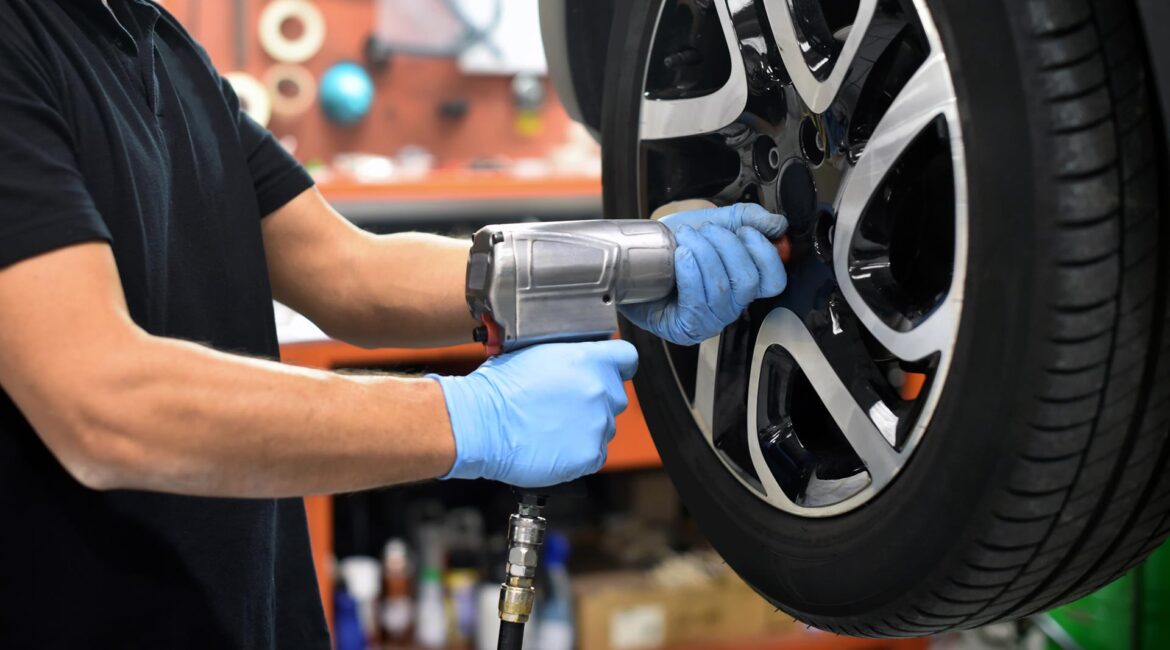
Driving on Long Island comes with unique challenges. From congested highways like the Long Island Expressway to winding local roads and frequent seasonal weather changes, keeping vehicles in optimal condition is critical. Among all vehicle maintenance tasks, tire care is one of the most overlooked yet essential practices. Proper tire maintenance not only ensures safety but also significantly reduces long-term costs for drivers. Regular tire inspections, rotations, balancing, alignment checks, and maintaining the correct air pressure can save Long Island drivers substantial amounts of money while prolonging tire life and improving vehicle performance. This essay explores the key reasons why routine tire maintenance is a smart financial decision for drivers on Long Island.
The High Cost of Neglected Tires
Tires are one of the most crucial components of any vehicle. They provide traction, absorb shocks, and directly impact fuel efficiency. Neglecting tire maintenance can result in several expensive consequences. Worn-out or improperly inflated tires lead to uneven tread wear, which can necessitate premature tire replacement. On Long Island, where traffic congestion is common and stop-and-go driving frequent, tires wear out faster than in less dense areas. A single set of replacement tires can cost anywhere from $400 to $1,200 depending on the vehicle type and tire quality. By investing in routine tire maintenance, drivers can significantly extend the lifespan of their tires and avoid the costly expense of early replacements.
Moreover, neglected tires can affect other vehicle components. Misaligned or unbalanced tires place undue stress on suspension systems, wheel bearings, and shock absorbers. These additional repairs can easily run into hundreds or even thousands of dollars, far exceeding the minimal cost of routine tire checks and adjustments. From a financial standpoint, preventative tire care is far more cost-effective than dealing with extensive vehicle repairs caused by neglect.

Fuel Efficiency and Cost Savings
One of the most immediate ways regular tire maintenance saves money is through improved fuel efficiency. Underinflated tires increase rolling resistance, which forces the engine to work harder and consume more fuel. According to the U.S. Department of Energy, properly inflated tires can improve gas mileage by up to 3%. For Long Island drivers, who often commute long distances to New York City or navigate stop-and-go traffic on local roads, this can translate to significant annual savings at the pump.
For example, consider a driver who spends $2,500 per year on fuel. A 3% improvement in fuel efficiency saves roughly $75 annually just from maintaining correct tire pressure. While this may seem modest, over several years and across multiple vehicles, the savings become substantial. Combined with the extended life of well-maintained tires, these efficiency gains can quickly offset the relatively low cost of routine maintenance services.
Extending Tire Lifespan
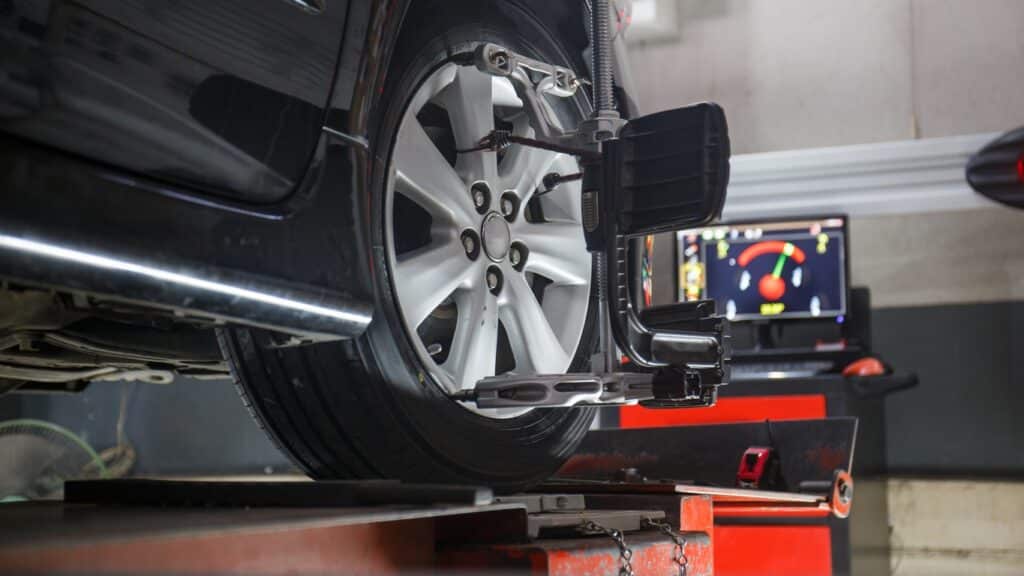
Tire replacement is a significant expense, and premature replacement is often preventable with proper care. Regular maintenance practices such as rotation, balancing, and alignment help ensure even tread wear. Tires that are rotated every 5,000 to 7,000 miles, as recommended by most manufacturers, wear more evenly, reducing the risk of bald spots or uneven tread. Balanced tires prevent vibrations and reduce wear on suspension components, while proper alignment ensures that tires wear consistently and maintain maximum contact with the road.
For Long Island drivers, where roads may have potholes, uneven surfaces, and seasonal salt damage during winter months, maintaining tire integrity is crucial. Proper tire care can extend tire lifespan by 10,000 to 20,000 miles, which in many cases postpones the need for a full replacement by several years. This not only saves money directly on tires but also indirectly by avoiding labor costs associated with frequent tire changes.
Preventing Costly Accidents and Repairs
Safety is another critical factor linking tire maintenance to financial savings. Worn or improperly maintained tires are a leading cause of vehicle accidents. Reduced traction increases stopping distances, especially in wet or icy conditions common on Long Island. A tire blowout at highway speeds can result in catastrophic accidents, leading not only to costly vehicle repairs but also potential medical bills and increased insurance premiums.
By investing in regular tire inspections, drivers can detect issues such as cracks, bulges, uneven tread, and punctures before they escalate into dangerous situations. Fixing minor tire issues is far less expensive than paying for emergency replacements, towing services, or accident-related costs. Furthermore, insurance companies may offer lower premiums to drivers who demonstrate responsible vehicle maintenance, including regular tire care, creating an additional financial incentive.
Seasonal Considerations for Long Island Drivers
Long Island experiences a wide range of weather conditions, from hot summers to cold, snowy winters. Seasonal tire maintenance is particularly important in this region. For example, switching to winter tires and ensuring all tires are properly inflated and balanced before the first snowfall can prevent accidents and reduce tire wear during harsh conditions. Conversely, inspecting tires after winter ensures that road salt, ice, and potholes haven’t caused damage that could shorten tire lifespan.
Ignoring seasonal maintenance can lead to uneven wear or premature failure, which ultimately results in higher costs. Drivers who adhere to seasonal tire care schedules enjoy safer rides and avoid unexpected expenses caused by weather-related tire damage.
Long-Term Investment in Vehicle Performance
Beyond immediate cost savings, regular tire maintenance contributes to long-term vehicle performance. Well-maintained tires improve handling, braking, and overall ride comfort. Smooth operation reduces wear and tear on other vehicle components, including brakes, suspension, and steering systems. By keeping tires in optimal condition, drivers avoid unnecessary repairs, preserve resale value, and enjoy a smoother driving experience.
For Long Island drivers, where daily commuting, errands, and weekend trips are common, maintaining tires ensures that vehicles remain reliable and fuel-efficient for years. This long-term perspective demonstrates that tire maintenance is not just a safety measure but also a strategic financial decision.
Affordable and Accessible Maintenance Options
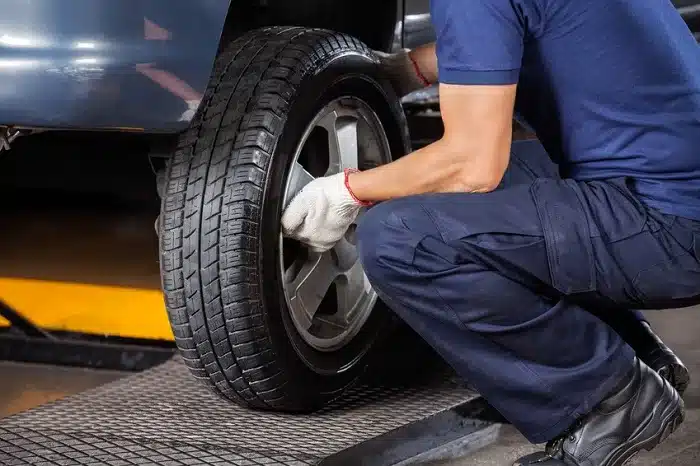
Routine tire maintenance is relatively inexpensive and widely available. Many Long Island auto shops, tire centers, and dealerships offer affordable services such as tire rotation, balancing, alignment, and pressure checks. Even a small investment of $50–$100 annually in tire maintenance can prevent much larger costs down the road. In addition, many service centers provide package deals or maintenance plans that make regular care convenient and cost-effective.
Furthermore, drivers can take simple steps at home, such as checking tire pressure monthly and inspecting tread depth, to complement professional maintenance. These small habits reduce the likelihood of costly issues and empower drivers to take control of their vehicle’s longevity.
Conclusion
Regular tire maintenance is one of the most cost-effective strategies Long Island drivers can implement to save money, protect their vehicles, and ensure safety. By preventing uneven wear, improving fuel efficiency, extending tire lifespan, and reducing the risk of accidents, proper tire care offers immediate and long-term financial benefits. Seasonal inspections, rotations, balancing, and alignment checks are modest investments compared to the potential costs of premature tire replacement, vehicle repairs, fuel inefficiency, and accident-related expenses.
In a region like Long Island, with its unique traffic patterns, road conditions, and seasonal weather, neglecting tire maintenance is a risk that drivers cannot afford. By prioritizing routine tire care, Long Island drivers not only safeguard their finances but also enhance the safety, reliability, and performance of their vehicles. Ultimately, a small commitment to tire maintenance today can yield significant savings and peace of mind for years to come.
