

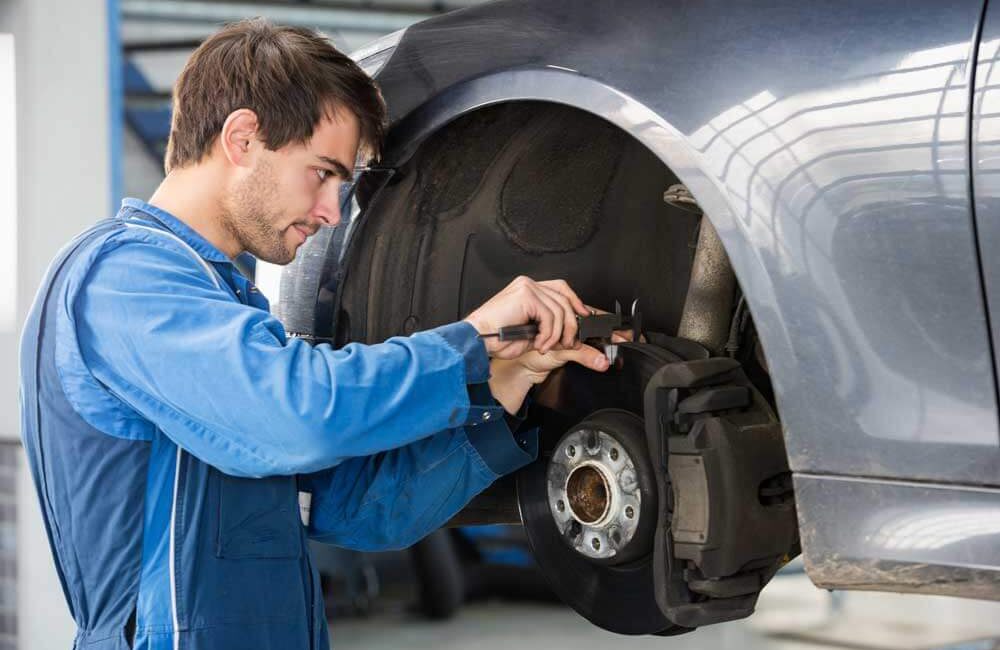
Driving safely on Long Island roads means keeping a close eye on your brakes. Whether you’re cruising the scenic North Fork or navigating busy Suffolk County traffic, worn brakes can turn a routine drive into a dangerous situation. Spotting the signs early helps you avoid bigger problems and keeps your family safe.
In this guide, we’ll break down the key warning signs that your car needs brake repair, what causes brake issues, and how to handle them right away. We’ll focus on what matters to drivers in Suffolk County, Nassau, and beyond. At the end, learn how MB Automotive can get you back on the road with confidence.
Why Brakes Matter More Than You Think
Your brakes are the most critical safety feature on your car. They stop your vehicle by converting kinetic energy into heat through friction. When everything works right, you barely notice them. But when they’re failing, the risks skyrocket.
In Suffolk County, where roads mix highways like the LIE, local streets, and rural routes, good brakes handle everything from sudden stops in traffic to wet conditions near the shore. Reliable brakes don’t just prevent accidents they save lives. According to safety experts, brake problems contribute to nearly 30% of car accidents caused by mechanical failure. Don’t wait for trouble; know the signs.
Sign #1: High-Pitched Squealing or Screeching Noises
One of the earliest and clearest signs your brakes need attention is unusual noise. If you hear a high-pitched squeal when pressing the brake pedal, especially at low speeds, it’s often the brake pads wearing thin.
Modern brake pads have built-in metal wear indicators. These tabs scrape against the rotor when the pad gets too thin, creating that annoying screech. It’s your car’s way of saying, “Check me soon.”
Ignore it, and the pads grind down further, damaging the rotors. In Suffolk County humidity and salty winter roads, this wear happens faster. Get it checked during your next oil change or drive brake repair at this stage is usually quick and affordable.
Sign #2: Grinding or Growling Sounds
If squealing turns into a deep grinding or growling noise, you’re past the warning phase. Metal is rubbing metal the brake pad has worn completely, and the backing plate is scraping the rotor.
This causes serious damage fast. Rotors can warp or score deeply, leading to vibration and poor stopping power. Grinding means your stopping distance increases, which is dangerous on busy roads like Route 25 or Sunrise Highway.
The fix? New pads and likely rotor resurfacing or replacement. Acting now prevents a full brake overhaul later. Suffolk County drivers know: delays in repair lead to towing bills and unsafe driving.
Sign #3: Vibrating or Pulsing Brake Pedal
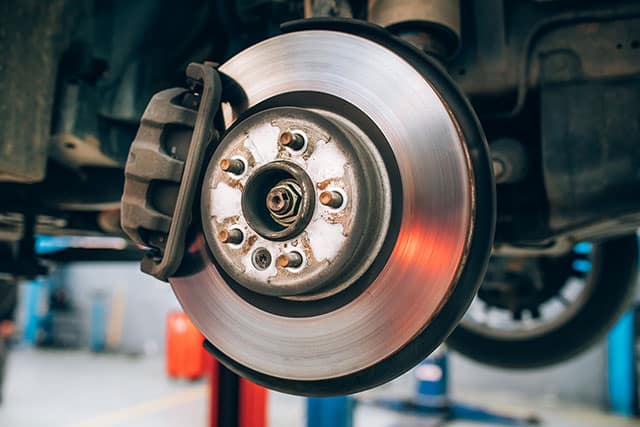
Feel a pulsing or shaking sensation in the brake pedal when you slow down? That’s warped rotors. Heat from braking causes rotors to unevenly expand and contract, creating waves on the surface.
Your pedal vibrates as the caliper grabs these imperfections. It’s common after heavy braking, like on hilly South Shore roads or during stop-and-go Montauk traffic.
Warped rotors reduce braking efficiency and can overheat pads faster. A simple rotor inspection and resurfacing often solves it. If ignored, you’ll need new rotors entirely. MB Automotive sees this a lot in local vehicles early detection keeps costs down.
Sign #4: Pulling to One Side When Braking
Does your car veer left or right when you hit the brakes? This pulling indicates uneven braking force, often from a stuck caliper, contaminated pad, or collapsed brake hose.
One side brakes harder than the other, throwing off control. It’s scary in Suffolk County merges or roundabouts. Collapsed hoses restrict fluid flow, mimicking a soft pedal too.
A full brake inspection reveals the culprit. Common fixes include caliper rebuilds or fluid flushes. Don’t drive far uneven brakes double accident risk.
Sign #5: Soft, Spongy, or Sinking Brake Pedal
A brake pedal that feels mushy, sinks too low, or needs pumping to stop points to hydraulic issues. Air in the brake lines, low fluid, or a failing master cylinder compresses instead of building pressure.
In wet Suffolk winters, moisture contaminates brake fluid, leading to corrosion. Check your reservoir if fluid is dark or low, it’s time for service. A spongy pedal means longer stopping distances, critical on icy roads like those in Riverhead or Patchogue.
Bleeding the system or replacing components restores firm response. Regular flushes every two years prevent this.
Sign #6: Burning Smell After Braking
Smell something like burnt carpet or rubber after hard stops? Overheated brakes generate friction heat that scorches pads. Glazed pads or stuck calipers trap heat, worsening it.
Hills in Suffolk County, like near Fire Island ferries or the Hamptons, accelerate this. Pull over immediately continued driving risks brake fade, where they temporarily fail.
Cooling down and inspection fix minor cases. Severe overheating warps rotors or cracks drums. Professional diagnosis ensures safe repair.
Sign #7: Brake Warning Light On
That dashboard brake light isn’t just for low fluid. Modern cars monitor pad wear, ABS function, and pressure. If it lights up, don’t ignore it modern sensors detect issues early.
Scan the code for specifics. In Nassau and Suffolk repair shops, techs use OBD tools for quick reads. Fluid leaks, worn sensors, or ABS faults trigger it. Address promptly to avoid tickets or failures during NY state inspections.
Sign #8: Longer Stopping Distances
The most dangerous sign: your car takes longer to stop. Test in a safe spot brake from 30 mph and note distance. If it’s more than usual, pads, rotors, or fluid are compromised.
Worn components reduce friction. Tires factor in, but brakes are primary. Suffolk County’s mix of speeds demands sharp response. Test often, especially pre-road trip.
Brake Components Explained: What Wears Out and Why
Understanding parts helps you maintain better.
- Pads: Friction material presses on rotors. Last 30,000–70,000 miles, less in stop-heavy driving.
- Rotors: Metal discs pads grip. Resurface once, replace after.
- Calipers: Squeeze pads. Pistons stick from dirt or age.
- Brake Fluid: Transfers force. Absorbs water, boils under heat. Flush regularly.
- Drums/Shoes: Rear brakes on some cars. Similar wear patterns.
- Lines/Hoses: Carry fluid. Crack over time.
Suffolk salt air rusts parts faster. Annual inspections catch wear early.
DIY Checks You Can Do Today
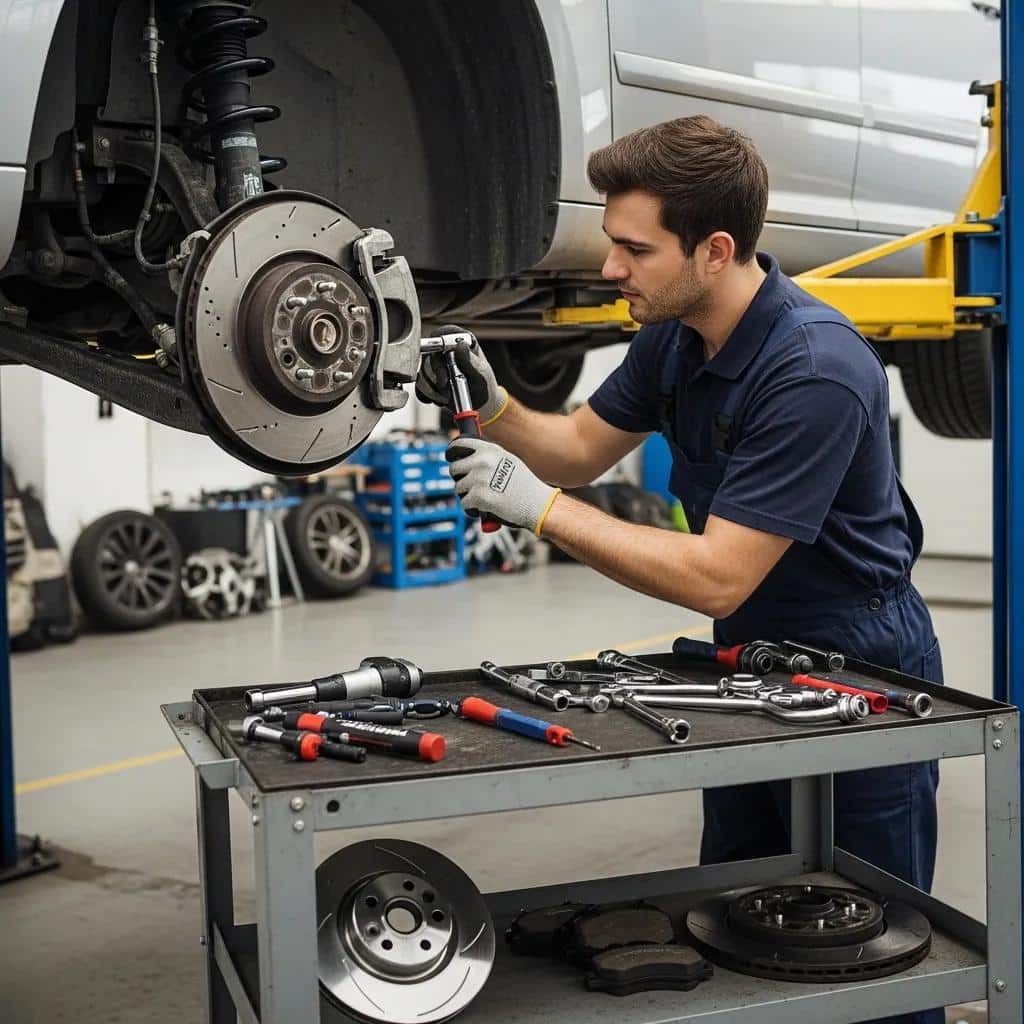
Spot signs? Perform safe self-checks:
- Visual Inspection: Jack up wheels (safely), check pad thickness through caliper. Less than 1/4 inch? Replace. Look for uneven rotor shine.
- Pedal Test: Engine off, pump pedal. Firm and high? Good. Sinks? Problem.
- Fluid Check: Reservoir under hood. Clear golden? Okay. Dark/brown? Flush needed.
- Tire Check: Uneven wear signals pulling brakes.
- Listen While Driving: Safe speeds, note noises.
No garage? Many shops offer free inspections. Better safe than stranded.
When to Get Brake Repair in Suffolk County
Prioritize: grinding, lights, or pulling mean stop driving. Squealing? Schedule soon. NYC-area traffic demands action.
NY requires annual inspections. Failing brakes mean no pass. Factor weather rainy Suffolk springs slick roads. Budget $300–$800 for pads/rotors per axle. Shops like MB use OEM or better parts.
Prevention Tips for Long Island Drivers
Keep brakes lasting longer:
- Gentle stops, avoid riding pedal.
- Flush fluid every 2 years/30k miles.
- Inspect yearly, especially post-winter.
- Match pads to driving (performance vs. daily).
- Avoid cheap parts fail faster.
Why Choose MB Automotive for Brake Repair in Nassau and Suffolk
At MB Automotive, we specialize in auto repair across Nassau and Suffolk Counties. From Smithtown shops to Massapequa locations, our certified techs handle all makes/models with genuine parts.
Drivers trust us for:
- Free brake inspections
- Same-day service when possible
- Transparent pricing, no surprises
- 2-year/24k mile warranty
- Towing partnerships for Suffolk roads
Spot brake signs? Call MB Automotive today for fast, reliable brake repair. Safe travels on Long Island!
