
June 3, 2026
10 Car Battery Failing Signs You Should Never Ignore
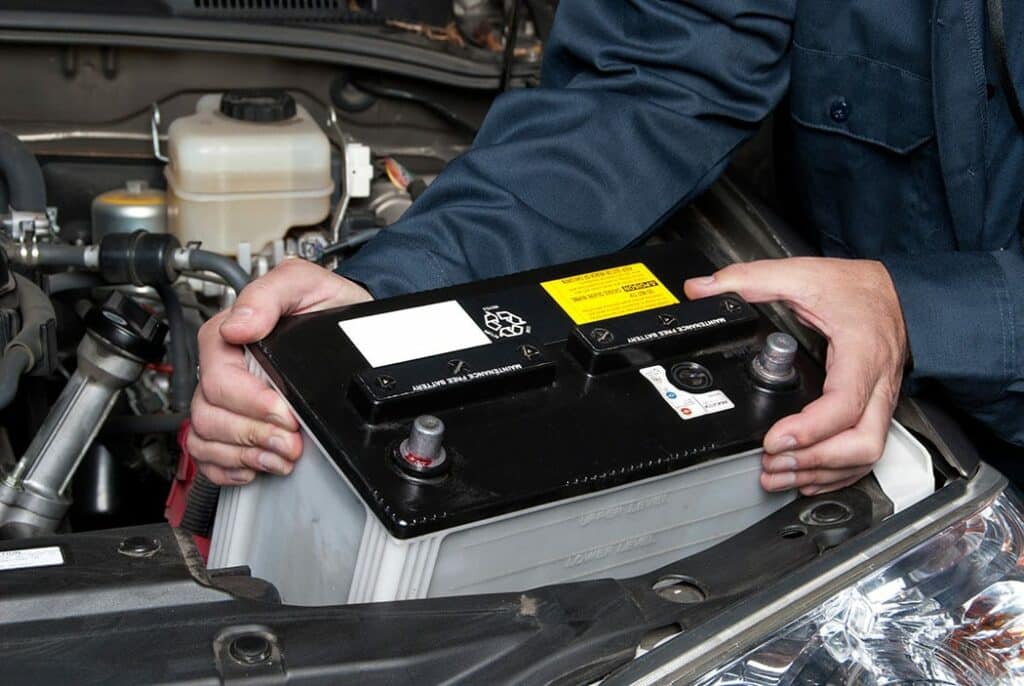
Most drivers only think about their car battery when it stops working completely. And this usually happens at the worst possible moment. But car battery failing signs often show up long before it dies. The challenge is recognizing them early enough to avoid getting stranded in the middle of the highway.
If you are asking how to know whether your car’s battery is failing or needs replacement, the answer is usually in a combination of small but consistent symptoms. One sign alone may not mean much. But several together usually mean the battery is on its way out.
This guide breaks down the most common signs your battery is going to fail so you can spot problems early and act before the car refuses to start.
The 10 Most Common Car Battery Failing Signs
It’s easy to know that your battery will die out soon as long as you know what to pay attention to.
1. Slow Engine Start
One of the earliest and most common car battery failing signs is a slow or delayed engine crank.
Instead of starting instantly, the engine turns over more slowly than usual. This happens because the battery is no longer delivering enough power to the starter motor.
If your car feels like it is struggling to start, the battery is often the first place to check.
2. Clicking Sound When Turning the Key
A rapid clicking noise when you try to start the car usually means the battery doesn’t have enough charge to engage the starter.
This sound is one of the most recognizable signs the battery will soon die out.
It often gets worse over time until your car no longer starts at all.
3. Dashboard Warning Light
Most modern cars include a battery warning light on the dashboard.
If this light appears while driving or stays on after starting the engine, it may signal:
- Weak battery
- Charging system issue
- Alternator problem
It’s a clear signal that something in the electrical system needs your attention.
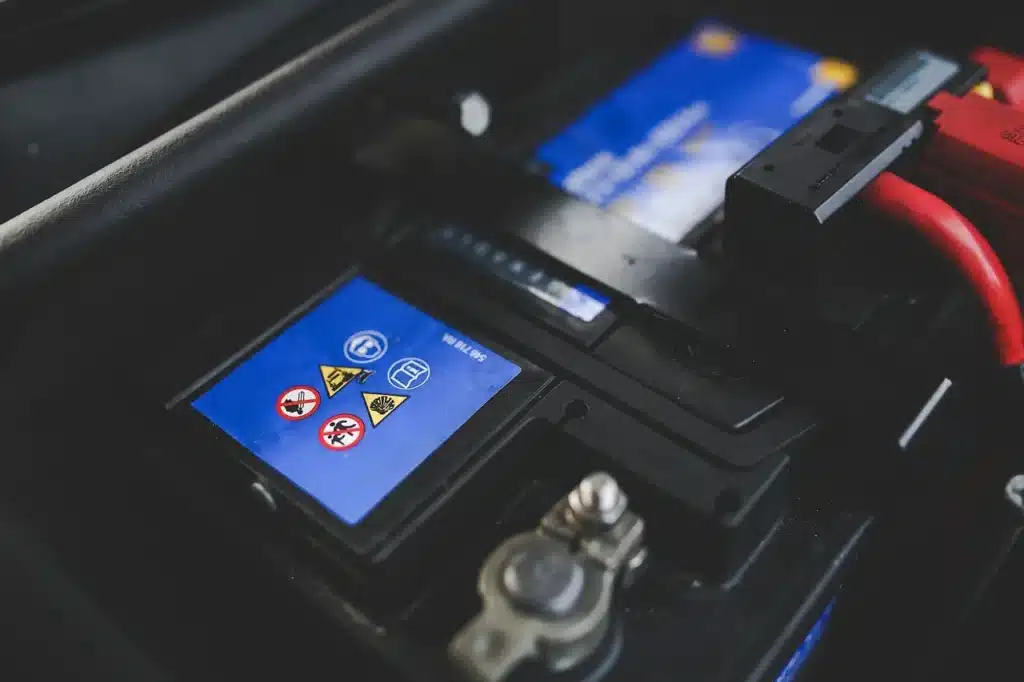
4. Dimming Headlights and Interior Lights
A failing battery struggles to maintain consistent voltage.
This usually shows up as:
- Dim headlights when idling
- Flickering interior lights
- Reduced brightness when electrical systems are in use
If your lights brighten when you accelerate, the battery or alternator may be having a hard time.
5. Electrical Accessories Acting Strangely
Modern cars rely heavily on electronics.
When the battery starts failing, you may notice problems like:
- Slow power windows
- Unresponsive infotainment system
- Malfunctioning central locking
- Random resets of digital displays
6. Corrosion Around Battery Terminals
White, blue or greenish buildup around the battery terminals is a sign of corrosion. It can interrupt the flow of electricity and reduce battery performance.
While corrosion alone doesn’t always mean the battery is failing, it often contributes to starting problems and should not be ignored.
7. Frequent Jump Starts Required
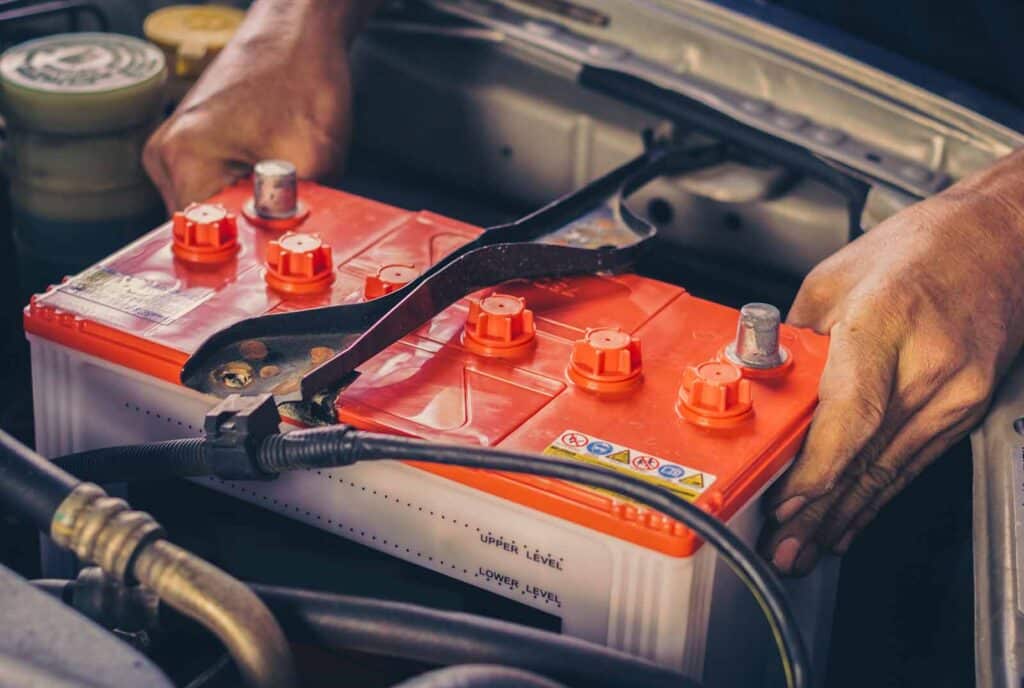
If you find yourself needing a jump start more than once in a short period, the battery is likely no longer holding charge properly.
A healthy battery shouldn’t require repeated external assistance. Frequent jump starts are one of the strongest car battery failing signs.
8. Swollen or Bloated Battery Case
Heat and overcharging can cause a battery casing to swell. And a physically deformed battery is a serious warning sign.
This usually means that the battery has been damaged internally and you will need to replace it.
9. Strange Heavy Smell from the Engine Bay
A leaking or damaged battery will produce a sulphur-like smell similar to rotten eggs. The cause is usually acid leakage or internal failure.
If you notice this smell, replace the battery immediately. Otherwise, you risk severe physical hazards due to toxic gas exposure or disastrous damage to your car’s electrical system.
10. Battery Age Over Three to Five Years
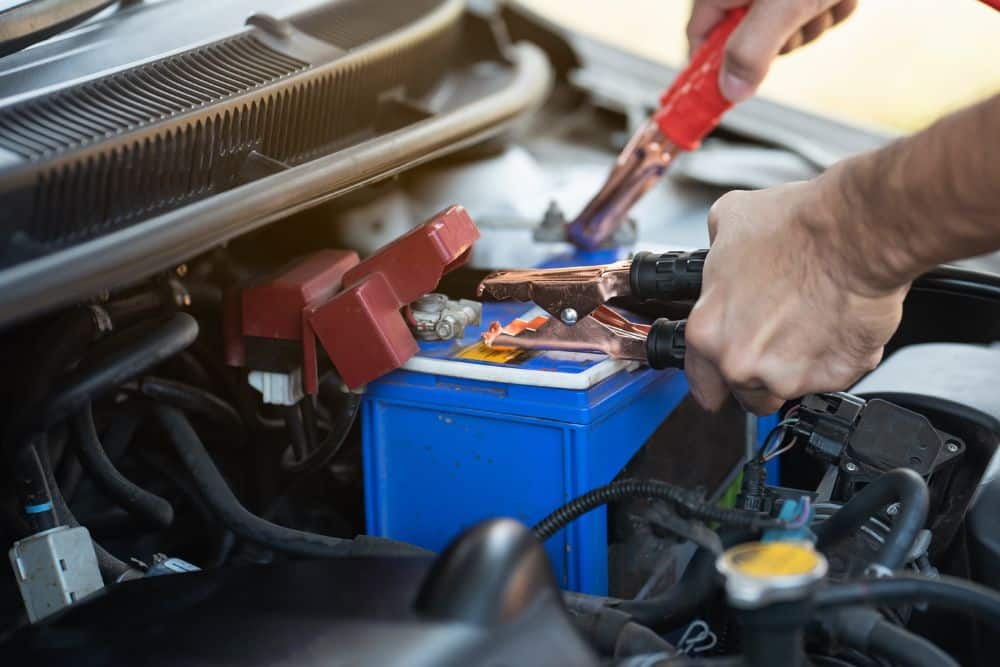
Even if there aren’t any obvious symptoms, age could give you an idea of when the battery will die.
Most car batteries last between three and five years depending on climate and usage. If your battery is within or beyond this range, it is more likely to fail without warning.
So, How Do I Know If My Car’s Battery Is Failing or Needs Replacement?
The answer is rarely direct because it depends on a number of symptoms.
It is usually a combination of:
- Slow starts
- Electrical inconsistencies
- Warning lights
- Reduced performance
- Physical changes to the battery
When multiple car battery failing signs appear at the same time, replacement is usually the safest option.
If you wait too long, you increase the risk of sudden failure at the most inconvenient time.
Stay Ahead of Car Battery Failure with MB Automotive
A failing car battery rarely stops working without at least one warning. It signals trouble through subtle changes in performance, sound and electrical behaviour. So recognising these early signs gives you time to replace the battery before it leaves you stranded.
At MB Automotive, we help drivers identify battery issues before they become costly breakdowns. Our team uses professional diagnostic equipment to test battery health, inspect charging systems and recommend the right solution based on your car’s needs.
Schedule a battery inspection today and enjoy the peace of mind that comes from knowing your car is ready for every journey ahead.