
June 10, 2026
Understanding the Key Factors That Affect Auto Repair Costs Long Island Drivers Pay
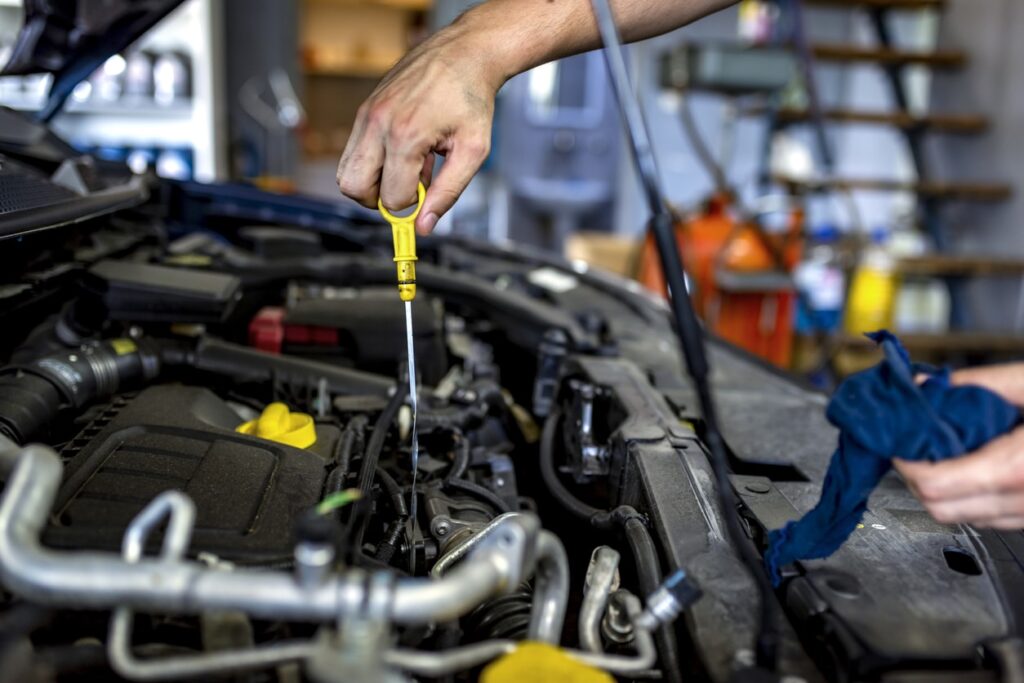
People are rarely interested in how much auto repairs cost before something happens to their car. Auto repair costs Long Island drivers pay depend on multiple factors including labor pricing, geography, car complexity, parts strategy and the reality of how driving across Long Island roads wears down the car much faster.
What may look like a simple repair, often turns into a complex process with different decisions about parts which all depend on how the car has been used over time and will in the future. This guide breaks it all down how geography and driving conditions all influence what you end up paying.
Labor Impacts Auto Repair Costs Long Island Drivers Pay
Labor is the main factor behind auto repair costs Long Island drivers pay.
On Long Island, garages operate in a high-cost environment while rent is expensive. Skilled technicians are in demand and service centres compete with New York City pricing expectations without having Manhattan foot traffic.
So even a simple job carries a higher hourly baseline than many drivers expect.
Even a break repair job in Long Island that seems simple to the naked eye, charges a premium price because it involves a long list of steps. The car has to be lifted, inspected, disassembled, cleaned, reassembled and tested. And if rust is involved, the entire process slows down, taking more hours to complete the one simple break job.
A driver from Nassau County might hear grinding brakes on a Monday morning commute and they assume pads only. The repair shop finds worn rotors and uneven wear from stop-start traffic near congested routes. Suddenly, it takes a couple of days to get to the final outcome.
Even so, labor costs aren’t the same at all auto repair shops:
- Independent shops typically offer lower hourly rates
- Dealerships usually charge more but provide OEM-trained technicians
- High demand periods increase scheduling pressure and perceived cost
If you’ve ever asked “why is this so high” when your car has needed a repair, it’s because of labor costs.
Different Types of the Same Parts Impact Price
Two quotes can look very different for the same repair because drivers can choose between OEM (original equipment manufacturer) and aftermarket parts. That choice alone can significantly change the total cost.
A driver in Suffolk County might come in for a suspension noise after hitting repeated potholes during winter. One shop recommends OEM control arms and another suggests aftermarket equivalents. Both are technically valid, but durability and price will be different.
Whether the parts are already available can impact the final cost too. European and luxury cars often require specialized parts that aren’t pre-ready.
If the repair shop has to source and urgency order your parts, know that this circumstance impacts labor costs too:
- OEM parts match manufacturer standards but cost more
- Aftermarket parts reduce upfront cost but vary in quality
- Rare or imported parts increase wait time and labor overlap
Diagnostics in Long Island
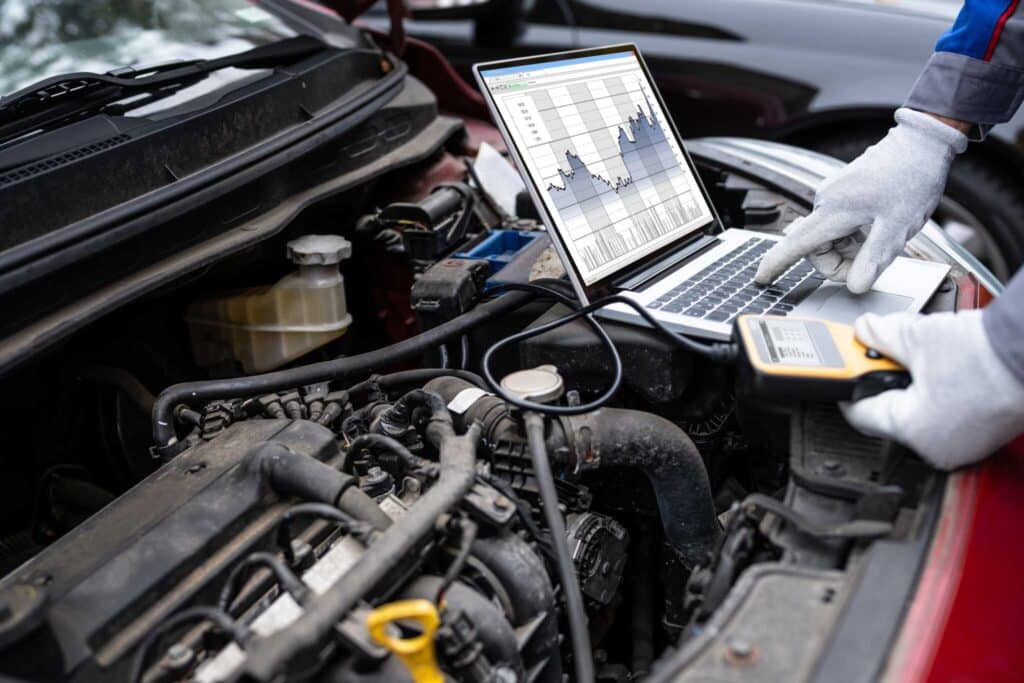
Diagnostics explain what is wrong with a car before any repair starts. A check engine light doesn’t point to one issue but signals that something in the system isn’t working correctly.
On Long Island, diagnostic fees are standard because technicians use scanning tools and spend time tracing the fault before replacing parts.
When a driver from Long Beach reports stalling during traffic but basic scans show no clear fault, the technician must run deeper tests so they’re able to find the sensor issue that only fails under heat.
Diagnostics may seem just like scanning, but they include manual checks and deeper system testing because:
- Basic scans read error codes
- Advanced diagnostics find hidden or intermittent faults
- Electrical issues often cost more in labor than parts
Diagnostics may feel like a failed investment because when technicians fix the system, it’s not visible. When in fact, it’s the best maintenance tool because it identifies a cause before any repairs are needed.
Long Island Driving Conditions Increase Costs
Driving conditions on Long Island directly affect repair frequency and cost. Stop-start traffic, highway congestion and winter road salt all increase wear on cars.
A driver commuting daily between suburban areas and city routes like the Long Island Expressway (I-495), Northern State Parkway, Southern State Parkway, Sunrise Highway (NY-27) and Hempstead Turnpike will replace brakes more often than someone driving mostly on open roads. These routes involve constant stop-start traffic, heavy merging and long congestion peaks.
Winter salt also speeds up corrosion, particularly on braking components and suspension parts exposed during repeated highway driving and short local trips.
- Salt increases corrosion on brakes and suspension
- Stop-start traffic increases brake wear
- Short trips prevent full engine operating temperature
Your car won’t fail suddenly due to these conditions but it will gradually wear down.
Car Type and Repair Complexity
Repair cost depends heavily on the type of car. Simple cars are easier and faster to repair. Complex cars take more time and tools.
A compact sedan usually has straightforward access to parts while a luxury SUV or European car often requires more labor because components are harder to reach and systems are more advanced.
- Complex cars require specialised diagnostic tools
- Engine layout affects access and repair time
- Hybrid and turbo systems increase labor complexity
This is why similar repairs can have very different costs.
Dealerships vs Independent Shops
Dealerships usually charge higher labor rates but have brand-specific tools and trained technicians. Independent shops usually cost less per hour and offer more flexibility.
A driver with a newer car under warranty in Nassau County may use a dealership for accuracy and coverage. A driver with an older car in Suffolk County may choose an independent shop to reduce cost.
When a warning light appears on a new car, a dealership may identify a software fault quickly using manufacturer systems, while an independent shop may reach the same result but take longer in diagnosis.
- Dealerships focus on specific brands and systems
- Independent shops offer lower labor cost options
- Warranty status often decides the best choice
Seasonal Wear
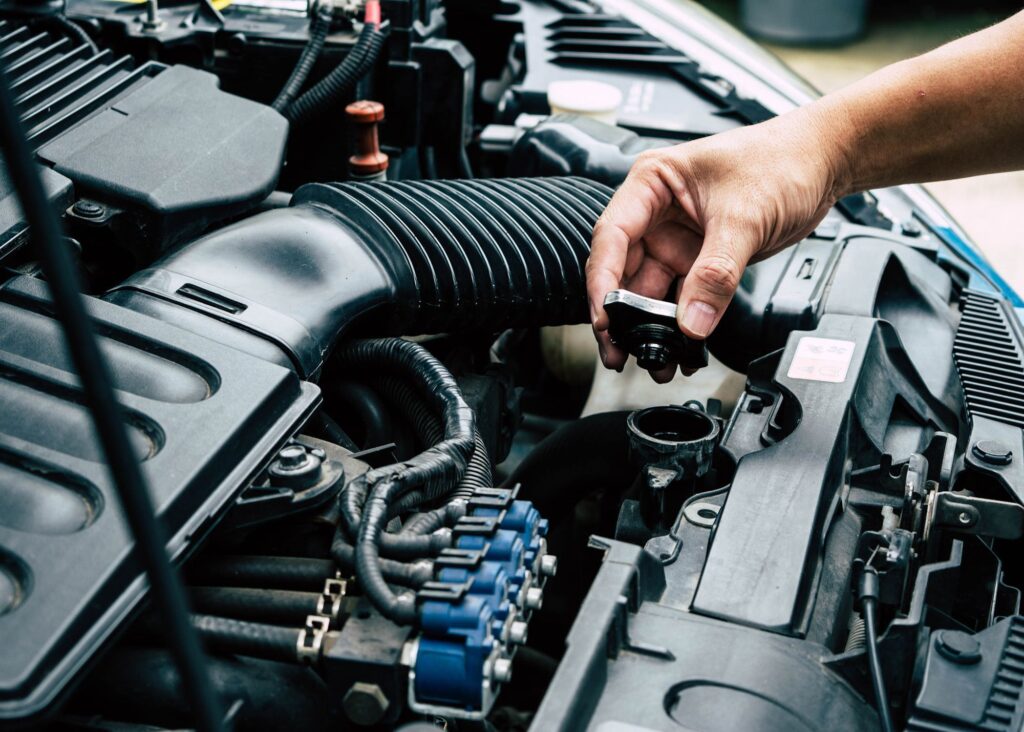
Weather conditions on Long Island affect how often repairs are needed. Winter brings salt and potholes. Summer brings heat stress and air conditioning strain.
A driver may notice brake noise in winter, suspension issues in spring and AC failure in summer. These are connected to seasonal wear, not separate random problems.
- Winter salt increases rust and brake wear
- Potholes damage suspension and alignment
- Heat increases AC and cooling system strain
Car wear follows seasonal patterns so it’s smart to check your car when seasons change for maintenance.
Why Repair Costs Vary for the Same Issue
A single symptom doesn’t always equal a single repair.
A brake issue may require pads only, or pads and rotors. An engine warning light may involve a sensor or a wider electrical problem. A suspension noise may involve multiple worn parts.
Estimates can change after inspection because the first issue is rarely the full problem.
Ways Drivers Manage Repair Costs
There isn’t a fixed way to reduce repair costs, but some actions reduce unexpected expenses.
- Get a second opinion for large repairs
- Ask for a clear breakdown of labor and parts
- Fix small issues early before they grow
- Follow regular maintenance schedules
- Check if OEM parts are required or optional
You will be able to make an informed decision you’re comfortable with.
Commonly Asked Questions about Auto Repair Costs in Long Island
Why do auto repair costs in Long Island feel higher than other areas?
Labor rates, shop overheads and commuting-heavy driving conditions all increase baseline repair pricing. Constant stop-start traffic on routes like the Long Island Expressway (I-495), Northern State Parkway and Sunrise Highway (NY-27) also accelerates wear, which increases how often repairs are needed.
Are independent shops always cheaper?
No. Cost depends on repair type and car complexity. A simple brake job may be cheaper at an independent shop, but diagnostics or specialist repairs on modern or European cars can take similar time regardless of where the work is done.
Why do quotes vary between shops?
Different diagnostic approaches, labor time estimates and parts choices create variation. One shop may use OEM (original equipment manufacturer) parts while another offers aftermarket alternatives, which changes total cost even for the same repair.
Are diagnostic fees necessary?
Yes. They cover the technician’s time, scanning equipment and manual inspection needed to identify the fault before any repair begins.
Why do repairs sometimes cost more after inspection than the initial quote?
Because initial quotes are often based on visible symptoms, not full system condition. Once parts are disassembled, technicians may find problems that weren’t visible at first inspection.
Why do Long Island drivers need more brake and suspension repairs?
Heavy traffic on major routes like the Long Island Expressway, Meadowbrook State Parkway and Southern State Parkway increases stop-start driving. Combined with potholes and winter salt, this puts constant stress on brakes, tyres and suspension systems.
Does mileage fully explain repair needs on Long Island?
No, driving conditions matter as much as mileage. A lower-mileage car driven mostly in congestion can wear faster than a higher-mileage car driven on open highway routes.
Why are electrical issues more common in modern cars?
Modern cars rely heavily on sensors, control modules and wiring systems. Short-trip driving and moisture exposure from Long Island weather can increase the likelihood of sensor faults or intermittent electrical problems.
Can delaying small repairs increase total cost?
Yes. Small issues like brake wear, fluid leaks or warning lights can escalate into larger component failures if ignored.
Get an Estimate for Your Car Repairs with MB Automotive
Getting a clear estimate before any repair starts helps you understand what you’re paying for and why. At MB Automotive, we focus on straightforward communication and transparent pricing so there aren’t any surprises once work begins.
Every estimate is based on a proper inspection; the issue is diagnosed, the cause is identified and parts and labor are clearly separated.
You get a clear breakdown of what needs immediate attention and what can wait. This helps you make decisions based on urgency, not pressure.
If you are noticing warning lights, strange noises or performance changes, early assessment prevents small issues becoming larger repairs. Get a clear auto repair costs Long Island estimate with MB Automotive and understand your repair options before any work is carried out.