
June 17, 2026
5 Essential Steps to Take When Your Car Makes Strange Noises While Driving

A car making strange noises while driving is never something to ignore, especially in Long Island where stop-start traffic, highway congestion and seasonal weather already put extra stress on cars. Most drivers notice it at the worst possible time, usually during a commute on the Long Island Expressway or while navigating local roads with heavy traffic.
The problem isn’t just the noise itself but what the noise is trying to tell you about what is happening underneath the hood.
This guide breaks down what to do step by step, how to interpret common sounds and when to act before the issue becomes expensive.
Step 1: Understanding What The Car Noise Might Be Telling You
The first reaction to a car making strange noises while driving is usually confusion or denial. Most drivers hope it is nothing serious.
In Long Island, assuming the strange noises coming from your car is risky because road conditions and traffic patterns often turn small issues into larger repairs faster than expected.
Different noises usually point to different systems. A squeal often relates to brakes. A knocking sound can suggest suspension or engine issues. A humming noise at higher speeds often points to wheel bearings or tyre wear.
You could be commuting on Sunrise Highway or the Northern State Parkway, and might hear a light grinding sound when braking in traffic and assume it will go away.
A few days later, the sound becomes constant and inspection reveals worn brake pads that have started damaging the rotors.
This delay will rack up the bill.
When you first notice a strange noise from your car while you’re driving, focus on 3 things:
- When it happens (braking, accelerating, turning)
- Where it seems to come from (front, rear, left, right)
- Whether it changes with speed
Once you have at least a guess as an answer to all 3 questions, take the car to a repair shop if you want the final cost to be lower.
Step 2: Don’t Ignore a Car Making Strange Noises While Driving during Long Island Traffic Conditions
Ignoring the strange sounds your car is making while you’re driving is one of the most common ways minor issues become expensive repairs. Long Island driving conditions make any problem far worse because of constant braking, merging and uneven road surfaces.
If you continue driving without checking the issue, you risk turning a small component failure into a full system replacement.
If a driver on Long Island Expressway hears a clicking sound when turning, they might assume it is minor and continue commuting daily. After a week, the issue develops into a worn CV joint, which then affects handling and safety.
Common mistakes drivers make include:
- Turning up music to mask the sound
- Assuming it will disappear on its own
- Waiting until the next service appointment
Long Island roads like Hempstead Turnpike, Meadowbrook State Parkway and local patch roads in Suffolk County also contribute to faster wear due to potholes and stop-start traffic.
A small noise can easily worsen under repeated stress from daily commuting.
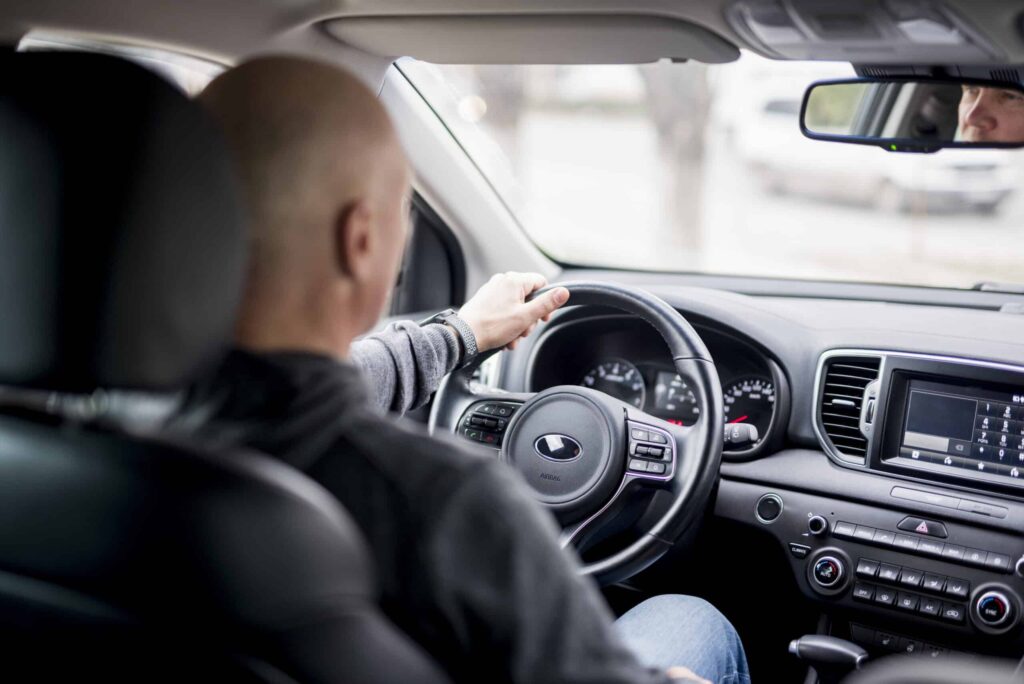
Step 3: Check Basic Visible Signs
Before assuming the worst, a simple visual check can help narrow down the problem. This doesn’t replace a mechanic inspection, but it helps you understand urgency.
If your car is making strange noises while driving and it’s safe for you to stop, check for obvious issues like tyre damage, fluid leaks or loose components.
A quick roadside check could easily reveal a partially loose wheel cover that had shifted during highway driving. In other cases, the issue is more serious, like uneven tyre wear from alignment problems caused by potholes on local roads.
Look for:
- Uneven or visibly damaged tyres
- Fluid spots under the car after parking
- Loose or hanging components near wheels
- Brake dust buildup or metal scraping signs
If anything looks unusual, don’t continue driving long distances. Local conditions can worsen damage quickly.
Step 4: Understand When a Car Making Strange Noises While Driving Needs Urgent Inspection
Not every noise requires immediate panic, but some do require fast action. When the strange noises change intensity, happen during braking, or affect steering, check it out quickly.
In Long Island, many drivers delay inspections due to commuting schedules. That delay often increases repair complexity.
Warning signs that need urgent attention:
- Grinding or metal-on-metal sounds
- Steering vibration with noise
- Loud clunking when going over bumps
- Noise that gets worse with speed
In these cases, continuing to drive on Long Island highways increases risk and cost.
Step 5: Get a Proper Diagnostic Check
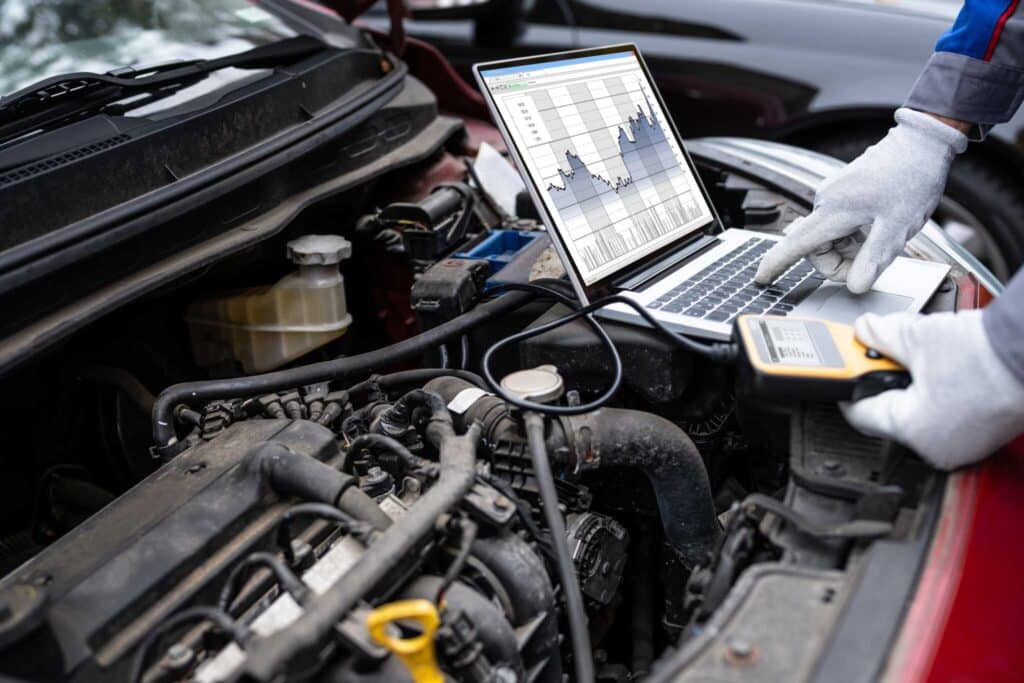
Once you notice the strange sound being consistent or worsening, the next step is a diagnostic inspection. A technician can identify the exact cause rather than guessing based on sound alone.
In Long Island, diagnostics are especially important because road conditions create overlapping wear patterns. A single noise can come from multiple sources, including brakes, suspension and tyres all at once.
If you were to hear a humming noise while driving, it wouldn’t be wrong to assume that the noise is coming from the tires. After inspection, the issue could turn out to be a wheel bearing combined with uneven tyre wear from alignment issues caused by potholes.
Diagnostic checks typically include:
- Road test to reproduce the noise
- Lift inspection of suspension and brakes
- Computer scanning for sensor-related faults
- Physical checks of wheel bearings and tyres
A diagnostic check gives you accuracy before replacement, leaving no room for assumptions and unwanted expenses.
Long Island Driving Conditions Make Noise Issues More Common
Long Island has specific driving conditions that increase wear faster than many drivers expect. Constant commuting, mixed road surfaces and seasonal changes all contribute.
- Heavy congestion on I-495 and parkways increases brake use
- Local potholes affect suspension alignment
- Winter salt accelerates corrosion under the vehicle
- Short trips prevent full engine and brake system cycling
These factors combined are the perfect mixture for exposing your car to problems that easily make a sound.
Commonly Asked Questions about Strange Car Noises
What is the most common cause of strange car noises?
Brake wear is the most common cause, particularly in stop-start traffic on Long Island parkways and highways.
Can I still drive if my car is making noise?
It depends on the type of noise. Light squeaks may allow short-term driving, but grinding, knocking or steering-related sounds require immediate inspection.
Why do car noises get worse in winter?
Salt, moisture and potholes increase wear on suspension and brakes, which makes existing issues more noticeable.
Why does my car make noise only at certain speeds?
Speed-related noise often points to wheel bearings, tyres or drivetrain components that react under load.
Get Rid of The Strange Car Noise with MB Automotive
In Long Island, where traffic congestion, potholes and seasonal road conditions already increase wear, a car making strange noises while driving is usually an early warning sign. Ignoring those sounds often leads to more complex damage and higher repair costs.
At MB Automotive, expert diagnostics help identify the exact cause quickly and accurately. You receive a clear explanation of the issue and a fair quote based only on the real problem, nothing unnecessary, so you stay in control of your repair costs and decisions.
A small sound today can easily become a major repair tomorrow if left unchecked. Contact MB Automotive to get it inspected early, remove the uncertainty and drive feeling safe.