
July 8, 2026
Summer Vehicle Care Tips for Long Island Drivers

Summer vehicle care Long Island drivers follow should focus on preventing heat-related breakdowns, improving safety and keeping vehicles reliable throughout the busiest travel season. High temperatures, stop-and-go traffic and coastal conditions all put extra strain on your car, making preventative maintenance one of the smartest investments you can make.
Many Long Island drivers spend more time on the road during summer. Whether you’re commuting on the Long Island Expressway (I-495), heading to Jones Beach, taking Sunrise Highway (NY-27) towards the Hamptons or driving through busy towns like Huntington, Patchogue or Garden City, your vehicle works harder than you may realise. Heat affects everything from your battery and tires to your cooling system and air conditioning.
The good news is that most summer breakdowns can be prevented with regular inspections and simple maintenance. Understanding what to check before temperatures peak helps reduce the risk of unexpected repairs while keeping your car safe, efficient and comfortable throughout the season.
1. Make Summer Vehicle Care Long Island Drivers Need Start with the Cooling System
The cooling system is one of the most important parts of summer vehicle care Long Island drivers should prioritise. When outside temperatures climb into the high 80s or 90s, your engine operates under much greater stress. Add heavy traffic on the Northern State Parkway or long periods of idling on the Long Island Expressway during rush hour, and engine temperatures can rise quickly.
A cooling system keeps the engine operating within a safe temperature range. If coolant levels are low, hoses are cracked or the radiator is partially blocked, the engine can overheat much faster than many drivers expect.
A family driving from Smithtown to Robert Moses State Park on a hot Saturday afternoon may spend long periods sitting in traffic approaching the beach. Even though the vehicle is barely moving, the engine continues generating heat.
A neglected cooling system may struggle to keep temperatures under control, increasing the risk of overheating before the journey is even complete.
Before summer arrives, have your mechanic inspect:
- Coolant level and condition
- Radiator performance
- Radiator cap
- Cooling fans
- Hoses and hose clamps
- Water pump for leaks
- Thermostat operation
Replacing a worn hose or flushing old coolant is far less expensive than repairing damage caused by an overheated engine.
2. Check Your Air Conditioning Before You Actually Need It
Air conditioning problems rarely appear on the first mild spring day. They usually become obvious during the hottest week of summer when appointments are hardest to book.
If your air conditioning takes too long to cool the cabin, blows warm air or produces unusual smells, it should be inspected before temperatures rise further.
A commuter who drives daily between Huntington and Melville may find that the air conditioning feels acceptable during the morning drive. But after the car sits in a workplace car park for 8 hours under direct sunlight, the system struggles to cool the cabin on the journey home.
That may indicate:
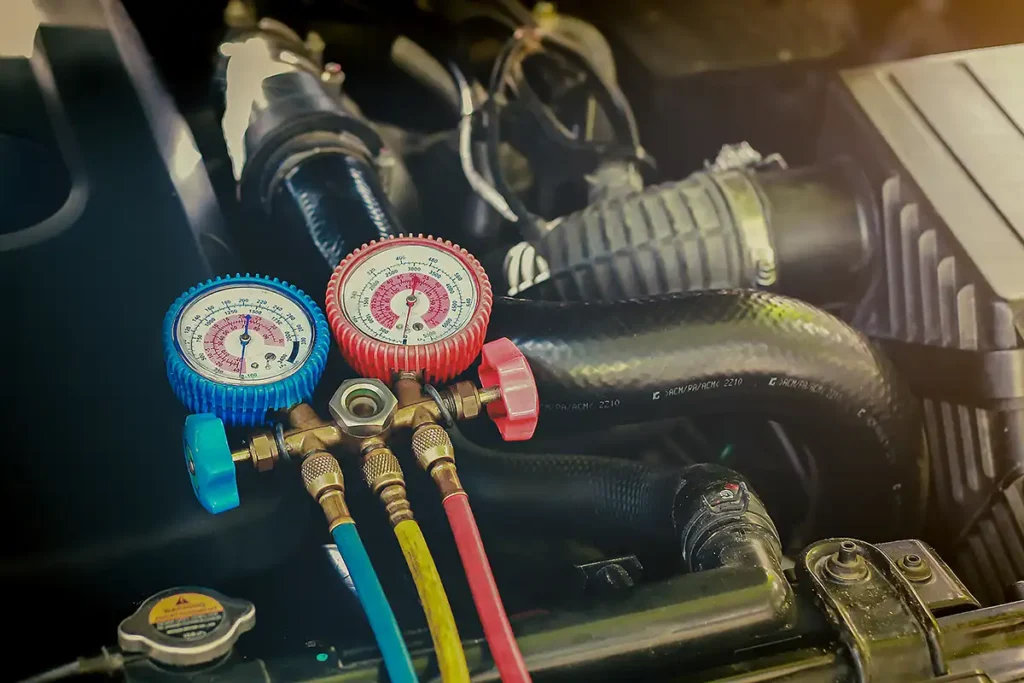
- Low refrigerant levels
- Compressor wear
- Condenser damage
- Cabin air filter restrictions
- Refrigerant leaks
Fixing these problems early keeps you more comfortable and can help you avoid bigger air conditioning repairs later in the season.
3. Inspect Your Tires Before Summer Road Trips
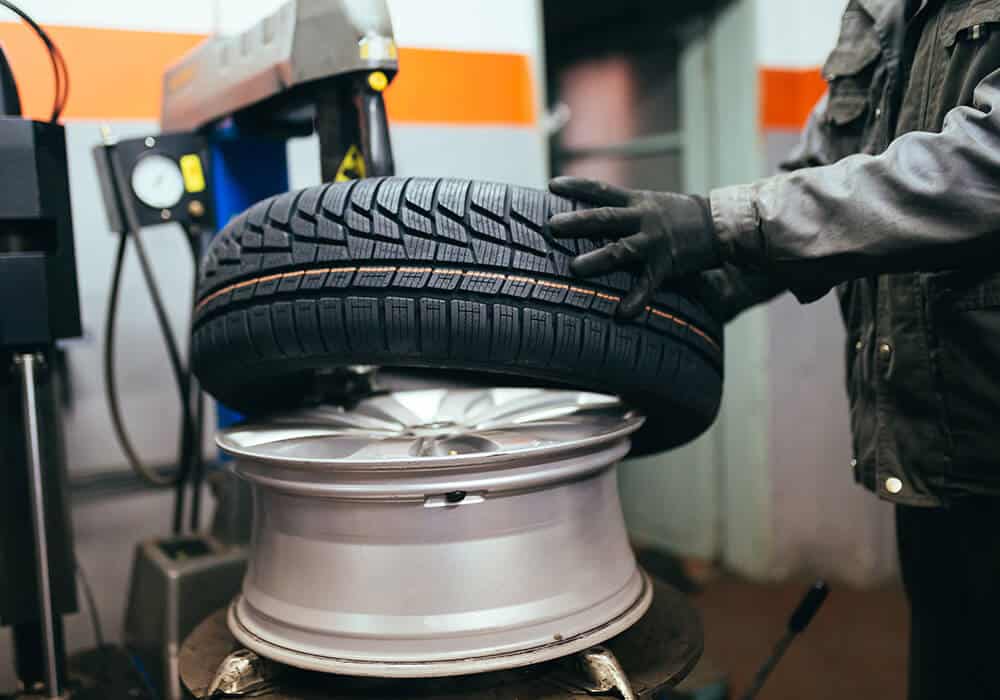
tires naturally lose and gain pressure as temperatures change. During summer, higher road surface temperatures can increase tire pressure while worn tread reduces grip during sudden summer storms.
Many Long Island families take weekend trips to Montauk, Fire Island ferry terminals or the North Fork during summer. Long highway journeys combined with hot asphalt place additional stress on tires that may already be worn.
Before travelling, inspect:
- tire pressure
- Tread depth
- Sidewall damage
- Uneven wear patterns
- Spare tire condition
If one tire shows significantly more wear than the others, it may indicate an alignment or suspension issue that should be corrected before undertaking longer journeys.
4. Test Your Battery Before Heat Causes Problems
Most drivers associate battery failures with winter, but summer heat is equally damaging.
High temperatures speed up internal battery deterioration and increase fluid evaporation. An older battery that survived winter may fail during the hottest weeks of July or August.
Imagine leaving Jones Beach after a full day in the sun only to discover your vehicle struggles to start. Heat exposure throughout the day may have pushed an already weak battery beyond its limit.
Battery inspections should include:
- Battery age
- Terminal corrosion
- Charging system output
- Battery voltage
- Secure battery mounting
Testing takes only a few minutes but can prevent inconvenient breakdowns.
5. Check Engine Oil and Other Essential Fluids
Engine oil has to work harder in summer because higher temperatures place more stress on the engine.
Low or degraded oil reduces lubrication and allows additional engine wear, particularly during stop-and-go traffic common on Hempstead Turnpike and Sunrise Highway.
While checking oil, inspect other fluids including:
- Brake fluid
- Transmission fluid
- Coolant
- Windshield washer fluid
- Power steering fluid where applicable
A small fluid leak discovered during a routine inspection is much easier and cheaper to repair than one that develops into a major failure during a road trip.
6. Inspect Brakes Before Summer Traffic Increases
Summer usually means heavier traffic, more weekend travel and more braking.
Whether you are driving through Garden City, commuting across Nassau County or heading east to the Hamptons, frequent braking creates heat and wears out your brakes faster.
A driver preparing for a weekend trip may notice slight squealing while leaving their driveway. Ignoring the noise could result in worn brake pads damaging the rotors before returning home.
Brake inspections should include:
- Brake pad thickness
- Rotor condition
- Brake fluid level
- Brake line inspection
- Brake response during driving
Catching brake wear early helps maintain stopping performance and reduces repair costs.
7. Replace Worn Wiper Blades and Check Exterior Lighting
Thunderstorms can develop quickly across Long Island even when it’s summer.
Worn wiper blades that streak the windshield during heavy rain make driving far more dangerous, especially on busy roads like the Southern State Parkway or Long Island Expressway.
At the same time, check all exterior lights to make sure other drivers can clearly see your vehicle during poor weather.
Take a few minutes to inspect:
- Front wiper blades
- Rear wiper blade if fitted
- Headlights
- Brake lights
- Indicators
- Reverse lights
- Hazard lights
These simple checks help you see better and stay safer when summer weather changes quickly.
Common Summer Vehicle Care Mistakes Long Island Drivers Make
Even drivers who maintain their vehicles regularly can make mistakes that create unnecessary repair problems during summer. Many issues arise when drivers ignore small warning signs until they become larger failures.
Ignoring Small Warning Signs
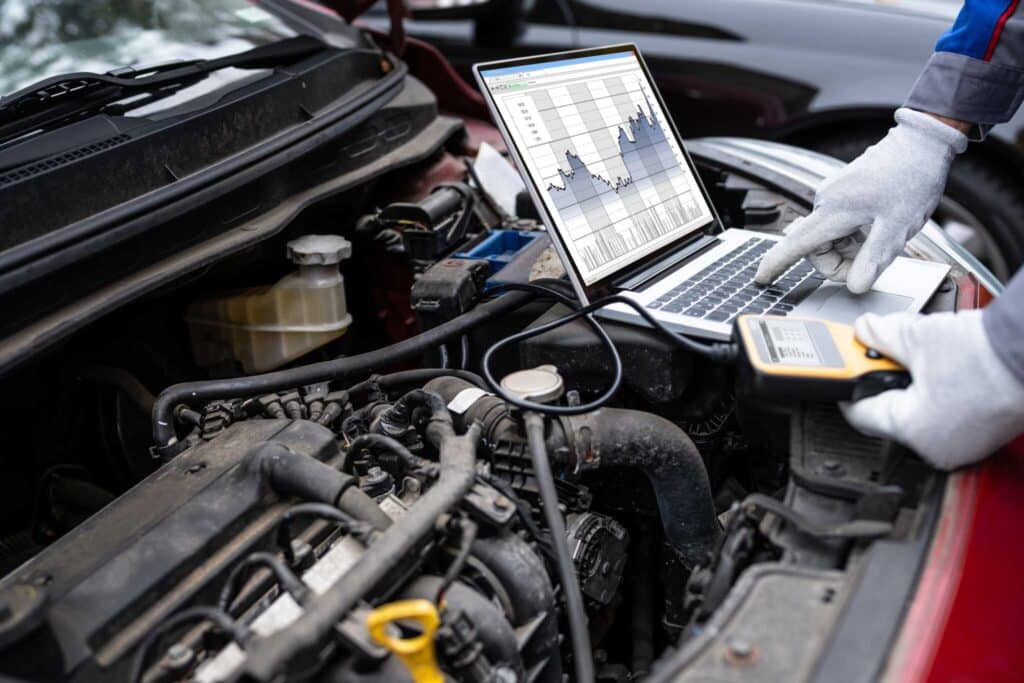
A strange noise, warning light or small performance change may seem harmless, but it often means an issue is developing underneath.
A driver commuting from Massapequa to Mineola may notice their car taking longer to start in the morning. They continue driving because the vehicle still runs normally. A few weeks later, the battery fails completely, leaving them stranded before work.
Common warning signs drivers should not ignore include:
- Dashboard warning lights
- Unusual engine noises
- Slow starting
- Reduced air conditioning performance
- Vibrations while driving
- Unusual smells from the vehicle
Addressing small problems early will most likely prevents larger and more expensive repairs.
Forgetting to Check tire Pressure
Many drivers only think about tire pressure before a long road trip. But, tire pressure changes throughout summer because heat affects the air inside the tire.
Underinflated tires create more rolling resistance, increase fuel consumption and generate additional heat. Overinflated tires reduce traction and can affect handling.
Drivers travelling regularly on routes like the Long Island Expressway (I-495), Southern State Parkway or Sunrise Highway should check tire pressure monthly and before longer trips.
Skipping Routine Maintenance Because the Car “Seems Fine”
A vehicle can appear to run normally while developing hidden issues.
Many maintenance problems don’t show immediate symptoms. Oil can become degraded, brake components can wear gradually and fluids can drop below recommended levels without obvious warning.
Routine summer checks should include:
- Oil and filter changes
- Fluid inspections
- Brake checks
- tire inspections
- Battery testing
- Cooling system checks
Maintenance is all about preventing unexpected breakdowns.
Overlooking the Impact of Short Trips
Many Long Island drivers use their vehicles for short daily journeys, like school runs, errands and local commuting.
Short trips can create additional stress because the engine may not reach its ideal operating temperature. This affects oil circulation, battery charging and moisture removal from the engine system.
A driver making multiple short trips around Hicksville, Levittown or Patchogue may put more stress on their vehicle than someone completing longer highway drives.
Doing regular maintenance and taking the car on longer drives sometimes can help it run better.
Preparing Your Vehicle Before Long Island Summer Road Trips
Summer often means more weekend travel. Many Long Island drivers head east towards the North Fork, Montauk, wineries in Suffolk County or beaches across Nassau and Suffolk.
Before any longer journey, complete a basic vehicle check.
A pre-trip inspection should include:
- Checking tire pressure and tread
- Testing all lights
- Confirming fluid levels
- Checking windshield washer fluid
- Inspecting brakes
- Testing battery condition
- Confirming air conditioning performance
A vehicle that is reliable for daily commuting may still have issues during extended highway driving. Longer trips place additional demand on cooling systems, tires and engine components.
Frequently Asked Questions About Summer Vehicle Care Long Island Drivers Need to Know
How often should I check my car during summer?
Most drivers should perform basic checks at least once a month during summer. Before long trips, inspect tires, fluids, brakes and battery condition to reduce the risk of unexpected problems.
Does hot weather damage car batteries?
Yes. Heat can accelerate battery wear and reduce battery lifespan. Summer temperatures can cause fluid evaporation and increase internal corrosion, which may lead to starting problems.
How do I know if my car is overheating?
Common signs include a rising temperature gauge, steam from under the hood, coolant leaks or warning lights. If your vehicle overheats, stop driving when safe and allow it to cool before further inspection.
Should I change my oil before summer?
Oil changes should follow your vehicle manufacturer’s recommended schedule rather than the season alone. But, checking oil condition before heavy summer driving helps ensure the engine is properly protected.
Why does my air conditioning stop working in summer?
Common causes include low refrigerant, leaks, compressor problems or restricted airflow from a dirty cabin filter. Having the system inspected before peak temperatures can prevent discomfort during hot weather.
How does Long Island weather affect vehicles?
Summer heat, winter salt, humidity and coastal exposure all contribute to vehicle wear. These conditions can affect batteries, brakes, tires, cooling systems and electrical components over time.
Should I inspect my car before a beach trip or road trip?
Yes. Longer drives place additional stress on your vehicle. Checking tires, fluids, brakes and cooling systems before travelling helps reduce the chance of breakdowns away from home.
Keep Your Vehicle Ready for Summer with MB Automotive
Summer driving across Long Island brings more traffic, longer journeys and higher temperatures, which means your vehicle needs proper preparation. Simple maintenance checks can help prevent breakdowns and keep your car performing safely throughout the season.
At MB Automotive, our team helps Long Island drivers like you keep their vehicles reliable with professional inspections, maintenance and repair services. We understand the conditions local drivers face, from daily commutes on the Long Island Expressway to weekend trips across Nassau and Suffolk County.
Contact MB Automotive today to schedule your summer vehicle inspection and make sure your car is ready for the road ahead.