
September 23, 2026
Essential Auto Repair Seasonal Maintenance for Long Island Drivers
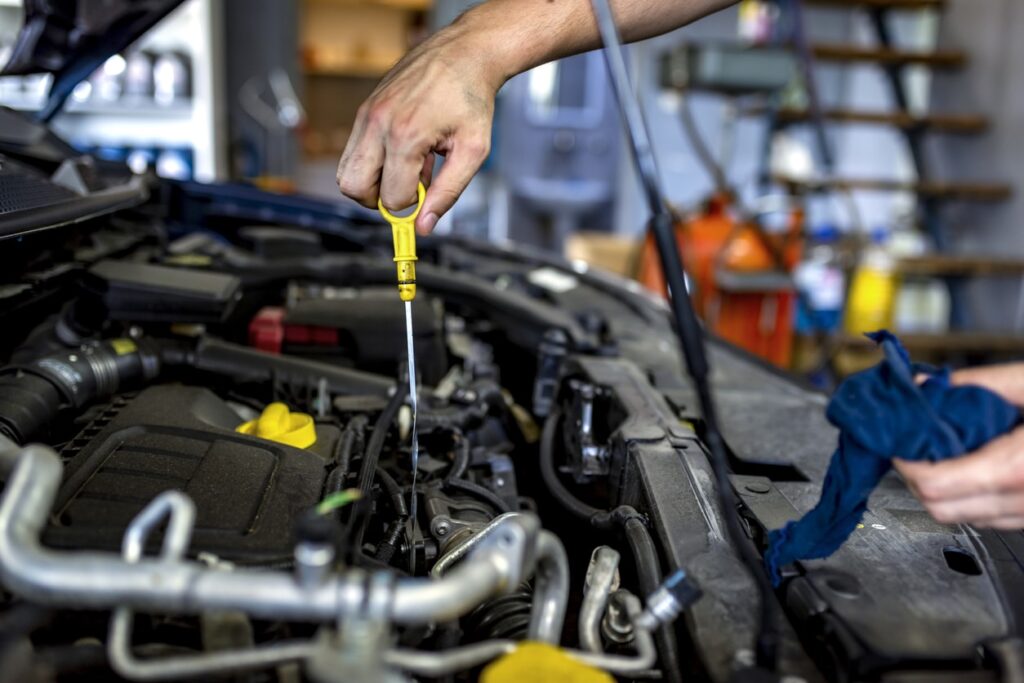
Auto repair seasonal maintenance Long Island check-ups can give you greater confidence behind the wheel as temperatures, road conditions, and driving demands change throughout the year. A vehicle that feels perfectly fine today may still have a weakening battery, uneven tire wear, worn brakes, or a fluid issue that becomes more noticeable when weather conditions shift.
For Long Island drivers, seasonal preparation means checking critical systems such as tires, brakes, batteries, fluids, belts, hoses, and climate control before a minor concern turns into an inconvenient breakdown. Taking a little time to inspect your vehicle now can help you avoid unexpected problems later and keep you feeling confident every time you head out, whether you’re commuting, running errands, or planning a longer drive.
What Does Seasonal Auto Maintenance Include On Long Island?
Seasonal auto maintenance on Long Island focuses on the systems most affected by temperature changes and seasonal driving. Your vehicle’s age, mileage, maintenance history, and driving habits all influence what should be inspected.
Before each major seasonal change, pay particular attention to:
- Tires and tire pressure
- Brakes and brake components
- Battery and charging system
- Engine oil and other fluids
- Belts and hoses
- Cooling system
- Wipers and lights
- Heating and air conditioning
- Steering, suspension, and wheel alignment
If your vehicle is due for scheduled service, preventive maintenance provides an opportunity to review these systems together. You do not necessarily need to replace parts simply because a new season is approaching. The goal is to identify actual wear or developing problems and address what needs attention.
Why Seasonal Changes Matter For Your Vehicle
Temperature changes can affect how different vehicle systems perform. Cold weather can make battery starting more demanding and affect tire pressure, while summer heat places additional demands on the cooling system, air conditioning, and tires.
Long Island driving also brings changing road conditions. Winter road salt and moisture can contribute to corrosion, while potholes and rough roads can affect tires, suspension components, steering, and wheel alignment.
A seasonal inspection gives you an opportunity to catch developing problems before they interfere with everyday driving.
Fall And Winter Maintenance Checklist
Fall is a practical time to prepare for colder temperatures, snow, ice, and reduced visibility.
Start with the battery. If your vehicle has been slow to start or the battery is showing signs of age, have your starting battery inspected before winter. Cold temperatures can make a weak battery more likely to fail.
Your tires also deserve attention. Check inflation, tread condition, uneven wear, and visible damage. Professional tire services can help identify problems that may affect traction and handling.
The brake system should be inspected if you notice squealing, grinding, vibration, pulling, or changes in pedal feel. If an issue is identified, brake repair may be necessary to restore proper braking performance.
You should also check windshield wipers, washer fluid, headlights, brake lights, and defrosters. These components become particularly important when winter brings darker conditions and reduced visibility.
Road salt can also contribute to corrosion, so regular washing that includes the undercarriage can help remove buildup.
Spring And Summer Maintenance Checklist
Spring is a good time to assess what your vehicle experienced during the colder months. Rough roads, potholes, salt, and temperature fluctuations can affect tires, suspension, brakes, and other systems.
Check your tires for uneven tread wear or damage and make sure they are properly inflated. If your vehicle pulls to one side or the steering wheel is no longer centered, an alignment inspection may be appropriate.
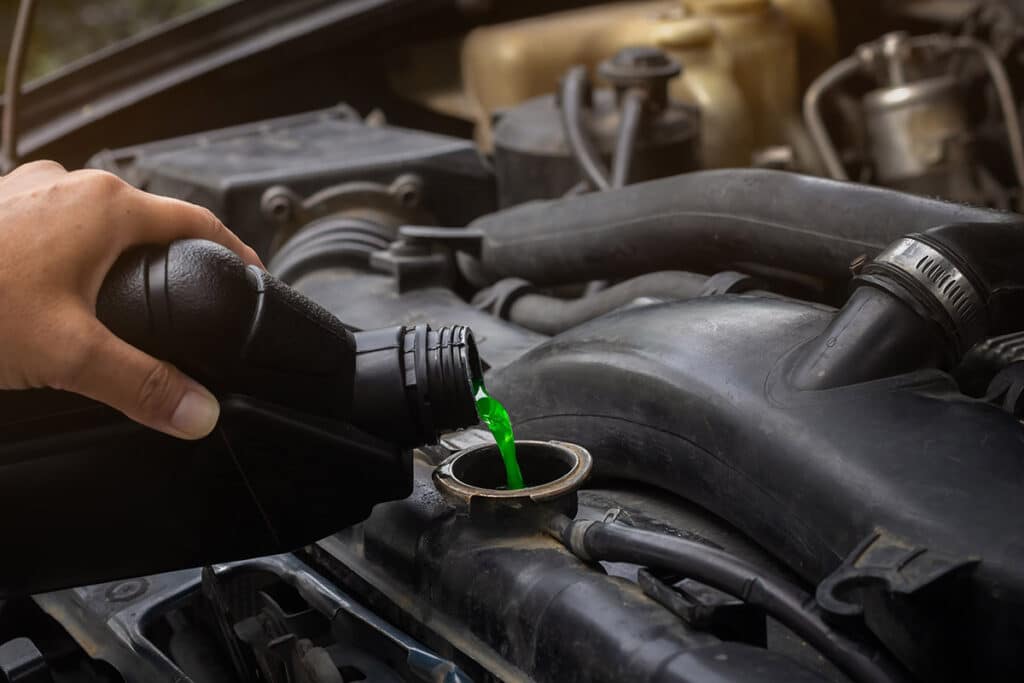
Your cooling system becomes increasingly important as temperatures rise. Check for coolant leaks and have the system inspected if your vehicle is running hotter than normal. Cooling system repair can address problems affecting engine temperature.
Belts and hoses should also be checked for cracking, deterioration, or leaks. If wear is identified, belts and hoses service can help address the issue before a component fails.
As temperatures increase, make sure your air conditioning and climate control systems are working properly. Warm air, weak airflow, unusual odors, or inconsistent operation are reasons to have the system inspected.
How Often Should You Schedule Seasonal Maintenance?
Follow the maintenance schedule specified for your vehicle and use seasonal inspections as an additional opportunity to identify condition-based issues. Not every vehicle needs the same service at the same interval.
Driving habits also matter. Frequent short trips, heavy traffic, long commutes, rough roads, and extended periods of inactivity can affect maintenance needs.
Keep records of oil changes, inspections, tire replacements, brake work, battery replacement, and other major services. This makes it easier to determine what needs attention and avoid unnecessary duplicate work.
If you recently completed major maintenance and your vehicle is operating normally, you may not need another comprehensive service simply because the season changed. A targeted inspection may be enough when your scheduled maintenance is up to date.
What Can Affect Seasonal Auto Maintenance Costs?
There is no single price for seasonal auto maintenance because the work depends on what your vehicle actually needs. One vehicle may only require an inspection, while another may need tires, brakes, a battery, fluid service, or repairs.
Factors that can affect the total cost include:
- Vehicle make, model, and year
- Mileage and maintenance history
- Condition of tires and brakes
- Battery age and condition
- Required fluid services
- Wear on belts and hoses
- Suspension or alignment issues
- Cooling system condition
- Diagnostic work and repairs required
The most useful approach is to separate routine maintenance from repairs that are actually necessary. Ask what was inspected, what was found, what needs attention now, and what can be monitored.
What Should You Look For In A Auto Repair Seasonal Maintenance Long Island Provider?
A good seasonal inspection should give you useful information about your vehicle rather than simply produce a list of recommended services. You should understand what was inspected, whether a component is functioning normally, and why a repair is being recommended.
It also helps to choose a shop familiar with your vehicle type. European vehicles can have specific maintenance requirements, diagnostic systems, components, and service procedures that differ between makes and models.
Before authorizing work, ask which recommendations are urgent, which are routine, and which can reasonably be planned for later.
Common Mistakes to Avoid
Seasonal maintenance is most useful when you address real vehicle needs instead of treating it as a generic checklist.
- Ignoring small warning signs: Unusual noises, vibrations, leaks, warning lights, or starting problems can indicate developing issues, so have persistent changes inspected
- Checking tire pressure only when the warning light appears: Temperature changes can affect pressure, so check it regularly according to the vehicle manufacturer’s recommendations
- Skipping brake inspections: Waiting until braking performance deteriorates can leave less time to address worn components
- Forgetting the battery: A vehicle can still start normally while its battery is losing capacity, so consider testing an older battery before extreme temperatures
- Delaying fluid and cooling-system checks: Leaks, overheating, or fluid concerns should be addressed promptly
- Assuming every seasonal service is necessary: Base recommendations on your vehicle’s maintenance schedule, condition, mileage, and driving habits
Frequently Asked Questions
What is seasonal auto maintenance?
Seasonal auto maintenance is an inspection and service process designed to prepare important vehicle systems for changing weather and driving conditions. It can include checking tires, brakes, batteries, fluids, belts, hoses, cooling systems, climate control, and lights based on your vehicle’s condition and maintenance schedule.
When should I prepare my car for winter on Long Island?
Fall is a practical time to prepare your vehicle for winter because it gives you an opportunity to address worn tires, weak batteries, brake concerns, visibility issues, and other maintenance needs before colder and more challenging driving conditions arrive.
Does cold weather affect car batteries?
Cold temperatures can make starting an engine more demanding, which can expose a weak or aging battery. If your vehicle starts slowly, the battery is older, or you have experienced electrical issues, a battery and charging-system inspection can help identify potential problems.
How does winter road salt affect a car?
Road salt and salty moisture can contribute to corrosion on exposed vehicle components, particularly underneath the vehicle. Regular washing that includes the undercarriage can help remove buildup. If you notice visible corrosion or unusual noises, an inspection can determine whether repairs are needed.
Should I check my tires when the seasons change?
Yes. Temperature changes can affect tire pressure, while seasonal driving can expose uneven wear, tread problems, or existing damage. Check pressure according to the manufacturer’s recommendations and have the tires inspected if you notice uneven wear, vibration, pulling, or visible damage.
What should I check before summer driving?
Before summer, pay particular attention to the cooling system, battery, tires, belts, hoses, air conditioning, fluids, and brakes. If you are planning a long road trip, a pre-trip inspection can also help identify maintenance issues before you are far from home.
Can seasonal maintenance prevent expensive repairs?
Regular maintenance cannot prevent every mechanical failure, but it can help identify worn or developing problems earlier. Addressing issues such as low fluid levels, worn tires, weak batteries, or deteriorating belts and hoses may reduce the risk of more serious problems later.
Conclusion
Staying ahead of seasonal maintenance check-ups starts with knowing which systems need attention as driving conditions change. A timely inspection can help you address wear early and keep your vehicle dependable throughout the year.
At MB Automotive, we provide full-service European auto maintenance and repair in Bay Shore, NY, with ASE-certified technicians, OEM and OE-equivalent parts, transparent pricing, and service for vehicles including BMW, Mercedes-Benz, Audi, Volvo, and other European makes.
Whether you need routine maintenance, tire service, brake repair, battery inspection, diagnostics, or another seasonal service, our team can help you understand what your vehicle needs and why.
Stay ahead of any auto repair seasonal maintenance Long Island issues with professional assistance from MB Automotive.
Schedule your service today.