
November 5, 2026
Long Island Vehicle Maintenance Checklist for Every Driver

Your car gets you to work, to family commitments, and everywhere else across Long Island. Rush-hour traffic on the Long Island Expressway (LIE), potholes on the parkways, and salted roads every winter all add wear to your tires, brakes, and suspension. An unexpected breakdown or repair bill can disrupt both your schedule and your budget. Following a Long Island vehicle maintenance checklist helps you prevent many of these problems and drive with more confidence.
A checklist helps you track essential services, spot warning signs early, and prepare for changing weather. Whether you drive a BMW, Mercedes-Benz, Audi, Volvo, or another vehicle, regular maintenance protects its safety and long-term reliability. This guide covers what to check, how often to schedule service, how to prepare for each season, and which mistakes to avoid.
Your Long Island Vehicle Maintenance Checklist
Use this Long Island vehicle maintenance checklist to cover the components that directly affect your vehicle’s safety and performance. Follow your owner’s manual for specific service intervals, as requirements vary by make and model.
1. Check Engine Oil and Filters
Engine oil lubricates moving components, reduces friction, and helps regulate temperature. Monitor your oil level and follow the manufacturer’s recommended replacement interval.
Frequent short trips and stop-and-go traffic on the LIE or Sunrise Highway may require more attention to oil condition. Replace the oil filter according to your vehicle’s service schedule to prevent contaminants from circulating through the engine.
When your oil is due, schedule a professional oil and filter change service to keep your engine properly protected.
2. Inspect Tires and Tire Pressure
Check tire pressure monthly and before long trips. Use the recommended PSI on your driver’s door-jamb label rather than the maximum pressure printed on the tire.
Look for uneven tread wear, cracks, bulges, and embedded objects. Tire rotation and wheel alignment can also help prevent premature wear and maintain handling.
Potholes are a regular hazard on Long Island roads. Freeze-thaw cycles in late winter and early spring break up the pavement on the LIE, the Northern and Southern State Parkways, and local streets. A hard hit can bend a wheel, cause a bulge in the tire sidewall, or knock your alignment out. If your steering wheel pulls or vibrates after hitting a pothole, have the tire and alignment checked before uneven wear spreads to the rest of the tire.
According to the National Highway Traffic Safety Administration (NHTSA), properly inflated tires are essential for safe driving and tire longevity.
3. Examine Your Brakes
Your brakes should receive regular inspections to ensure reliable stopping performance. Pay attention to squealing, grinding, vibrations, or changes in pedal response.
Have your brake pads, rotors, calipers, lines, and fluid condition checked when recommended. If you notice unusual braking behavior, schedule a professional brake inspection and repair.
4. Test Your Battery and Charging System
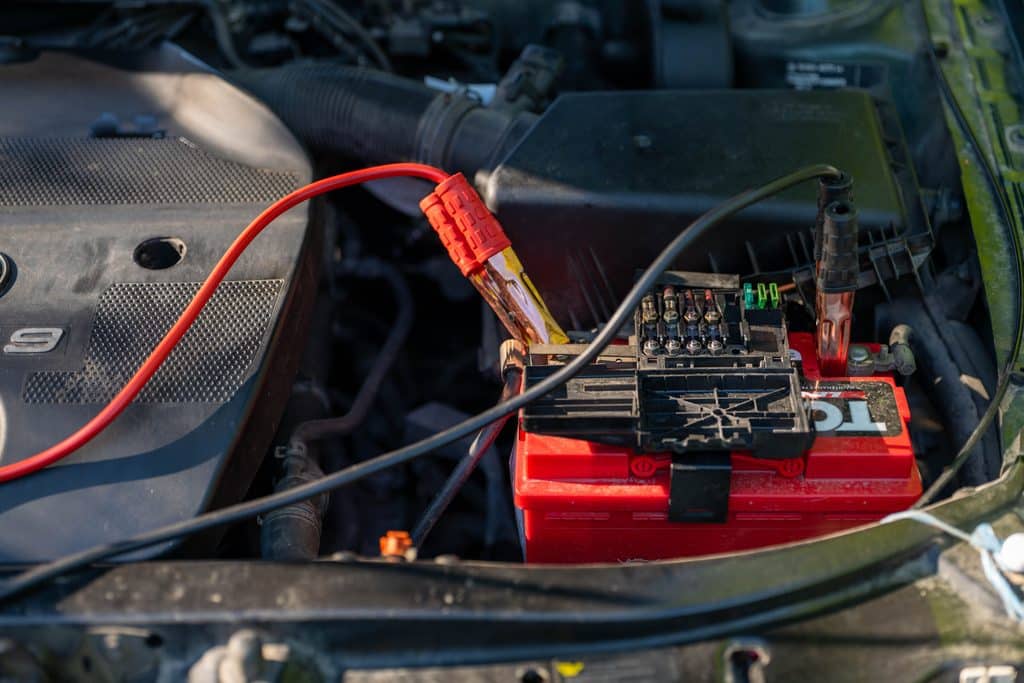
Cold temperatures can reduce battery performance, making battery condition particularly important before winter. Slow engine cranking, flickering dashboard lights, and inconsistent electrical accessories may indicate a problem.
Check the battery terminals for corrosion and schedule a battery and charging system test if you notice starting difficulties. A test can help determine whether you need a replacement battery or attention to another electrical component.
5. Check Essential Fluids
Your vehicle depends on several fluids to operate correctly. Check their levels and condition according to your manufacturer’s recommendations, including:
- Engine coolant
- Brake fluid
- Transmission fluid
- Power steering fluid, if applicable
- Windshield washer fluid
Never open a hot, pressurized coolant reservoir. If you notice leaks underneath your vehicle, have the source identified instead of repeatedly topping off the affected fluid.
6. Inspect Belts, Hoses, and Suspension
Look for cracked belts, damaged hoses, visible leaks, and loose connections. These components can deteriorate over time and contribute to overheating or mechanical problems.
Your suspension also needs attention, especially if your commute includes the patched, uneven pavement on the older parkways. Clunking sounds, excessive bouncing, and uneven tire wear may indicate worn shocks, struts, or bushings. Addressing these issues early can help preserve handling and ride comfort.
7. Check Lights, Wipers, and Climate Control
Test your headlights, brake lights, turn signals, and hazard lights regularly. Replace worn windshield wipers if they leave streaks or struggle to clear rain.
Before seasonal temperature changes, test your heating and air conditioning systems. Replace the cabin air filter according to your vehicle’s maintenance schedule to maintain interior airflow.
8. Monitor Dashboard Warning Lights
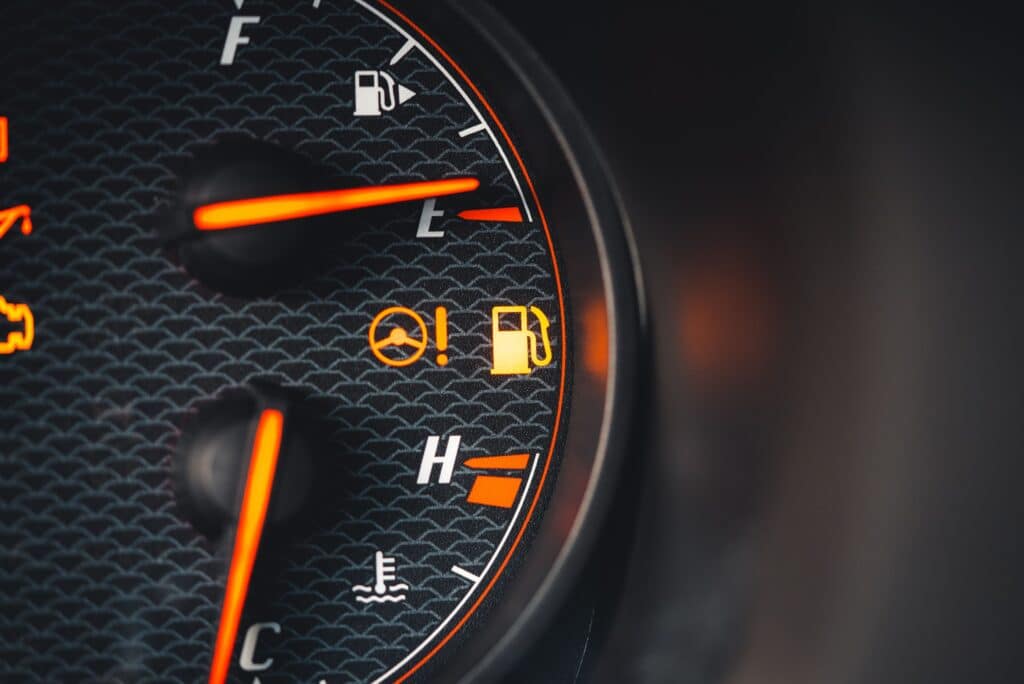
Never ignore warning lights related to your engine, battery, brakes, or tire pressure monitoring system (TPMS). These indicators can alert you to developing mechanical or electrical problems.
A diagnostic scan can retrieve trouble codes and help identify the underlying issue. However, a code alone does not automatically establish which component needs replacement. Proper testing is important before approving repairs.
For persistent warning lights or unusual performance changes, consider professional engine diagnostics.
How Often Should You Schedule Vehicle Maintenance?
Your vehicle’s maintenance schedule depends on its age, mileage, manufacturer requirements, and driving conditions. Use the following as a general reminder rather than a replacement for your owner’s manual.
| Frequency | Maintenance Tasks |
| Monthly | Check tire pressure, tread, lights, and visible leaks |
| Every 3–6 months | Review oil service requirements and inspect wipers, belts, and hoses |
| Every 6–12 months | Schedule a general maintenance inspection as recommended |
| Manufacturer-specified intervals | Service filters, transmission fluid, brakes, and other components |
| Before seasonal changes | Inspect the battery, tires, cooling system, and climate control |
If you drive a BMW, Mercedes-Benz, Audi, or Volvo, pay particular attention to factory-scheduled maintenance. These vehicles may have specific requirements for fluids, filters, electronic systems, and replacement components.
A professional preventive maintenance inspection can help identify developing problems and determine which services your vehicle actually needs.
Prepare Your Vehicle for Long Island’s Seasons
Long Island’s weather puts different demands on your car through the year, from nor’easters and salted roads in winter to beach traffic in summer.
Before winter, check your tire tread, brakes, and wipers, and switch to a washer fluid rated for freezing temperatures. Nor’easters can cover the parkways in snow and slush, so make sure your tires provide enough traction for snow and ice. Have the exhaust system checked for leaks as well, since you’ll spend more time idling with the windows closed.
Summer brings a different strain. Beach traffic on the Meadowbrook and Wantagh State Parkways and the Robert Moses Causeway means long stretches of idling in high heat, which is hard on the cooling system. Before Memorial Day, have the radiator, hoses, and coolant level inspected to reduce the risk of overheating in traffic.
You should also remember that New York requires most registered vehicles to pass an annual safety inspection. Check the New York State DMV inspection requirements and keep your inspection current.
What Affects Vehicle Maintenance Costs?
Maintenance costs depend on your vehicle, the service required, parts availability, and the condition of individual components. Routine services are generally easier to budget for than unexpected mechanical repairs.
European vehicles may require manufacturer-specific fluids, parts, and diagnostic procedures. Labor requirements can also vary depending on how accessible a component is and how complex the repair becomes.
Before approving work, consider:
- Vehicle specifications: Different makes and models have different service requirements
- Parts selection: OEM and OE-equivalent components can affect the estimate
- Labor: Complex repairs may require additional diagnostic time
- Underlying damage: A minor symptom can sometimes indicate a larger mechanical issue
You don’t necessarily need to replace every component showing minor wear. Ask which repairs are safety-related, which are preventive, and which can reasonably wait. An itemized estimate helps you understand the work and prioritize your expenses.

Common Mistakes to Avoid
Small maintenance oversights can create bigger problems over time. Watch out for these common mistakes:
- Driving through flooded streets: Heavy rain and coastal flooding often leave standing water on South Shore roads. Water that is deeper than it looks can reach the engine’s air intake and damage electrical components, so turn around instead. If you’ve already driven through it, have the car inspected
- Treating the state inspection as a maintenance check: New York’s annual safety inspection confirms that your car meets minimum safety standards on the day it’s tested. It doesn’t replace the scheduled services in your owner’s manual
- Ignoring open recalls: Manufacturers fix recall defects free of charge, but only if you bring the car in. Look up your VIN on the NHTSA recall site a few times a year
- Replacing a single tire on an all-wheel-drive car: On Audi quattro, BMW xDrive, Mercedes-Benz 4MATIC, and Volvo AWD models, one new tire next to worn ones can strain the drivetrain. If a pothole ruins one tire, ask whether the others need replacing or whether the new tire can be shaved to match
Frequently Asked Questions
What Maintenance Records Should You Keep for Your Vehicle?
Keep invoices, repair estimates, inspection reports, warranty documents, and records of completed services. Organizing these documents chronologically makes it easier to track your vehicle’s history, establish when major components were replaced, and provide useful information if you decide to sell.
What Information Should You Give Your Mechanic When Reporting a Problem?
Describe when the issue occurs, how frequently it happens, and whether you’ve noticed changes in sound, handling, or performance. Mention recent repairs and dashboard messages. Specific details help your mechanic narrow down potential causes and choose appropriate diagnostic tests.
How Does Winter Road Salt Affect Your Car?
Road salt speeds up rust on your brake lines, exhaust system, suspension parts, and the underside of the body. During winter, wash your car regularly and include an undercarriage rinse, especially after snowstorms. In spring, have the brake lines, exhaust, and underbody inspected for corrosion before small spots of rust turn into costly repairs.
Can an Independent Shop Service Your Car Without Voiding the Warranty?
Yes, in most cases. Under the federal Magnuson-Moss Warranty Act, a manufacturer can’t void your warranty or deny coverage simply because an independent shop performed your maintenance. Have the work done according to the manufacturer’s schedule, use parts and fluids that meet its specifications, and keep every invoice as proof. A manufacturer can still deny a claim if improper service or parts caused the damage.
Keep Your Vehicle Reliable with MB Automotive
Regular maintenance helps you stay ahead of routine servicing, protect important components, and make informed decisions about repairs.
At MB Automotive, our ASE-certified technicians help Long Island drivers maintain BMW, Mercedes-Benz, Audi, Volvo, and other vehicles through routine servicing, preventive maintenance, and expert diagnostics. We use OEM and OE-equivalent parts and give honest recommendations that separate urgent repairs from those that can safely wait.
Long Island roads are hard on a car, from pothole season on the parkways to daily stop-and-go on the LIE. Our job is to catch that wear before it turns into a breakdown on your commute, and to show you exactly what we found before any work begins.