
October 8, 2025
Mercedes Steering Problems: Causes and Fixes for Suffolk County Owners
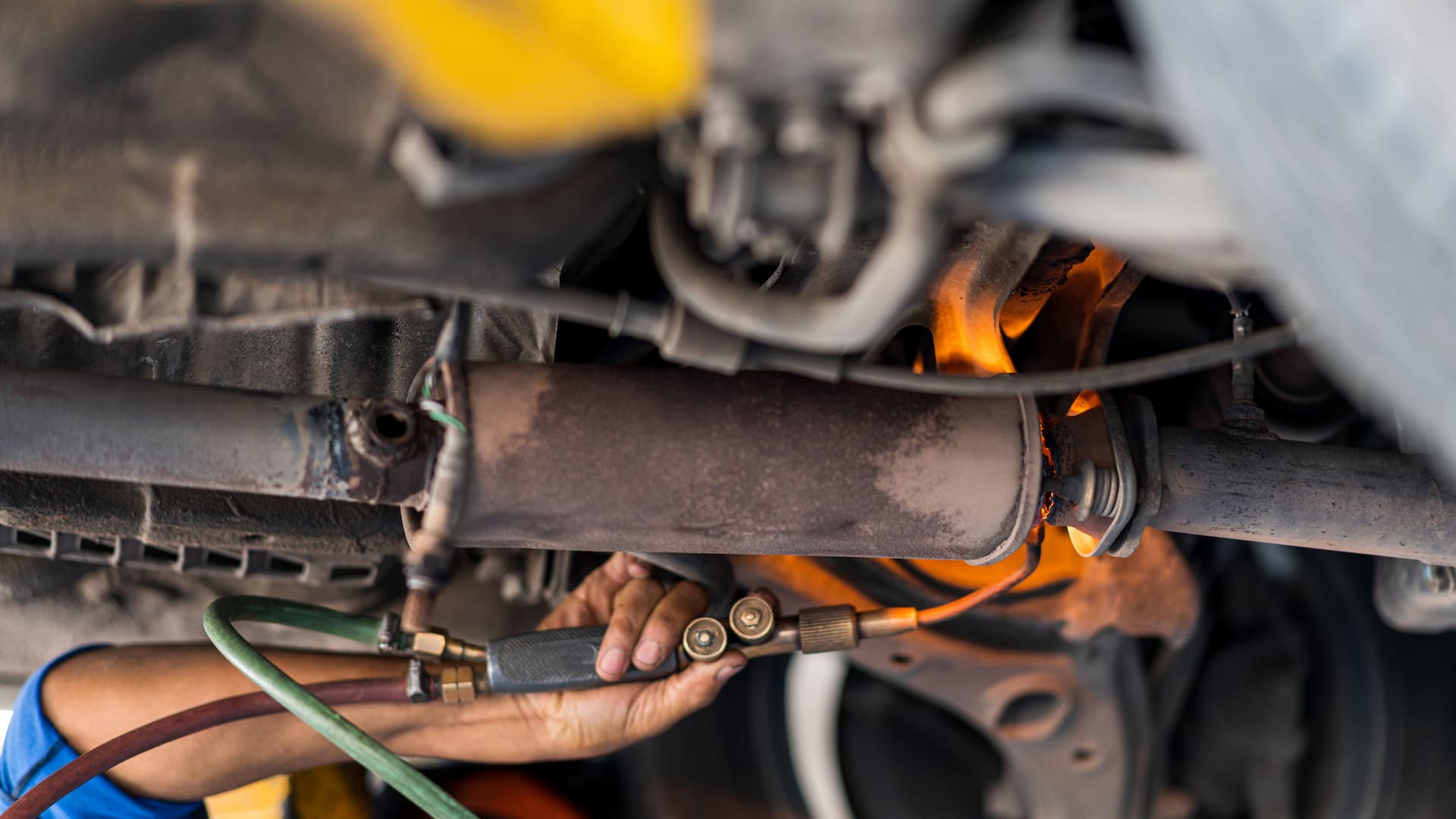
Owning a Mercedes-Benz is about more than just driving it’s about experiencing precision engineering, luxury comfort, and a vehicle that performs beautifully under any condition. But even the most reliable Mercedes models can develop issues over time, especially when it comes to steering performance.
For many Suffolk County drivers, problems with steering can appear gradually a bit more resistance when turning, an unusual noise when parking, or a steering wheel that just doesn’t feel right. Left unchecked, these symptoms can escalate into serious safety hazards or expensive repairs.
In this guide, we’ll explore the most common Mercedes steering problems, what causes them, and how professional repair technicians in Suffolk County can restore your car’s smooth handling and responsiveness.
Understanding Mercedes Steering Systems
Before we get into specific issues, it helps to understand how Mercedes steering systems work. Most modern Mercedes-Benz vehicles from the C-Class and E-Class to SUVs like the GLE or GLC feature power-assisted steering, which can be hydraulic, electric, or a combination of both.
- Hydraulic Power Steering (HPS): Uses a pump powered by the engine to apply pressure through steering fluid.
- Electric Power Steering (EPS): Uses electric motors and sensors to adjust steering based on driving conditions.
Both systems are designed for precision and comfort, but they also rely on numerous components pumps, sensors, control units, fluid lines, and linkages that can wear down over time
1. Steering Feels Heavy or Stiff
One of the most common complaints from Mercedes drivers is that the steering feels unusually heavy. Turning the wheel takes more effort, particularly at low speeds or when parking.
Possible Causes:
- Low or Leaking Power Steering Fluid: If you notice fluid stains under your car or hear whining sounds when turning, you might have a leak in the steering pump or hoses.
- Failing Power Steering Pump: A pump that’s wearing out will struggle to maintain fluid pressure, making the wheel harder to turn.
- Serpentine Belt Problems: On models with hydraulic steering, a slipping or broken belt can cause a sudden loss of steering assist.
- Electronic Malfunctions (for EPS models): A fault in the steering control module or sensors can make the system revert to manual steering mode.
Fix: Your repair technician will first check for fluid leaks, inspect the pump and belts, and run diagnostic scans to detect electrical faults. In most cases, replacing worn hoses or topping off fluid resolves the issue. If the pump has failed, it may need replacement a common fix for older Mercedes models.
2. Steering Wheel Vibration or Shaking
If your Mercedes steering wheel shakes when driving especially at higher speeds it’s often a sign of imbalance or suspension issues, but steering components can also be involved.
Possible Causes:
- Unbalanced or Damaged Tires: One of the simplest causes; uneven wear or a bent wheel rim can cause noticeable vibration.
- Worn Tie Rods or Ball Joints: These steering linkages connect your wheels to the steering rack; once they loosen, vibration travels up through the steering column.
- Warped Brake Rotors: If shaking occurs mainly during braking, warped rotors could be the culprit.
- Alignment Problems: Poor alignment causes uneven steering resistance and shaking, particularly after hitting potholes or curbs (common on Suffolk County roads).
Fix: A professional inspection can identify whether the problem is mechanical or alignment-related. Balancing and alignment services are relatively quick and affordable but if suspension or steering linkage parts are worn, replacing them promptly ensures your Mercedes handles safely and smoothly.
3. Whining or Groaning Sounds When Turning
A Mercedes should glide through turns quietly, so if you hear a whining, groaning, or squealing sound when turning the wheel, it’s a clear sign that something’s wrong.
Possible Causes:
- Low Power Steering Fluid: Air entering the system through low fluid or leaks often causes whining noises.
- Worn Steering Pump Bearings: These produce a groaning or humming sound that worsens as steering load increases.
- Contaminated Steering Fluid: Old or dirty fluid loses viscosity, making the system noisy and less effective.
Fix: Your mechanic will inspect the system for leaks and may recommend a power steering flush, which replaces old fluid and removes debris. If the pump bearings or seals are worn, a pump replacement may be required to restore quiet, smooth operation.
4. Steering Pulls to One Side
If your Mercedes seems to drift or pull to one side even when you’re driving straight, it’s not just an annoyance — it’s a sign of imbalance or component wear that needs immediate attention.
Possible Causes:
- Wheel Alignment Issues: Uneven alignment is the most common reason. Suffolk County’s rough winter roads and potholes can easily knock your alignment out of spec.
- Uneven Tire Pressure or Wear: A simple but often overlooked cause.
- Suspension or Steering Component Wear: Worn control arm bushings, ball joints, or tie rods can cause inconsistent steering response.
- Brake Caliper Sticking: A dragging caliper can make your car pull to one side when accelerating or braking.
Fix: Start with a tire pressure check and wheel alignment. If the issue persists, your repair shop will inspect suspension geometry and brake components. Catching these problems early can prevent uneven tire wear and costly suspension repairs later on
5. Steering Feels Loose or Wanders
A Mercedes-Benz should feel composed and stable on the road, so if your steering feels loose, vague, or drifts easily, it’s time to have it checked.
Possible Causes:
- Worn Steering Rack or Linkages: Over time, components like tie rods, ball joints, and bushings loosen, causing steering play.
- Alignment or Suspension Wear: Misalignment or worn shocks make the car less responsive to steering input.
- Power Steering Rack Failure: On higher-mileage vehicles, the rack-and-pinion assembly may wear internally, leading to excess play.
Fix: The solution depends on what’s worn. Often, replacing tie rods or a rack assembly restores tight, confident steering. Because these issues affect handling and safety, they shouldn’t be ignored.
6. Warning Lights and Electronic Steering Faults
Modern Mercedes-Benz vehicles feature Electronic Power Steering (EPS) systems controlled by sensors and ECUs. When there’s a fault, you might see a “Power Steering Malfunction” or “EPS Warning” on your dashboard.
Common Triggers:
- Faulty steering angle sensors
- Malfunctioning torque sensor
- Low voltage or battery issues
- Damaged steering control module
Fix: Unlike mechanical issues, EPS faults require diagnostic scanning with Mercedes STAR or equivalent software. Technicians in Suffolk County who specialize in European vehicles can interpret fault codes, recalibrate sensors, or replace defective modules.
Why Steering Issues Should Never Be Ignored
It can be tempting to ignore small changes in steering feel especially if your car still drives “mostly fine.” But these symptoms often indicate early warning signs of bigger mechanical failures. A small fluid leak today could mean a failed steering rack tomorrow.
Beyond performance, steering directly affects safety. A sudden loss of assist or component failure while driving can make your vehicle difficult to control, especially at highway speeds or in emergency maneuvers.
By addressing problems early, you’ll not only protect your vehicle’s resale value but also prevent larger, more expensive repairs.
Professional Mercedes Steering Repair in Suffolk County
Because Mercedes-Benz systems are complex and highly engineered, accurate diagnosis and repair require specialized expertise and equipment. That’s why Suffolk County owners should choose a Mercedes-certified repair shop or European auto specialist for steering issues.
Certified technicians use factory diagnostic tools to pinpoint problems quickly and replace parts with OEM-quality components. Whether it’s a simple power steering flush, a steering rack replacement, or recalibration of your EPS system, a trusted local shop ensures your Mercedes performs exactly as it should smooth, precise, and safe.
If you’ve noticed stiffness in your steering, noises while turning, or dashboard warning lights, don’t wait. Schedule an inspection as soon as possible. Addressing steering issues promptly not only protects your car but keeps you and your passengers safe on Suffolk County’s busy roads.
Keeping Your Mercedes in Top Shape
Regular maintenance is key to avoiding most steering issues. Checking fluid levels, monitoring tire wear, and scheduling annual alignment services can go a long way toward preserving steering performance. For Suffolk County drivers who deal with coastal weather, salt exposure, and rough winter roads, preventive maintenance is especially important corrosion and wear happen faster in these conditions.
Your Mercedes was built for precision. Keeping its steering system in top shape ensures every drive feels like it did the day you first brought it home confident, smooth, and unmistakably refined.