
August 12, 2026
Preventive Maintenance Tips For Long Island Drivers
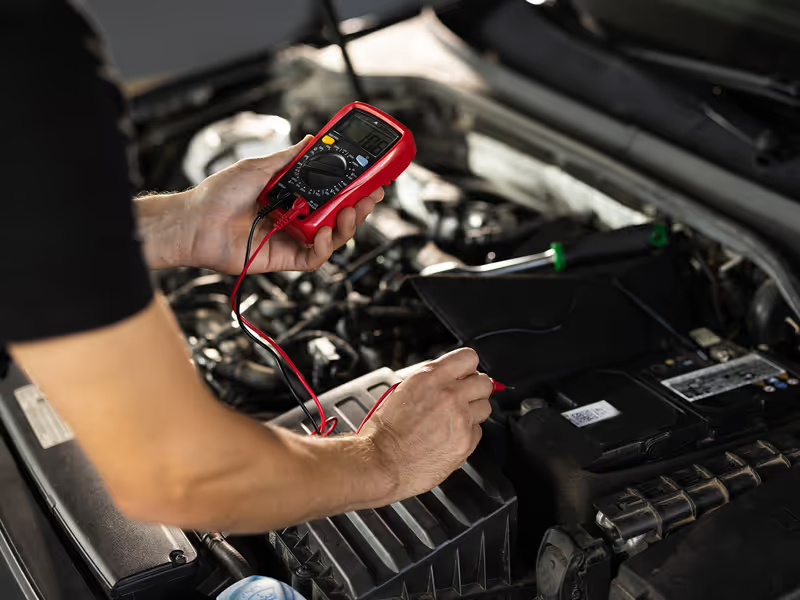
Preventive maintenance for Long Island drivers means checking your vehicle before a small issue becomes a breakdown. Heat, humidity, winter road salt, traffic, short trips, and changing road conditions can all affect how your car performs. Regular inspections help you identify worn tires, weak batteries, low fluids, brake wear, cooling system issues, and other problems early.
The right maintenance schedule depends on your vehicle, mileage, age, driving habits, and manufacturer recommendations. This guide explains what to check, how often you should service your car, which seasonal issues deserve attention, and when professional maintenance makes sense.
Preventive Maintenance For Long Island Drivers: What Should You Check?
Proper preventive maintenance starts with the systems that affect reliability, safety, and everyday performance. You do not need to replace every component at every visit. You need to inspect the right components at the right time.
For most drivers, a routine maintenance check should consider:
- Engine oil and filter condition
- Tire pressure, tread depth, and overall tire condition
- Brake pads, rotors, and brake fluid
- Battery condition and charging system
- Coolant level and cooling system condition
- Windshield wipers and washer fluid
- Belts, hoses, and visible leaks
- Air filters and cabin air filters
- Lights and exterior signals
- Suspension and steering components
- Manufacturer-recommended service items
Your owner’s manual remains the best starting point for service intervals because different vehicles have different requirements. Brands like BMW, Mercedes-Benz, Audi, or Volvo may also use maintenance schedules based on mileage, time, operating conditions, and onboard service reminders.
How Often Should You Service Your Car?
How often you should service your car depends on the manufacturer’s schedule and how you drive. A vehicle used for frequent short trips, heavy traffic, long-distance commuting, or seasonal travel may need closer attention than a vehicle that spends most of its time on open roads.
Do not rely solely on the calendar. Mileage and driving conditions matter too.
If your vehicle has a maintenance reminder, use it as a guide rather than ignoring it until a warning light appears. Maintenance reminders can help you stay on schedule, but they do not replace a visual inspection when you notice something unusual.
You should also book a check-up sooner if you notice:
- New vibrations or unusual noises
- Changes in braking performance
- A warning light on the dashboard
- Uneven tire wear
- Difficulty starting the engine
- Fluid spots beneath the vehicle
- Changes in steering or handling
- An air conditioning system that is no longer cooling properly
A check-up is particularly useful before a long road trip. Finding a weak battery or worn tire in your driveway is considerably more convenient than discovering it on the Long Island Expressway.
How Long Island Climate Affects Your Vehicle
Long Island’s changing seasons mean your vehicle faces very different operating conditions throughout the year. Understanding Long Island climate effects on vehicles helps you decide when a seasonal inspection is worthwhile.
Summer brings heat, humidity, strong sunlight, and hot pavement. These conditions can place additional demands on your cooling system, battery, tires, and air conditioning system. Winter introduces freezing temperatures, road salt, moisture, and potholes, which can affect different parts of the vehicle.
Coastal exposure can also contribute to corrosion over time, particularly when combined with moisture and road salt. That does not mean every vehicle will develop corrosion problems, but it is one reason regular inspections are useful for Long Island drivers.
Your driving pattern matters too. Stop-and-go traffic around busy routes and town centers puts different demands on a vehicle than steady highway driving. Frequent short trips can also mean the engine spends more time operating before reaching its normal temperature.
Summer Car Problems In Long Island To Watch For
Summer car problems in Long Island often become noticeable when temperatures rise and driving increases. A vehicle that seems fine during a mild spring day may reveal a weak component during a hot commute or long summer trip.
Your cooling system deserves particular attention. Check coolant levels and look for signs of leaks, overheating, or temperature changes. Never open a hot cooling system yourself because pressurized coolant can cause serious burns.
Your air conditioning system should also be checked before the hottest part of summer. Weak airflow, inconsistent cooling, unusual smells, or warm air can indicate issues that need diagnosis.
Tires are another important summer check. Hot pavement and incorrect tire pressure can affect handling and tire wear. Check your pressures when the tires are cold and follow the vehicle manufacturer’s recommended pressure rather than the maximum pressure printed on the tire.
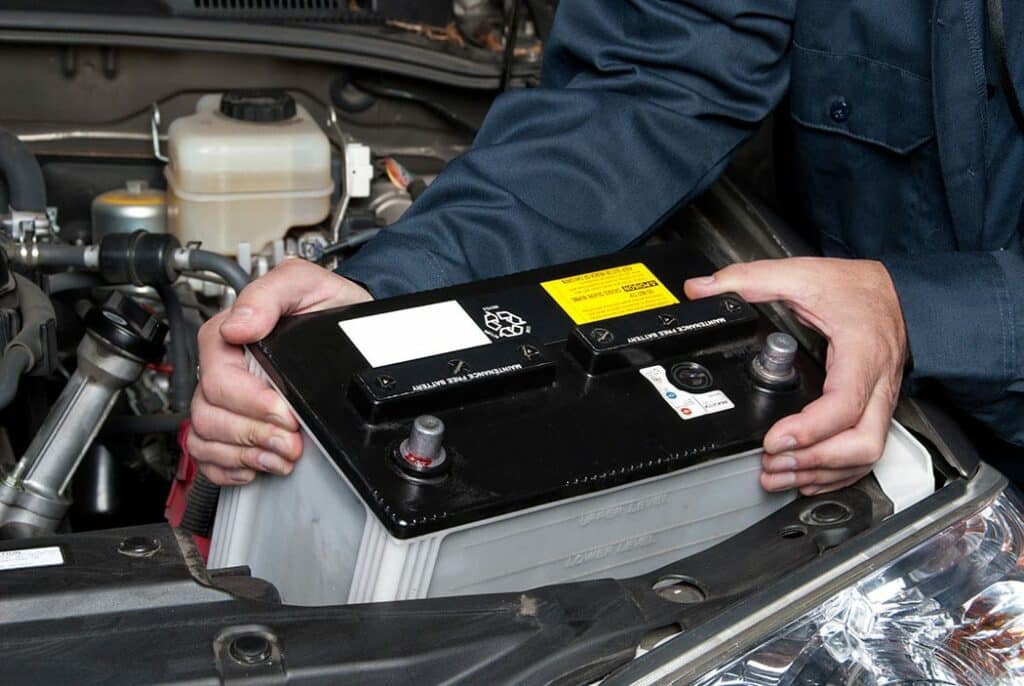
Your battery also deserves attention. Heat can be hard on automotive batteries, particularly older ones. If your vehicle has shown slow starting or electrical issues, a battery and charging-system inspection can help determine whether service is needed.
Summer Vehicle Care Tips Before A Long Drive
A seasonal check does not need to be complicated. Before a summer road trip, inspect the basics and arrange professional service if anything looks questionable.
Use these summer vehicle care tips:
- Check tire pressure and inspect the tread
- Check engine oil and other accessible fluid levels
- Test the air conditioning before the trip
- Check windshield wipers and washer fluid
- Look for visible fluid leaks
- Make sure exterior lights work correctly
- Check the battery if starting performance has changed
- Review any overdue manufacturer-recommended maintenance
If your vehicle is already showing symptoms, do not treat a seasonal inspection as a substitute for diagnosis. A noise, warning light, overheating issue, or fluid leak needs to be assessed based on its cause.
What Does Preventive Maintenance Cost?
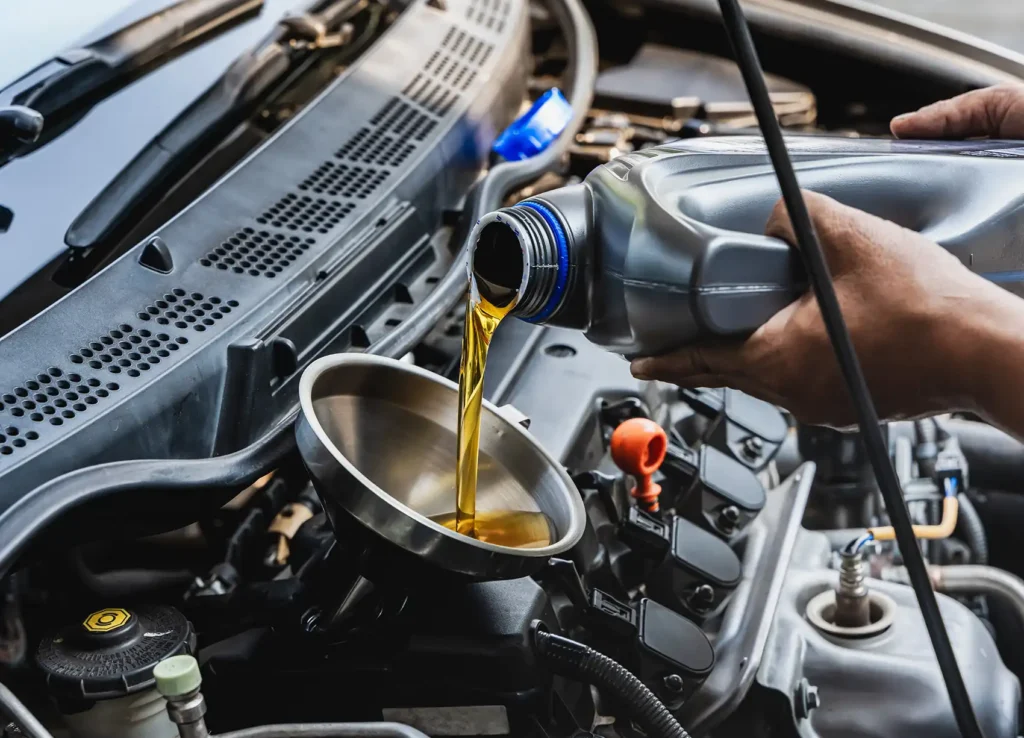
Preventive maintenance costs vary according to the vehicle, required service, mileage, parts, and condition. A basic inspection may involve considerably less work than a scheduled service that requires filters, fluids, spark plugs, brake work, or other components.
European vehicles can also have manufacturer-specific maintenance requirements. A BMW, Mercedes-Benz, Audi, or Volvo may require particular parts, fluids, diagnostic procedures, or scheduled services.
When comparing quotes, ask what the price includes. A lower initial price is not necessarily better if two shops are recommending different levels of service.
A useful estimate should make clear:
- Which maintenance items are included
- Which parts or fluids are required
- Whether diagnostic work is included
- Which items are urgent and which can wait
- Whether additional repairs were identified during inspection
You should also be wary of replacing parts simply because a vehicle has reached a particular mileage. Maintenance should be based on manufacturer requirements, inspection results, vehicle condition, and actual symptoms.
When Is A Professional Check-Up Worth It?
A professional check-up is most useful when your vehicle is approaching scheduled maintenance, you are preparing for a long trip, or you have noticed a change in performance. It is also sensible when you have recently purchased a used European vehicle and want a clearer picture of its condition.
You may not need a full service every time you visit a repair shop. If your vehicle recently received its scheduled maintenance and everything is operating normally, a simple visual check and routine monitoring may be enough.
The important distinction is between maintenance and repair. Maintenance follows a planned schedule to keep components in good condition. Repair addresses a known problem. A professional inspection can help determine which situation you are dealing with before you spend money unnecessarily.
Common Mistakes to Avoid
Good maintenance is partly about knowing what to do and partly about knowing what not to ignore. These common mistakes can turn manageable maintenance into a more expensive repair.
- Ignoring dashboard warning lights: Continuing to drive without finding out what a warning means can allow a developing problem to become more serious. Have unexplained warning lights diagnosed promptly
- Using the wrong fluids: European vehicles can have specific fluid requirements, so do not assume any oil or coolant is suitable. Follow the manufacturer’s specifications
- Checking tires only before road trips: Tire pressure and condition matter during everyday driving too. Check pressures regularly and inspect for uneven wear or visible damage
- Waiting for symptoms before servicing: Some maintenance items wear gradually without producing obvious symptoms. Follow the manufacturer’s maintenance schedule
- Treating every repair as urgent: Not every recommendation requires immediate replacement. Ask which items affect safety or reliability now and which can be planned
- Skipping seasonal inspections: Long Island’s changing weather can expose existing weaknesses. Consider a seasonal check before periods of heavy driving
- Choosing a shop without European vehicle experience: BMW, Mercedes-Benz, Audi, and Volvo vehicles can require brand-specific knowledge and diagnostic equipment. Choose a shop familiar with your vehicle’s systems
Frequently Asked Questions
What Preventive Maintenance Does A Car Need?
Your car typically needs regular checks of engine oil, filters, tires, brakes, fluids, battery, cooling system, lights, and other components specified by the manufacturer. The exact schedule depends on your vehicle, mileage, age, and driving conditions. European vehicles may also have specific factory-recommended maintenance intervals and service requirements.
How Often Should You Service A BMW, Mercedes-Benz, Audi, Or Volvo?
The correct interval depends on the specific model, engine, mileage, age, and manufacturer schedule. Your owner’s manual and vehicle service reminder are the best starting points. If you drive frequently in heavy traffic, take many short trips, or notice changes in performance, discuss your driving conditions with a qualified technician.
Is Summer Hard On Your Car?
Summer heat can place additional demands on your vehicle’s cooling system, battery, tires, and air conditioning system. Hot pavement and increased driving can also expose existing tire or mechanical problems. Checking these systems before heavy summer driving is a practical way to identify problems before they interrupt your plans.
Should You Get Your Car Checked Before A Road Trip?
A pre-trip inspection is worthwhile if your vehicle is due for maintenance, has been sitting for an extended period, or has developed symptoms such as unusual noises, vibration, weak air conditioning, or slow starting. Checking tires, fluids, brakes, battery, lights, and cooling-system condition can help you identify issues before travelling.
What Are The Most Important Summer Car Checks?
Start with tire pressure and condition, engine oil and fluid levels, battery condition, cooling system, air conditioning, windshield wipers, and lights. If you notice overheating, fluid leaks, weak cooling, or starting problems, arrange professional diagnosis rather than relying on a basic visual inspection.
Can Preventive Maintenance Save Money?
Preventive maintenance can help you identify worn or developing problems before they require more extensive repairs, although it cannot eliminate unexpected breakdowns. Following the manufacturer’s schedule and addressing symptoms early can also help you make repair decisions based on the vehicle’s actual condition rather than waiting for a failure.
Do European Cars Need Special Maintenance?
European vehicles can have manufacturer-specific maintenance schedules, fluids, parts, diagnostic systems, and service procedures. That does not mean every repair requires a dealership. You can choose an independent repair shop with appropriate experience, equipment, and knowledge of your BMW, Mercedes-Benz, Audi, Volvo, or other European vehicle.
Keep Your Vehicle Ready For Long Island Roads with MB Automotive
The right next step is to inspect your vehicle based on its maintenance schedule, condition, and how you use it.
At MB Automotive, we provide full-service European auto repair in Bay Shore for drivers across Suffolk and Nassau counties. Our ASE-certified technicians provide maintenance, diagnostics, and repairs for BMW, Mercedes-Benz, Audi, Volvo, and other European vehicles, using OEM and OE-equivalent parts.
We take a practical approach to preventive maintenance for Long Island drivers. We assess what your vehicle actually needs, explain the work clearly, and help you prioritize maintenance so you can make informed decisions about your car.
Schedule your check-up today and give your vehicle the care it needs to keep you confidently moving through every season on Long Island.