June 26, 2026
Top 7 Warning Signs Your Brakes Need Immediate Repair or Replacement
Your brakes are one of the most important safety features on your vehicle. If they are not working properly, even a short drive can become dangerous. The good news is that your car usually gives clear signals before a serious problem develops.Knowing the signs brakes need repair or replacement can help you avoid costly damage, prevent accidents, and keep your vehicle safe on the road.
Whether you’re commuting through Hempstead, driving along Sunrise Highway, or running errands in Huntington, paying attention to these warning signs can make a big difference.
In this guide, we’ll cover the top seven brake warning signs, explain what they mean in simple terms, and discuss when it’s time to schedule professional service.
Signs Brakes Need Repair or Replacement: What Drivers Should Watch For
The most common signs brakes need repair or replacement include unusual noises, vibrations, longer stopping distances, warning lights, soft brake pedals, pulling while stopping, and burning smells. If you notice any of these things, it’s important to have your vehicle checked as soon as possible.
Ignoring small brake issues often leads to larger repairs and greater safety risks. A problem that starts as a minor inconvenience can quickly become a serious hazard on busy Long Island roads.
1. You Hear Squeaking or Grinding Sounds
One of the first signs many drivers notice is a strange sound when slowing down or stopping.
Imagine you’re driving through Garden City during morning traffic. Every time you approach a stop sign, you hear a loud grinding noise. While your vehicle still stops, the sound becomes worse each day. Waiting too long could lead to more extensive repairs and higher costs.
If unusual noises continue for more than a few days, it’s best to schedule an inspection.
A high-pitched squeak may happen occasionally due to moisture or weather conditions. However, if the noise continues day after day, it’s usually a sign that something needs attention.
Grinding sounds are even more concerning. They often indicate that parts of the braking system have worn down significantly and need immediate service.
2. Your Vehicle Takes Longer to Stop
A healthy braking system should respond quickly when you press the pedal.
You’re traveling on the Long Island Expressway during rush hour. Traffic slows unexpectedly, and your vehicle takes longer than normal to stop. Situations like this should never be ignored because they can quickly become dangerous.
If your vehicle suddenly requires more distance to come to a complete stop, this is a serious warning sign. Delayed stopping can increase the risk of rear-end collisions, especially during heavy traffic.
Drivers often notice this issue gradually. Because the change happens slowly, many people adjust their driving habits without realizing there is a problem.
Signs of Increased Stopping Distance
- Needing to press the pedal harder than before
- Feeling less stopping power at traffic lights
- Taking longer to slow down in busy traffic
- Needing extra space between vehicles
3. The Brake Pedal Feels Soft or Spongy
The brake pedal should feel firm and predictable when pressed.
While driving through Freeport, you approach a red light and notice the pedal feels softer than usual. You need to push much farther down before the vehicle begins slowing. This is a warning sign that deserves immediate attention.
If the pedal suddenly feels unusually soft, sinks toward the floor, or requires extra pressure, something may not be working properly.
Many drivers describe the feeling as if they’re stepping on a sponge rather than a solid pedal.
Why This Matters
A soft pedal can reduce your ability to stop quickly in emergencies. Even if the vehicle still stops, the reduced responsiveness can compromise safety.
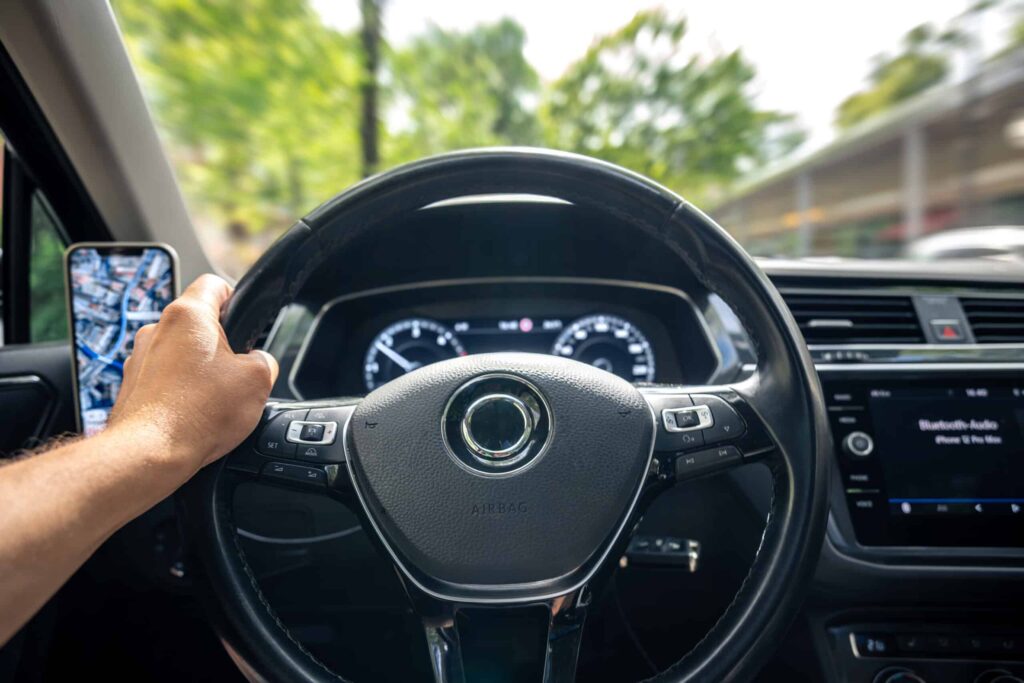
4. Your Steering Wheel or Vehicle Vibrates While Stopping
Have you ever felt shaking or vibration when applying the brakes?
This symptom often appears during moderate or higher-speed stops. The vibration may be felt through the steering wheel, the brake pedal, or throughout the vehicle.
You’re driving on Northern State Parkway and begin slowing for traffic ahead. As you press the brake pedal, the steering wheel starts shaking noticeably. While the vehicle may still stop safely, the issue should be inspected before it becomes more severe.
Many drivers initially assume the issue will disappear on its own. Unfortunately, vibrations typically worsen over time.
Common Symptoms
- Shaking steering wheel
- Pulsing sensation in the pedal
- Vehicle vibrating during stops
- Increased vibration at higher speeds
5. Your Vehicle Pulls to One Side
When braking, your vehicle should remain straight and stable.
Imagine you’re driving near Patchogue after a rainstorm. As you approach a traffic light and press the brake pedal, the vehicle pulls toward one side of the lane. This can be especially risky when traffic is heavy or road conditions are slippery.
If pulling occurs consistently, schedule an inspection promptly.
If it suddenly drifts left or right while slowing down, there may be an issue affecting braking performance.
Many drivers first notice this when stopping at intersections or exiting highways.
Why Pulling Is a Concern
Pulling can reduce vehicle control and create unsafe situations, especially during wet weather or sudden stops.
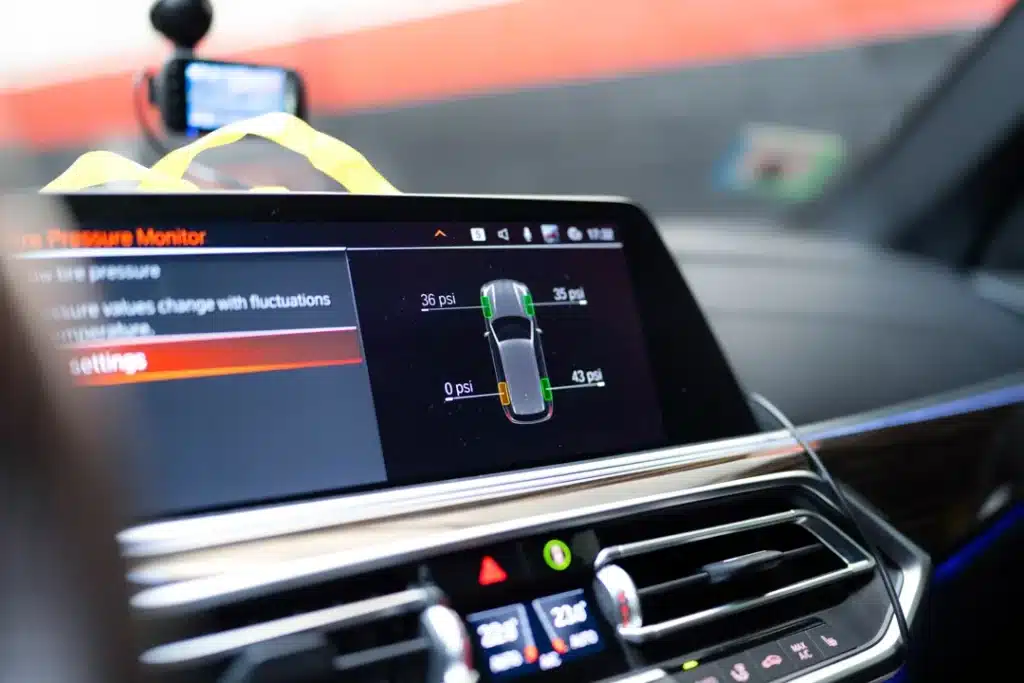
6. A Warning Light Appears on Your Dashboard
Modern vehicles are designed to alert drivers when a problem may exist.
You’re preparing for a weekend drive from Nassau County to Montauk. The brake warning light appears the night before your trip. Rather than hoping it disappears, it’s safer to have the vehicle checked first.
Dashboard alerts exist for a reason and should always be taken seriously.
If a brake-related warning light appears on your dashboard, don’t assume it’s a minor issue.
While some warning lights may indicate routine maintenance needs, others can signal problems that affect safety.
What You Should Do
- Check your owner’s manual for guidance
- Avoid ignoring the warning
- Schedule professional diagnostics
- Address the issue before a long trip
7. You Notice a Burning Smell After Driving
A strong burning odor coming from your vehicle is never something to ignore.
You’re driving through stop-and-go traffic near Roosevelt Field Mall during a busy weekend. After parking, you notice a strong burning odor coming from the vehicle. This situation warrants immediate inspection before continuing to drive.
After heavy traffic or repeated stops, unusual smells may indicate excessive heat or another issue affecting braking performance.
The smell may be sharp, chemical-like, or similar to something overheating.
When to Act Immediately
If you notice a burning smell along with smoke, reduced stopping power, or warning lights, pull over safely and seek professional assistance.
Why Prompt Brake Service Matters
Many drivers delay brake repairs because the vehicle still seems drivable.
Unfortunately, small issues rarely stay small. What begins as a simple repair can develop into a more expensive problem if ignored.
Prompt service can help:
- Improve vehicle safety
- Reduce repair costs
- Prevent breakdowns
- Protect other vehicle components
- Provide greater peace of mind
For Long Island drivers who regularly encounter congested roads, frequent stoplights, and heavy commuting traffic, reliable braking performance is especially important.
Frequently Asked Questions
How often should brakes be inspected?
Most experts recommend having your brakes inspected during routine maintenance visits or whenever you notice unusual symptoms. Regular inspections help identify problems before they become serious.
Can I keep driving if my brakes are making noise?
Occasional noise may not always indicate a major issue. However, persistent squeaking, squealing, or grinding should be inspected as soon as possible.
What is the most serious brake warning sign?
A soft pedal, significantly increased stopping distance, strong burning smell, or inability to stop normally should all be treated as urgent concerns.
Do brake problems get worse over time?
Yes. Most brake-related issues gradually worsen if left unaddressed. Early repairs are often less expensive and safer than waiting.
Why Should You Visit MB Automotive
Recognizing the signs brakes need repair or replacement can help protect you, your passengers, and everyone else on the road. Warning signs such as unusual noises, vibrations, longer stopping distances, dashboard alerts, pulling while stopping, soft pedals, and burning smells should never be ignored.
If you notice any of these signs and brakes need a repair or replacement, we at MB Automotive can help you fix it. The importance in all of this is to ensure that we can help you prevent larger repairs, improve safety, and keep your vehicle operating with confidence.