
October 28, 2026
What to Do When Your Check Engine Light Comes On Unexpectedly
When your check engine light comes on unexpectedly, the first thing to check is whether it is flashing or steady. A flashing light, especially with shaking, smoke, or overheating, means you should pull over as soon as it is safe. A steady light on a car that drives normally gives you time to book a diagnostic inspection.
Below, we cover what each light pattern means, the faults that commonly trigger the warning, and how a mechanic confirms the cause. You will also find what affects diagnostic costs and the mistakes that make repairs more expensive. If the light is on right now, start with the checks in the next section.
What Should You Do If Your Check Engine Light Comes On Unexpectedly?
If your check engine light comes on unexpectedly, how the car behaves in the next few minutes tells you how urgently you need help. The light’s pattern, the way the engine runs, and the temperature gauge all point to whether you can keep driving.
Follow these steps:
- Look for serious symptoms: Stop driving if you notice overheating, smoke, a strong fuel smell, severe shaking, or significant power loss.
- Check the temperature gauge: If the engine overheats, switch it off when safely stopped. Never remove a hot radiator cap.
- Note when the light appeared: Record whether it came on during startup, acceleration, or shortly after refueling. This information may help with diagnosis.
- Arrange an inspection: If the light remains on, have the vehicle checked promptly, even if it seems to run normally.
If you are unsure whether your vehicle is safe to drive, call a repair shop for advice on an engine diagnostic inspection.
What Is the Difference Between a Flashing and Steady Check Engine Light?
A steady check engine light usually indicates a fault that needs attention soon, while a flashing light can signal a condition that risks damaging the engine or emissions system.

Steady Check Engine Light
A steady light may indicate a loose fuel cap, a faulty oxygen sensor, or another engine-management issue. If your vehicle runs normally and no other warning signs appear, you may be able to drive a short distance to a repair facility.
However, normal performance does not guarantee that the issue is minor. Some faults affect fuel efficiency and emissions before noticeable symptoms develop.
Flashing Check Engine Light
A flashing light often indicates an active engine misfire, which occurs when fuel does not burn correctly in one or more cylinders. Unburned fuel can overheat and damage the catalytic converter.
Ease off the accelerator, pull over when it is safe, and have the car towed if the light keeps flashing. Driving on with an active misfire can turn an ignition repair into a catalytic converter replacement.
What Can Cause Your Check Engine Light to Turn On?
Your check engine light activates when the onboard diagnostic system detects a potential engine or emissions-related fault. Several problems can trigger the warning, and diagnostic testing is needed to identify the cause.
Common possibilities include:
- Loose or faulty fuel cap: Allows fuel vapors to escape
- Faulty oxygen sensor: Sends inaccurate exhaust readings that can affect fuel mixture
- Engine misfire: May result from faulty spark plugs, ignition coils, or fuel delivery problems
- Mass airflow sensor problems: Disrupt measurements of incoming air
- Catalytic converter issues: Affect emissions control and sometimes engine performance
- Electrical or wiring faults: Interfere with sensors or engine-management systems
The same warning can have different causes. Diagnostic trouble codes help identify the system involved, but they do not always confirm which component has failed. Replacing parts based on a code alone can lead to unnecessary expenses.
How Do Mechanics Diagnose a Check Engine Light?
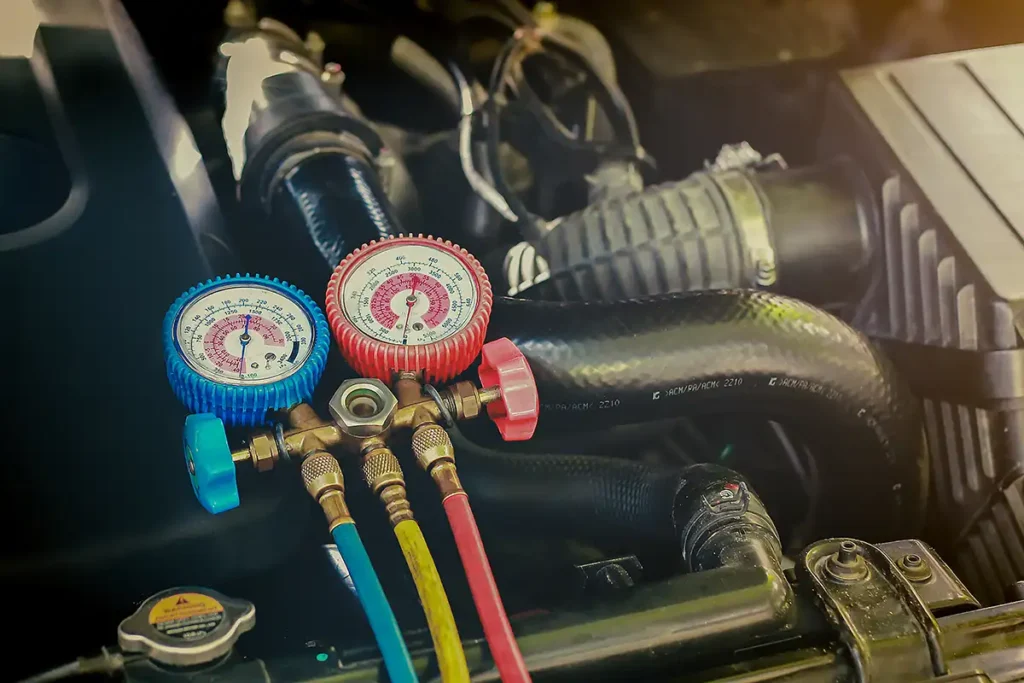
A mechanic retrieves diagnostic trouble codes and evaluates the vehicle’s symptoms to determine which tests are needed. The process may involve scanning the onboard computer, reviewing available data, inspecting wiring, and testing relevant components.
Further testing depends on the results. For example, an oxygen sensor code does not automatically mean the sensor itself needs replacement. Wiring problems or exhaust leaks may produce similar readings.
You can use AAA’s diagnostic code translator to understand what a retrieved code may indicate, but treat the result as a starting point rather than a confirmed diagnosis.
For European vehicles, manufacturer-specific diagnostic information may also be important. If you drive an Audi, for example, specialized Audi repair and service in Bay Shore can address engine performance, ignition, sensor, and emissions-system concerns.
What Affects the Cost of Check Engine Light Diagnosis?
Diagnostic costs depend on your vehicle, the suspected fault, and the amount of testing needed. A basic scan may cost less than investigating an intermittent electrical issue or a complex engine problem.
Repair costs depend on the diagnosis. A fuel cap issue may be inexpensive to resolve, while a catalytic converter failure or major engine fault can cost considerably more.
Before approving work, ask whether the diagnostic fee is separate from the repair cost, what the recommended repairs include, and whether additional testing may be necessary. Accurate diagnosis can help you avoid replacing parts unnecessarily.
Common Mistakes to Avoid
A warning light can be easy to dismiss when your vehicle seems normal. Avoid these mistakes to reduce the risk of damage and unnecessary repair costs.
- Ignoring a flashing light: Treat a flashing light as urgent, even if the car still seems to drive normally
- Assuming the cause without testing: Several faults can trigger the same warning, so confirm the problem before replacing parts
- Clearing codes without investigating: Erasing codes can remove useful diagnostic information, so have the fault assessed first
- Disconnecting the battery to reset the light: This may erase information without fixing the underlying problem
- Waiting for symptoms to worsen: Some faults initially cause few noticeable changes, so book an inspection promptly
Frequently Asked Questions
Will a Check Engine Light Cause My Car to Fail an Emissions Test?
In New York, it usually does. Most 1996 and newer gasoline vehicles get an OBD-II emissions check during the annual inspection, and that check looks at whether the check engine light is on. Too many incomplete readiness monitors, which often happens after codes are cleared or the battery is disconnected, can also cause a failure. The New York DMV’s inspection guidance explains what the test covers and why a failed result can hold up your registration renewal.
Can I Check the Engine Trouble Codes Myself?
Yes, a compatible OBD-II scanner can retrieve diagnostic trouble codes from most passenger vehicles sold in the United States from model year 1996 onward. The codes can provide a useful starting point, but interpreting them correctly may require additional testing and vehicle-specific information.
Will My Car Lose Fuel Economy When the Check Engine Light Is On?
It may. Some faults affect the air-fuel mixture, ignition, or emissions system, causing the engine to use more fuel than usual. Other faults may have little immediate effect on fuel economy. If you notice a sudden drop in mileage alongside the warning, mention it during diagnosis.
Why Did My Check Engine Light Come On and Then Turn Off?
An intermittent fault can switch the light on and off. If the system stops detecting the problem over several drive cycles, it may turn the light off on its own, but the code usually stays stored in the engine computer. A light that comes and goes still deserves a diagnostic scan, because the stored code can show what triggered it before the fault returns or gets worse.
Should I Keep My Diagnostic Trouble Codes for Future Repairs?
Yes. A simple log of each code, the date, the mileage, and the repair performed helps a technician spot patterns when a fault returns, such as the same misfire code reappearing months after new spark plugs were fitted. It also gives a future buyer a clearer service history.
Get Help With Your Check Engine Light
A check engine light tells you something is wrong, not what. Even the stored trouble code only narrows the problem down to a system, so the cheapest fix is usually the one that follows a confirmed diagnosis rather than a guess based on the code.
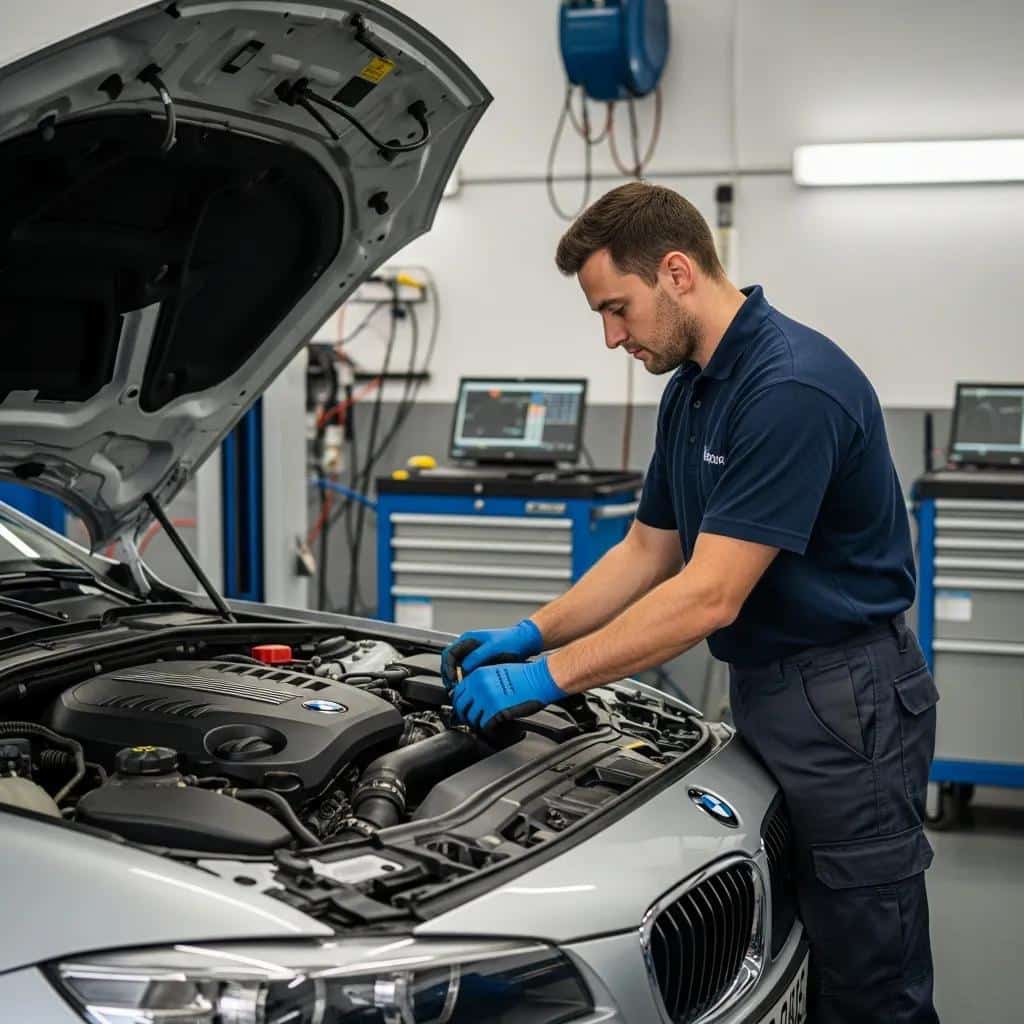
MB Automotive specializes in European vehicles, including BMW, Mercedes-Benz, Audi, and Volvo models, which often store manufacturer-specific fault data that a basic code reader cannot see.
Our ASE-certified technicians use manufacturer-level diagnostic equipment to confirm the fault behind a code, then explain what they found and give you an upfront estimate before any work begins. We serve drivers in Bay Shore and across Suffolk and Nassau counties.
If your check engine light comes on unexpectedly, contact MB Automotive to schedule a diagnostic appointment and find out what your vehicle needs.