
June 24, 2026
Auto Diagnostics Long Island: The Complete Driver’s Guide to Faster, Smarter Car Repairs
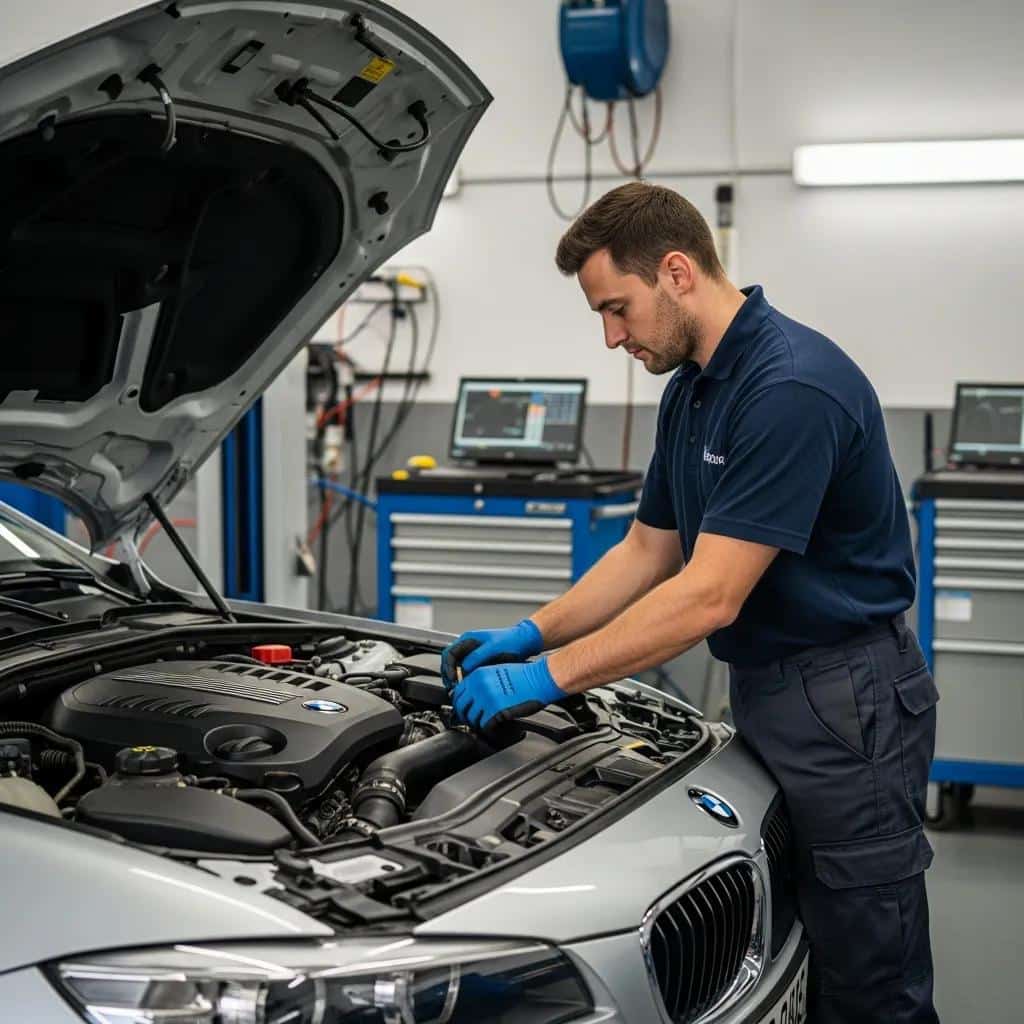
Auto diagnostics Long Island services help identify vehicle problems before repairs begin. Modern diagnostics use specialized scanning equipment, software and technician expertise to pinpoint faults accurately, saving drivers time, money and unnecessary part replacements.
For Long Island drivers, diagnostics have become more important than ever. Today’s cars contain dozens of sensors, computers and electronic systems that monitor everything from engine performance to braking, steering and emissions.
When something goes wrong, a proper diagnostic process helps determine the real cause rather than relying on guesswork.
What Are Auto Diagnostics Long Island Services?
Auto diagnostics Long Island services involve using advanced diagnostic equipment to communicate with your car’s onboard computer systems. These systems continuously monitor car performance and store fault codes whenever a problem is detected.
Think of diagnostics as a health check for your vehicle. Instead of replacing parts based on symptoms alone, technicians gather data, test systems and identify the exact issue before recommending repairs.
A driver commuting daily on the Long Island Expressway (I-495) might notice their check engine light appear during rush hour traffic. Without diagnostics, the problem could be anything from a loose gas cap to a failing sensor or fuel system issue.
A diagnostic scan narrows the possibilities and guides the repair process.
Modern diagnostics can assess:
- Engine performance
- Transmission systems
- ABS braking systems
- Airbag systems
- Emissions controls
- Battery and charging systems
- Steering and suspension electronics
- Hybrid vehicle systems
- Advanced driver assistance features
Diagnostics helps mechanics find the exact issue so they avoid wasting time working on perfectly fine car elements and save you from wasting money.
Why Diagnostics Are a Must for Modern Cars
Cars today are significantly more complex than those built even 15 years ago.
Most modern cars contain dozens of electronic control modules connected through computer networks. These systems constantly communicate with each other to optimize performance, efficiency and safety.
A car driven daily between Huntington and Garden City may experience an intermittent warning light that only appears during heavy traffic. The issue may not be obvious during a visual inspection.
Diagnostic equipment allows technicians to access stored fault codes and operating data that reveal what’s happening behind the scenes.
Without diagnostics, repairs often become educated guesses.
That creates several problems:
- Unnecessary parts replacement
- Higher repair costs
- Longer repair times
- Repeat visits for unresolved issues
- Increased vehicle downtime
Proper diagnostics reduce uncertainty and improve repair accuracy.
Common Signs You Need Auto Diagnostics
Many drivers assume diagnostics are only necessary when a check engine light appears. There are many situations where diagnostic testing is beneficial.
Common warning signs include:
- Check engine light
- ABS warning light
- Airbag warning light
- Battery warning light
- Reduced fuel economy
- Rough idling
- Stalling
- Poor acceleration
- Transmission shifting problems
- Unusual engine noises
- Difficulty starting
A driver in Patchogue may notice their car feels sluggish when accelerating onto Sunrise Highway (NY-27). No warning lights are on, but change in performance is noticeable. Diagnostics can often reveal sensor issues or fuel system faults before they become more serious.
What Happens During a Diagnostic Appointment?
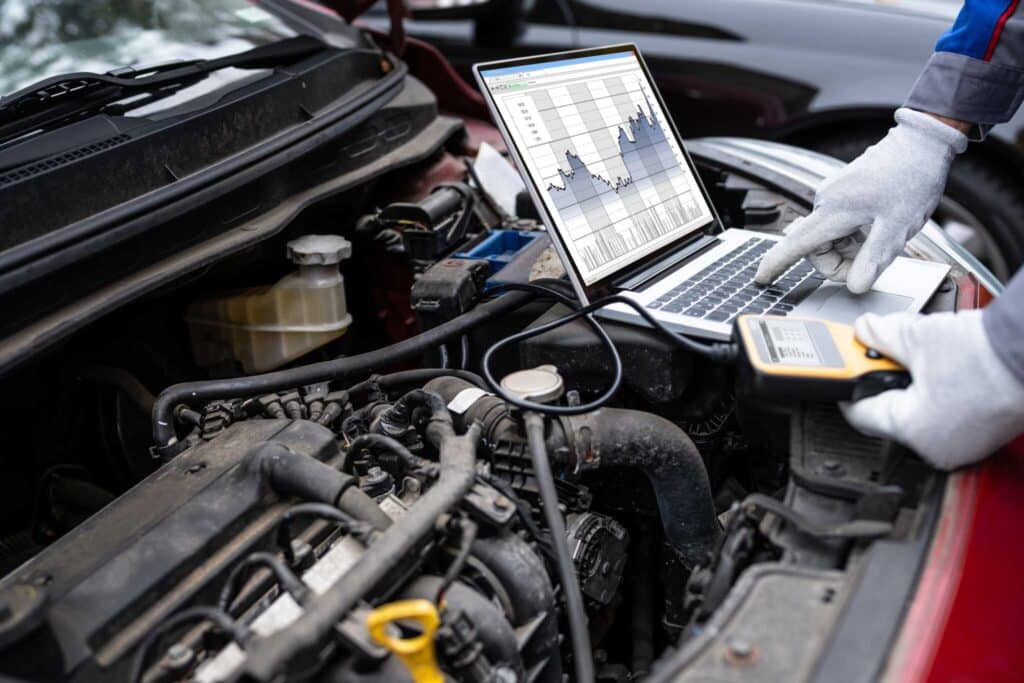
Many drivers wonder what technicians actually do during a diagnostic inspection. The process involves much more than plugging in a scanner and reading a code.
A professional diagnostic appointment typically includes:
Initial Discussion
The technician gathers information about symptoms, driving conditions and car history.
Questions often include:
- When did the problem start?
- Is the issue constant or intermittent?
- Does it occur during acceleration, braking or idling?
- Have any warning lights appeared?
Computer System Scan
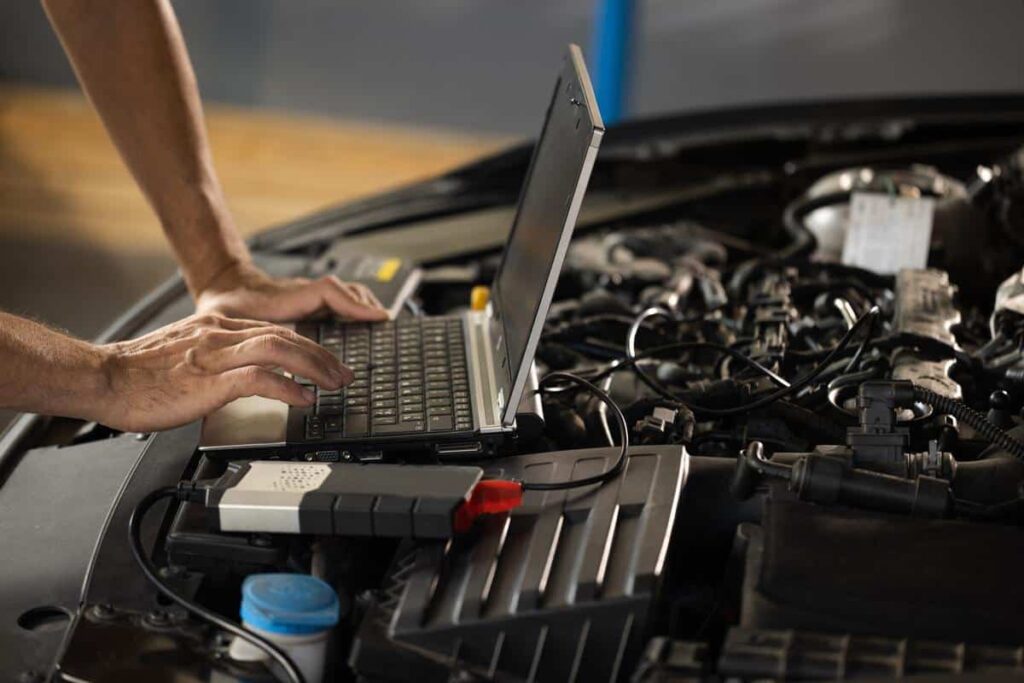
Specialized equipment connects to the car’s onboard diagnostic system.
The technician reviews:
- Active fault codes
- Pending fault codes
- Historical fault data
- Sensor readings
- System performance information
Physical Inspection
Fault codes alone rarely tell the complete story.
Technicians often inspect:
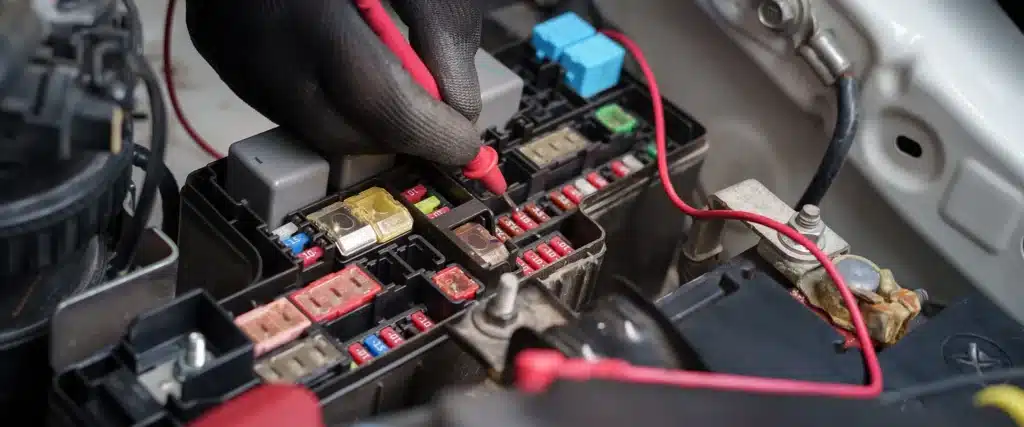
- Wiring connections
- Hoses and belts
- Battery condition
- Sensors
- Fluid levels
- Mechanical components
Road Testing
Many problems only occur under specific driving conditions.
A technician may test the car on local roads to recreate symptoms and gather live operating data.
Diagnosis and Recommendations
Once testing is complete, the technician would explain the findings and recommend repairs and next steps.
Understanding Check Engine Lights
The check engine light is one of the most common reasons Long Island drivers seek diagnostics. Unfortunately, it’s also one of the most misunderstood warning indicators.
A check engine light doesn’t tell you what is wrong. It only tells you that the car’s computer has detected an issue requiring attention.
Potential causes include:
- Loose gas cap
- Oxygen sensor failure
- Ignition coil issues
- Spark plug problems
- Fuel system faults
- Emissions system failures
- Air intake problems
- Sensor malfunctions
A driver travelling regularly between Smithtown and Hauppauge might see the light appear after refuelling. The issue could be as simple as a loose fuel cap or as complex as an evaporative emissions system leak.
Why Long Island Driving Conditions Increase Diagnostic Needs
Long Island creates unique driving conditions that can accelerate wear and trigger system faults. Daily driving, heavy traffic and frequent stop-and-go commuting can put extra strain on your vehicle.
Routes such as:
- Long Island Expressway (I-495)
- Northern State Parkway
- Southern State Parkway
- Sunrise Highway
- Meadowbrook State Parkway
- Hempstead Turnpike
often involve heavy congestion, repeated braking and long periods of idling.
These conditions increase stress on:
- Braking systems
- Cooling systems
- Batteries
- Sensors
- Fuel systems
- Emissions components
Winter weather creates additional challenges. Road salt, moisture and temperature fluctuations can affect electrical connections and sensor performance.
Can Diagnostics Save Money?
Yes, in many cases, diagnostics can save you money in the long run.
A lot of major repairs start as small problems that are easy and affordable to fix when caught early. The challenge is that many car issues don’t seem serious at first, so drivers often put them off.
A diagnostic inspection can help find the root cause early, before it turns into a bigger problem.
Some of the biggest benefits of diagnostics include:
- Finding problems before they get worse
- Avoiding unnecessary parts replacements
- Reducing the chances of repeat repair visits
- Making repairs more accurate
- Helping maintain your vehicle’s value
In most cases, paying for a diagnostic check is far less expensive than dealing with a major repair that could have been prevented.
Auto Diagnostics vs Code Reading
Many drivers think these two things are the same, but they’re very different.
A code reader only pulls the fault codes stored in your car’s computer. It tells you what system is reporting a problem, but it doesn’t explain why the problem is happening.
A full diagnostic service goes much further and includes:
- Reading and analysing fault codes
- Checking live vehicle data
- Testing different systems
- Inspecting parts and components
- Using technician experience to find the real cause
A code reader might show an oxygen sensor fault code. At first glance, it may seem like the sensor needs replacing. But a technician carrying out proper diagnostics may find that the sensor is working perfectly and that the actual problem is a vacuum leak causing incorrect readings.
A fault code tells you where to start looking. Diagnostics help find the real problem that needs fixing.
Common Questions About Auto Diagnostics in Long Island
How long does a diagnostic inspection take?
Simple diagnostics may take less than an hour. More complex intermittent issues can require additional testing and road evaluation.
Can diagnostics identify every problem?
Most issues can be identified through proper testing, although intermittent faults sometimes require extended monitoring.
Is it safe to drive with a check engine light?
It depends on the cause. A steady light may indicate a less urgent issue, while a flashing light often signals a more serious problem that requires immediate attention.
How often should diagnostics be performed?
Diagnostics are typically performed when warning lights appear, performance changes occur or unusual symptoms develop.
Do diagnostics work on all vehicle makes and models?
Professional diagnostic equipment supports most domestic, European and Asian cars.
Can diagnostics improve fuel economy?
Indirectly, yes. Identifying faulty sensors, fuel system issues or emissions problems can restore normal efficiency.
Why does my warning light turn off by itself?
Some faults occur intermittently. The system may stop displaying the warning temporarily while still storing fault information that diagnostics can retrieve.
Can cold weather trigger warning lights?
Yes. Low temperatures can affect batteries, sensors and electrical connections, particularly during Long Island winters.
Choosing an Auto Diagnostics Shop on Long Island
Not all diagnostic services provide the same level of accuracy.
When selecting a shop, look for:
- Modern diagnostic equipment
- Experienced technicians
- Clear explanations
- Transparent pricing
- Strong local reputation
- Experience with your vehicle type
The best diagnostic process combines technology with technician expertise.
Get Professional Auto Diagnostics with MB Automotive
If your car has a warning light, feels different to drive, or is not performing as it should, a diagnostic check can help find the cause quickly. Modern cars rely on many sensors and computer systems, making accurate testing essential.
At MB Automotive, our auto diagnostics Long Island service helps identify the real issue before repairs begin, helping you avoid unnecessary costs and keep your vehicle running safely on Long Island roads. Our experienced team combines advanced diagnostic technology with hands-on expertise to deliver accurate answers and honest recommendations.
Contact MB Automotive today to schedule a diagnostic inspection and get back on the road with confidence.