
September 30, 2026
Engine Diagnostics Long Island: What You Need To Know
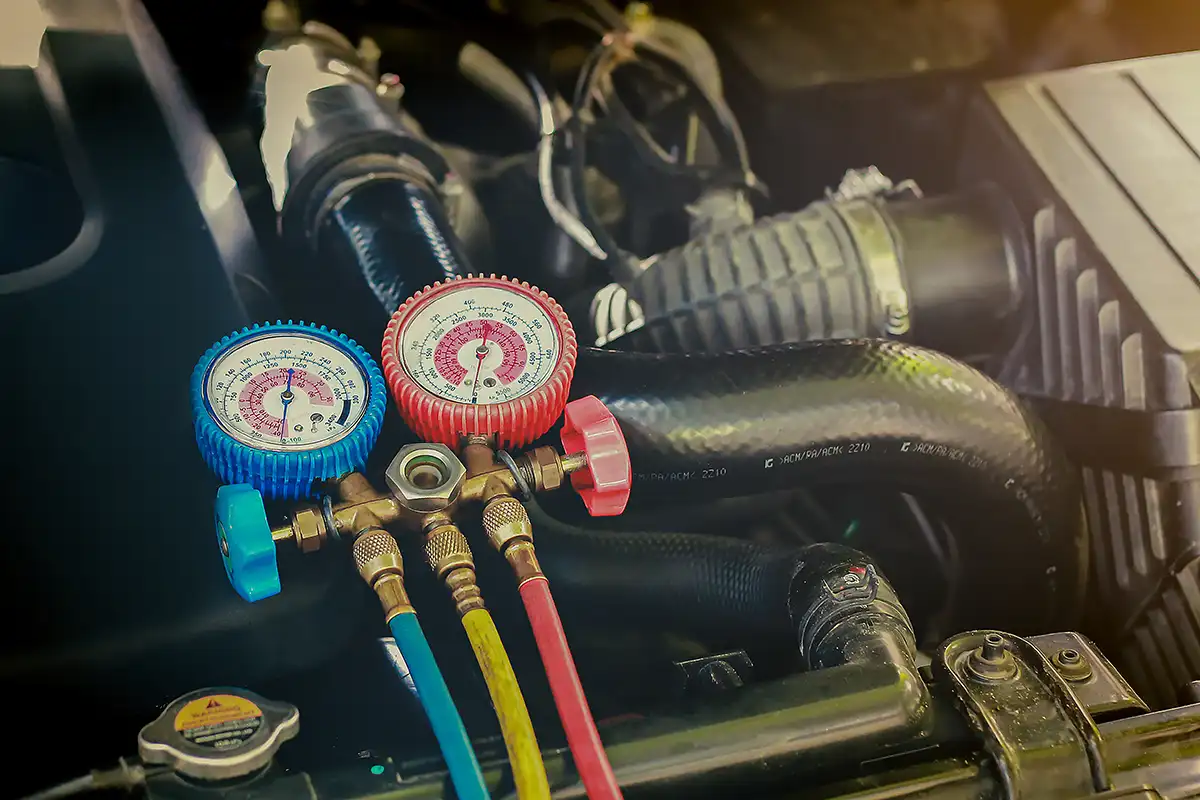
If your check engine light comes on, your vehicle starts running differently, or you notice symptoms you cannot explain, engine diagnostics can help identify what is actually happening. Modern vehicles use onboard computer systems to monitor engine and emissions-related components and can store diagnostic trouble codes when a problem is detected.
Engine diagnostics Long Island services can help you move from a warning light or unusual symptom to a clearer understanding of the problem. Knowing when diagnostics are necessary, what the process involves, and what affects the cost can help you make a more informed repair decision.
What Are Engine Diagnostics?
Engine diagnostics use your vehicle’s onboard computer and other testing methods to identify potential problems with the engine and related systems. A diagnostic scan can retrieve diagnostic trouble codes, but the code itself does not necessarily identify the exact failed part.
When a vehicle detects certain faults, its onboard diagnostics system can store a diagnostic trouble code and illuminate the check engine light. A technician uses this information as a starting point for further testing rather than simply replacing a component based on the code alone.
This distinction matters because the same code can sometimes be associated with several possible causes. Proper diagnosis involves interpreting the code alongside the vehicle’s symptoms, operating conditions, sensor information, and additional test results.
When Do You Need Engine Diagnostics Long Island Services?
You may need engine diagnostics when your vehicle displays a warning light or develops symptoms that suggest an underlying mechanical, electrical, or emissions-related problem. Diagnostics can also be useful when a problem is intermittent and difficult to identify through a visual inspection alone.
Common situations that may justify diagnostic testing include:
- A check engine light that remains illuminated
- An engine that runs roughly or misfires
- Difficulty starting the vehicle
- Unexpected loss of power
- Poor acceleration or unusual engine behavior
- Unexplained changes in fuel economy
- Stalling while driving or at idle
- Warning lights accompanied by unusual vehicle behavior
- A recurring problem that has not been resolved after a previous repair
A steady check engine light generally indicates that the vehicle’s onboard diagnostic system has detected a fault that needs attention. A flashing light or serious drivability symptoms can indicate a more urgent situation, so you should avoid continuing to drive if doing so appears unsafe.
What Happens During An Engine Diagnostic?
A diagnostic appointment typically begins with a conversation about what you have noticed. The symptoms, when they occur, and any recent repairs or maintenance can provide important clues.
The vehicle can then be connected to diagnostic equipment through its data link connector. The equipment communicates with the vehicle’s onboard computer and can retrieve stored diagnostic trouble codes and other available information.
The next step is interpreting those results. A diagnostic code points toward a system or condition that requires investigation. It does not automatically mean that the corresponding sensor, component, or part needs to be replaced.
Additional testing may be necessary to determine the underlying cause. Depending on the symptoms, that can include checking electrical connections, sensors, ignition components, fuel-related systems, vacuum leaks, or other components associated with the reported fault.
Once the cause is identified, you can make a more informed decision about the repair rather than replacing parts based solely on a dashboard warning.
What Does An Engine Diagnostic Cost?
There is no single number for an engine diagnostics Long Island cost because diagnostic work can vary depending on the vehicle, the symptoms, the complexity of the problem, and how much testing is required. A basic code scan and a more involved diagnostic investigation are not necessarily the same service.
Some repair shops charge separately for diagnostic time, while others may apply diagnostic charges differently when you proceed with repairs. The Federal Trade Commission recommends asking about diagnostic charges and requesting a written estimate before authorizing repair work.
Before scheduling diagnostics, ask:
- Is there a diagnostic fee?
- What does the diagnostic service include?
- Will additional testing require approval?
- Will the diagnostic charge be applied toward repairs?
- Will you receive an explanation of the findings before repairs begin?
The goal is not simply to find the lowest diagnostic price. A low-cost scan that gives you a code without identifying the underlying problem may not provide the information you actually need.
Why A Diagnostic Code Does Not Always Mean A Bad Part
One of the most common misconceptions about engine diagnostics is that a trouble code automatically tells you which part to replace. It does not.
A diagnostic trouble code identifies a condition or system that the vehicle has detected. For example, a code related to an oxygen sensor circuit does not necessarily mean the oxygen sensor itself has failed. Wiring, connections, other components, or the conditions being monitored may also need to be investigated.
That is why proper diagnosis matters. The scan provides information, while additional testing helps determine what that information means for your specific vehicle.
How To Choose An Engine Diagnostic Service
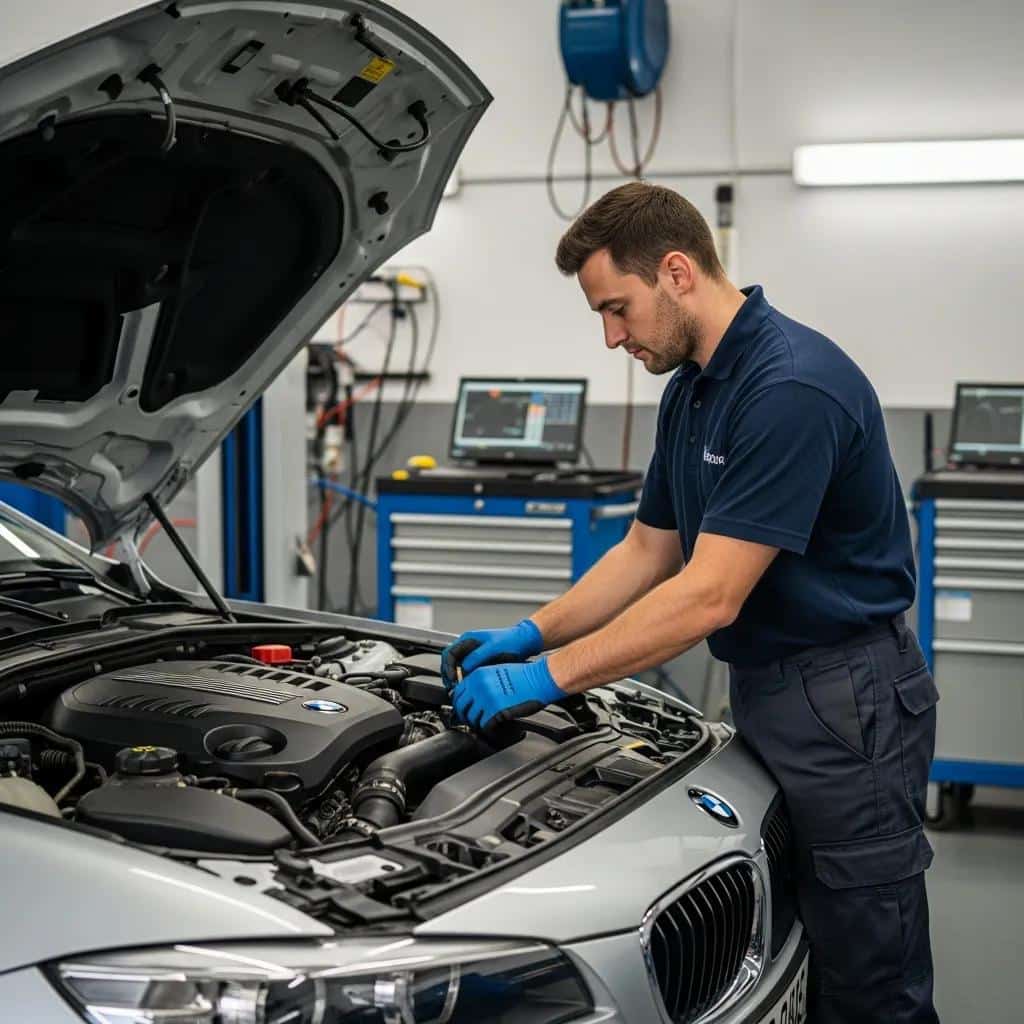
Choosing a diagnostic provider involves more than finding a shop that owns a scan tool. You want to know whether the technician has experience with your vehicle and can explain what the diagnostic findings mean before recommending repairs.
If you drive a European vehicle, experience with that type of vehicle can be particularly relevant because different manufacturers use different systems, components, and diagnostic procedures.
It is also reasonable to ask about technician qualifications, diagnostic charges, repair estimates, and whether you will be contacted before additional work is performed. The FTC recommends considering technician certifications and experience with your specific make or model when selecting an automotive repair provider.
When You May Not Need Engine Diagnostics
Not every warning or symptom requires immediate diagnostic testing, but preventive maintenance services should be regularly scheduled. For example, some basic issues may have a simple explanation that you can check first. If your check engine light has just appeared, you can make sure your fuel cap is properly secured, since a loose or missing cap can trigger an emissions-related warning on some vehicles.
However, you should not repeatedly clear a warning light without addressing the reason it appeared. If the light remains on, returns after disappearing, or is accompanied by drivability problems, professional diagnosis can help determine whether a more significant issue is present.
Common Mistakes to Avoid
A few common mistakes can make an engine problem more expensive or more difficult to diagnose. Knowing what to avoid can help you make better repair decisions.
- Replacing parts based only on a code: A trouble code identifies a detected condition, not necessarily the failed component. Have the underlying cause confirmed before authorizing unnecessary parts replacement
- Ignoring a recurring warning light: A light that disappears does not necessarily mean the underlying issue is permanently resolved. If the problem returns, have it investigated
- Waiting for symptoms to become severe: Some problems may be detected electronically before you notice obvious drivability symptoms. Delaying diagnosis can allow a developing issue to become more complicated
- Choosing a provider based only on scan price: A basic code reading may not provide the same value as a complete diagnostic process. Ask what is included before comparing prices
- Authorizing repairs without understanding the findings: Ask what was identified, what additional testing was performed, and why the recommended repair addresses the underlying problem

Frequently Asked Questions
How Long Does An Engine Diagnostic Take?
The time required depends on the symptoms and complexity of the problem. Reading diagnostic codes can be relatively quick, but identifying the underlying cause may require additional testing. A straightforward fault may be easier to isolate than an intermittent electrical or drivability problem.
Can A Check Engine Light Be Diagnosed Without Repairing The Car?
Yes. Diagnostic testing is used to identify and investigate a problem before repairs are performed. A scan can retrieve stored trouble codes and provide useful information, but additional testing may be needed to determine the actual cause. You can then decide whether and when to authorize repairs.
Does A Check Engine Light Always Mean An Engine Problem?
No. A check engine light can be triggered by faults involving emissions-related components, sensors, electrical systems, fuel systems, or other monitored conditions. The light indicates that the vehicle’s diagnostic system has detected a condition requiring investigation, not that the engine itself necessarily needs major repair.
Is A Diagnostic Scan The Same As An Engine Diagnostic?
Not necessarily. A scan retrieves information from the vehicle’s onboard computer, including diagnostic trouble codes. A complete diagnostic process can go further by interpreting those codes, evaluating symptoms, and performing additional tests to identify the underlying cause.
Should I Drive With The Check Engine Light On?
It depends on the warning and how the vehicle is operating. A steady light generally indicates that the vehicle needs attention, while a flashing light or serious symptoms can indicate a more urgent problem. If the vehicle is running poorly or appears unsafe to drive, stop driving and seek professional assistance.
What Should I Tell The Technician Before A Diagnostic?
Describe exactly what you have noticed and when it happens. Mention warning lights, unusual sounds, starting problems, changes in acceleration, stalling, changes in fuel economy, recent repairs, and when the problem first appeared. Even intermittent symptoms can provide useful diagnostic information.
Can A Diagnostic Test Prevent Unnecessary Repairs?
It can help reduce guesswork by providing information about the vehicle’s stored faults and operating systems. Proper diagnostic work can help distinguish between possible causes before parts are replaced. The purpose is to identify the underlying problem so repair decisions are based on evidence rather than assumptions.
Get Engine Diagnostics Long Island Services
If your vehicle is showing a warning light or symptoms you cannot explain, the next step is to identify the cause before deciding what needs to be repaired. Professional engine diagnostics can give you a clearer picture of what is happening and what should be addressed.
At MB Automotive, we provide full-service European auto repair in Bay Shore, NY, serving drivers across Suffolk and Nassau counties. Our ASE-certified technicians handle diagnostics, maintenance, and repairs for vehicles including BMW, Mercedes-Benz, Audi, Volvo, and other European makes, using OEM and OE-equivalent parts and focusing on clear communication and transparent pricing.
Don’t guess at the problem. Professional engine diagnostics Long Island services can identify what’s actually happening and help you understand the right next step.