
August 5, 2026
Engine Issues Auto Repair: What Every Car Owner Should Know
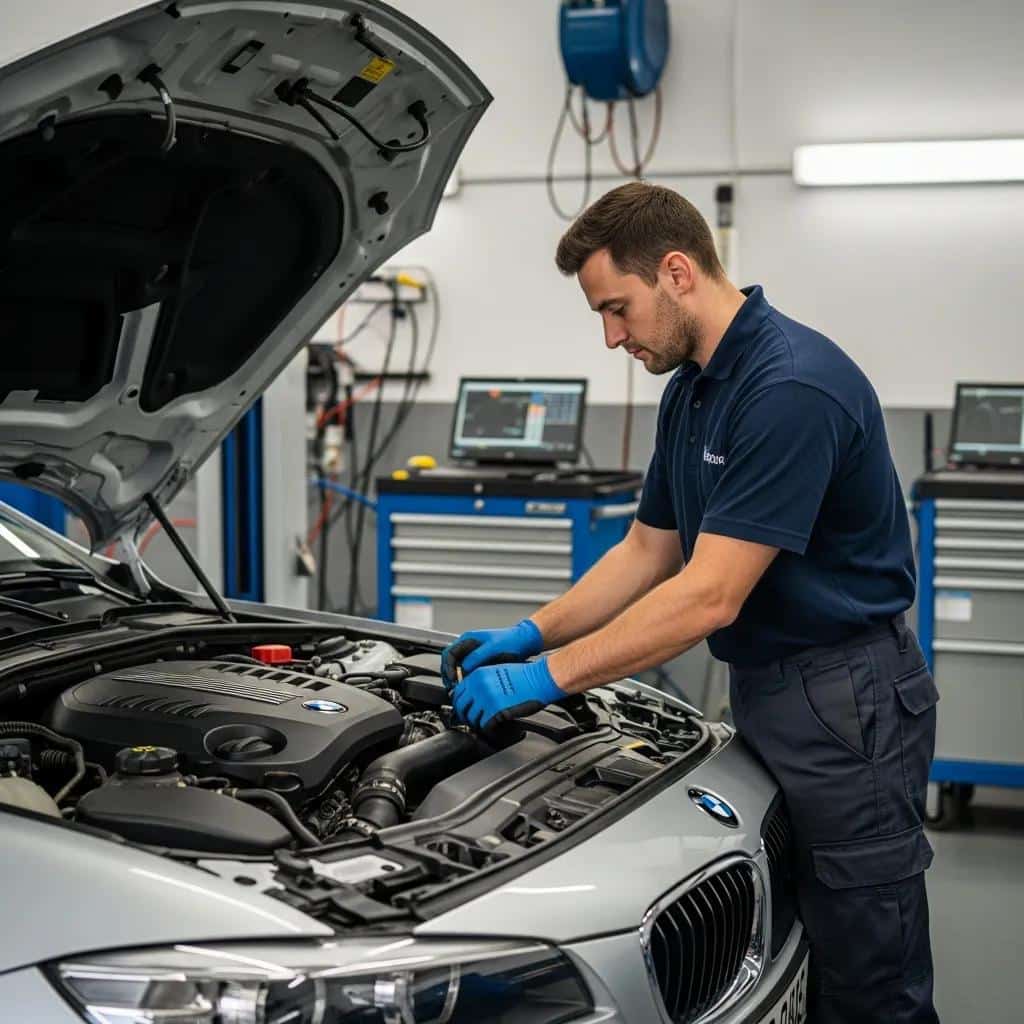
Engine problems rarely appear without warning. Your vehicle usually gives you signs long before it leaves you stranded on the side of Sunrise Highway or stuck in traffic on the Long Island Expressway. Understanding those warning signs can help you avoid larger repair bills, prevent breakdowns, and keep your vehicle reliable.
This guide explains the most common engine symptoms, what causes them, what repairs may involve, and when you should schedule an inspection. If you’re searching for answers about engine issues auto repair, you’ll know what to look for before a minor problem becomes a major one.
If your check engine light has come on, understanding how engine diagnostics identify faults can help you decide whether the problem needs immediate attention before additional damage occurs.
What Are the Most Common Engine Issues?
Most engine problems begin with small changes in how your vehicle drives, sounds, or performs. Catching these changes early often means simpler and less expensive repairs.
Modern vehicles rely on dozens of sensors to monitor engine performance. When something falls outside the expected range, your vehicle stores diagnostic trouble codes and may illuminate the check engine light.
Common engine issues include:
- Check engine light turning on
- Rough idling
- Engine misfires
- Poor acceleration
- Reduced fuel economy
- Oil leaks
- Coolant leaks
- Engine overheating
- Knocking or ticking noises
- Excessive exhaust smoke
Ignoring these symptoms gives small mechanical problems time to become serious engine damage.
What Does the Check Engine Light Mean?
The check engine light tells you that your vehicle’s computer has detected a fault. It does not automatically mean the engine is about to fail. However, if your check engine light turns on unexpectedly, don’t ignore it.
A steady light often indicates a problem that should be diagnosed soon. A flashing check engine light usually signals an active engine misfire that can quickly damage the catalytic converter if you continue driving.
The only reliable way to determine the cause is through professional diagnostic testing rather than guessing or replacing parts one at a time.
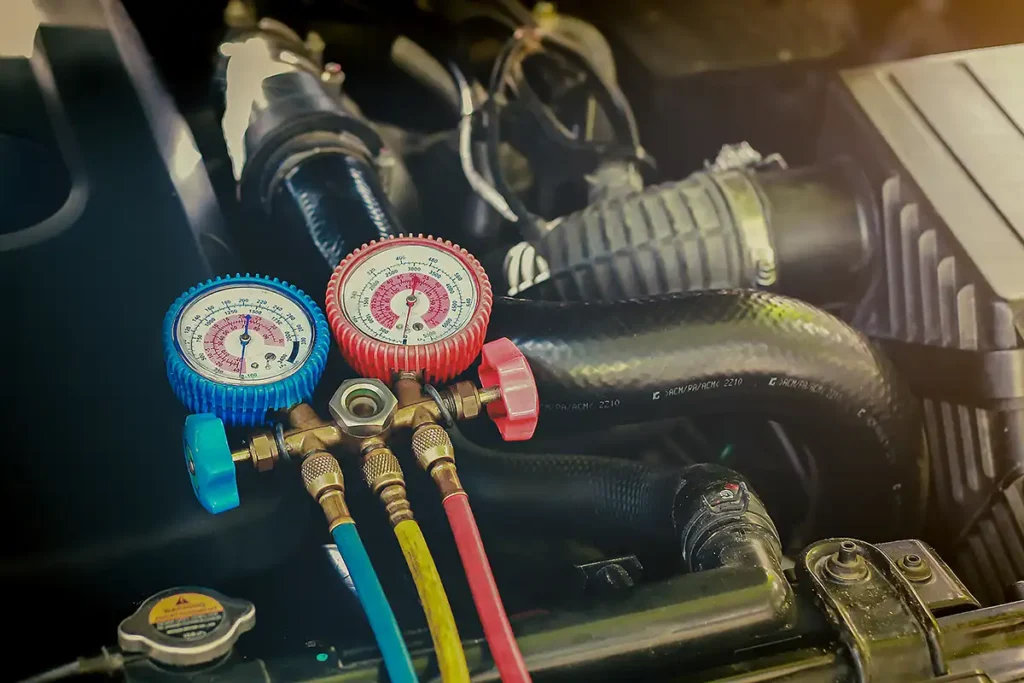
Engine Sounds You Should Never Ignore
Your engine develops a normal operating sound over time. Once you become familiar with it, strange car noises while driving are much easier to recognize.
Knocking
A knocking sound can indicate improper combustion, worn internal engine components, or fuel-related problems. Continuing to drive with engine knock can lead to expensive internal damage.
Ticking
Light ticking may come from the valve train or low engine oil. If the noise becomes louder or appears suddenly, have it inspected promptly.
Squealing
High-pitched squealing often points to a worn serpentine belt, failing pulley, or accessory component. While the engine itself may still be healthy, belt failure can leave you without power steering, charging, or cooling.
Grinding
Grinding noises should never be ignored. They can indicate severe mechanical wear or damaged internal components that require immediate inspection.
Performance Changes That Point to Engine Problems
Engine issues don’t always present themselves through loud or strange noises. Sometimes, you’ll get a gut feeling that something is off than usual.
Pay attention if you notice:
- Slower acceleration than usual
- Engine hesitation while merging
- Rough idle at traffic lights
- Increased fuel consumption
- Hard starting
- Engine stalling
- Reduced power climbing hills
Many Long Island drivers spend considerable time in stop-and-go traffic. Those driving conditions place extra strain on ignition systems, cooling systems, and engine sensors, making small issues more noticeable over time.
Why Engines Overheat
An overheating engine should always be treated as an urgent problem.
Common causes include:
- Low coolant
- Cooling system leaks
- Failed thermostat
- Water pump failure
- Radiator blockage
- Cooling fan malfunction
If your temperature gauge climbs into the red, pull over safely and turn the engine off. Continuing to drive an overheated engine can warp cylinder heads, damage head gaskets, or even destroy the engine.
What Different Exhaust Smoke Colors Mean
Exhaust smoke often provides clues about what’s happening inside your engine.
| Smoke Color | Possible Meaning |
| White | Coolant entering the combustion chamber or condensation during cold starts |
| Blue | Engine burning oil |
| Black | Too much fuel entering the engine or an air-fuel mixture problem |
Small amounts of vapor during cold mornings can be normal. Persistent smoke demands professional diagnosis.
Can You Keep Driving With Engine Problems?
Sometimes you can safely drive a short distance to a repair shop. Other situations require stopping immediately.
You should avoid driving if you experience:
- Flashing check engine light
- Engine overheating
- Heavy knocking sounds
- Significant power loss
- Thick smoke from the exhaust
- Oil pressure warning light
If the vehicle drives normally and only the check engine light is on steadily, scheduling an inspection soon is often appropriate. Delaying the diagnosis for weeks or months, however, increases the chance of secondary damage.
What Does Engine Diagnostics Involve?
Professional engine diagnostics go far beyond reading a code from a handheld scanner.
A complete inspection may include:
- Reading diagnostic trouble codes
- Reviewing live sensor data
- Checking fuel system performance
- Testing ignition components
- Inspecting vacuum leaks
- Measuring battery and charging system performance
- Verifying engine mechanical condition
- Road testing when appropriate
This process helps identify the actual cause rather than replacing parts based on assumptions.
What Does Engine Repair Cost?
Engine repair costs vary because the underlying problem determines the work involved.
Engine repair costs vary depending on several factors, including the type of engine problem, your vehicle’s make and model, the labor required to complete the repair, and whether OEM or OE-equivalent replacement parts are needed.
The final cost can also increase if the original issue has caused damage to additional components, making early diagnosis one of the best ways to keep repair costs under control.
Some repairs involve replacing a single sensor or ignition component. Others may require extensive mechanical repairs if the problem has been ignored for too long.
The best way to understand your auto repair costs in Long Island is through an accurate diagnostic inspection before any work begins.
How You Can Prevent Many Engine Problems
Routine maintenance remains one of the least expensive ways to avoid major engine repairs.
Regular maintenance includes changing your engine oil at the recommended intervals, replacing air filters, monitoring coolant levels, and installing new spark plugs according to your manufacturer’s maintenance schedule.
It’s also important to address oil or coolant leaks as soon as they appear and never ignore dashboard warning lights, as these early signs can help prevent more serious and expensive engine repairs.
Seasonal temperature changes, frequent short trips, and heavy commuter traffic across Suffolk and Nassau counties all increase engine wear over time. Preventive maintenance helps reduce that wear.
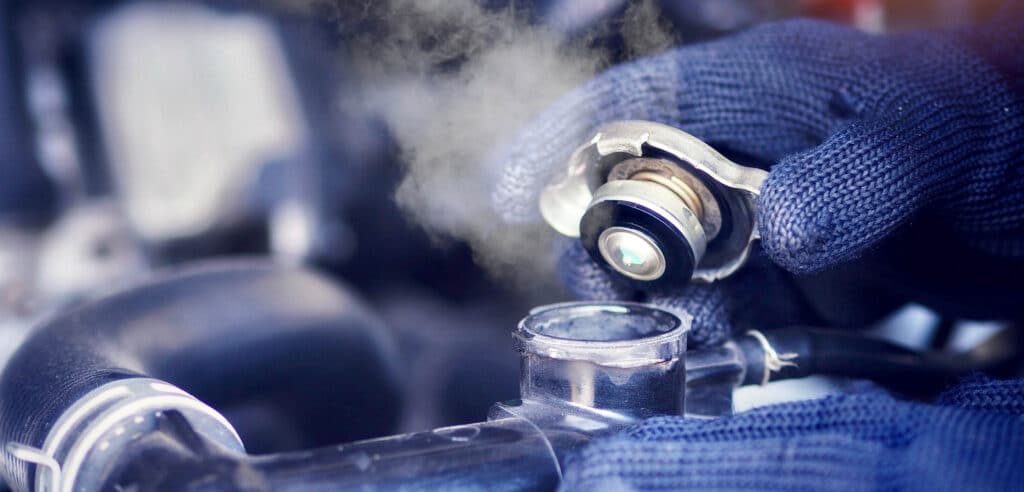
Common Mistakes to Avoid
Many engine problems become significantly more expensive because of simple mistakes that are easy to avoid.
Recognizing these common habits can help you catch issues earlier, reduce repair costs, and extend the life of your engine.
- Ignoring the check engine light: Waiting weeks before diagnosing the problem can allow small faults to damage other components and increase repair costs
- Continuing to drive an overheating vehicle: High engine temperatures can quickly cause severe internal engine damage that could have been prevented by stopping safely
- Assuming unusual noises will disappear: Knocking, ticking, or grinding sounds usually indicate mechanical issues that worsen over time
- Skipping regular oil changes: Dirty or low engine oil increases friction and accelerates wear throughout the engine
- Replacing parts without proper diagnostics: Guessing often results in unnecessary expenses while the original problem remains unresolved
- Ignoring fluid leaks: Small oil or coolant leaks often become larger repairs if left unattended
Frequently Asked Questions
Can a check engine light turn off by itself?
Yes. Some temporary faults disappear after several drive cycles, causing the light to turn off. Even if the light goes away, diagnostic codes may remain stored. Having the vehicle inspected can confirm whether the issue has been resolved or if an intermittent problem still exists.
How long can you drive with the check engine light on?
That depends on the cause. A steady light may allow limited driving if the vehicle performs normally, but you should arrange a diagnostic inspection soon. A flashing light usually indicates a severe misfire, and continuing to drive risks expensive catalytic converter damage.
Why does my engine shake while idling?
Engine vibration at idle often points to ignition problems, worn spark plugs, failing ignition coils, vacuum leaks, or fuel delivery issues. Engine mounts can also contribute to noticeable vibration. A proper diagnosis identifies the exact source instead of replacing parts unnecessarily.
Does cold weather affect engine performance?
Yes. Lower temperatures can make batteries weaker, engine oil thicker, and ignition systems work harder during startup. Cold weather may also expose existing sensor, fuel, or electrical problems that were less noticeable during warmer months.
Is engine diagnostics worth paying for?
Professional diagnostics often save money because they identify the root cause before repairs begin. Replacing random parts based on guesses frequently costs more than performing accurate testing first.
What is the difference between engine diagnostics and engine repair?
Engine diagnostics identify the cause of a problem through testing and inspection. Engine repair is the work completed after the fault has been correctly diagnosed. Accurate diagnostics help prevent unnecessary repairs and reduce repeat visits.
Book an Engine Inspection Before a Small Problem Becomes a Major Repair
If your vehicle has warning lights, unusual noises, poor performance, or other symptoms, having it inspected early is usually the smartest next step.
At MB Automotive, we provide trusted engine issues auto repair for drivers throughout Suffolk and Nassau counties from our full-service European auto repair shop in Bay Shore, NY. Our ASE-certified technicians use advanced diagnostic equipment and OEM or OE-equivalent parts to accurately identify engine problems and complete repairs for BMW, Mercedes-Benz, Audi, Volvo, and other European vehicles. You’ll receive honest recommendations and transparent pricing, so you can make informed decisions with confidence.
Don’t wait for a minor engine issue to leave you stranded. Book an engine inspection today and get the answers you need to keep your vehicle running at its best.