
July 22, 2026
What to Do Immediately When Your Check Engine Light Turns On Unexpectedly
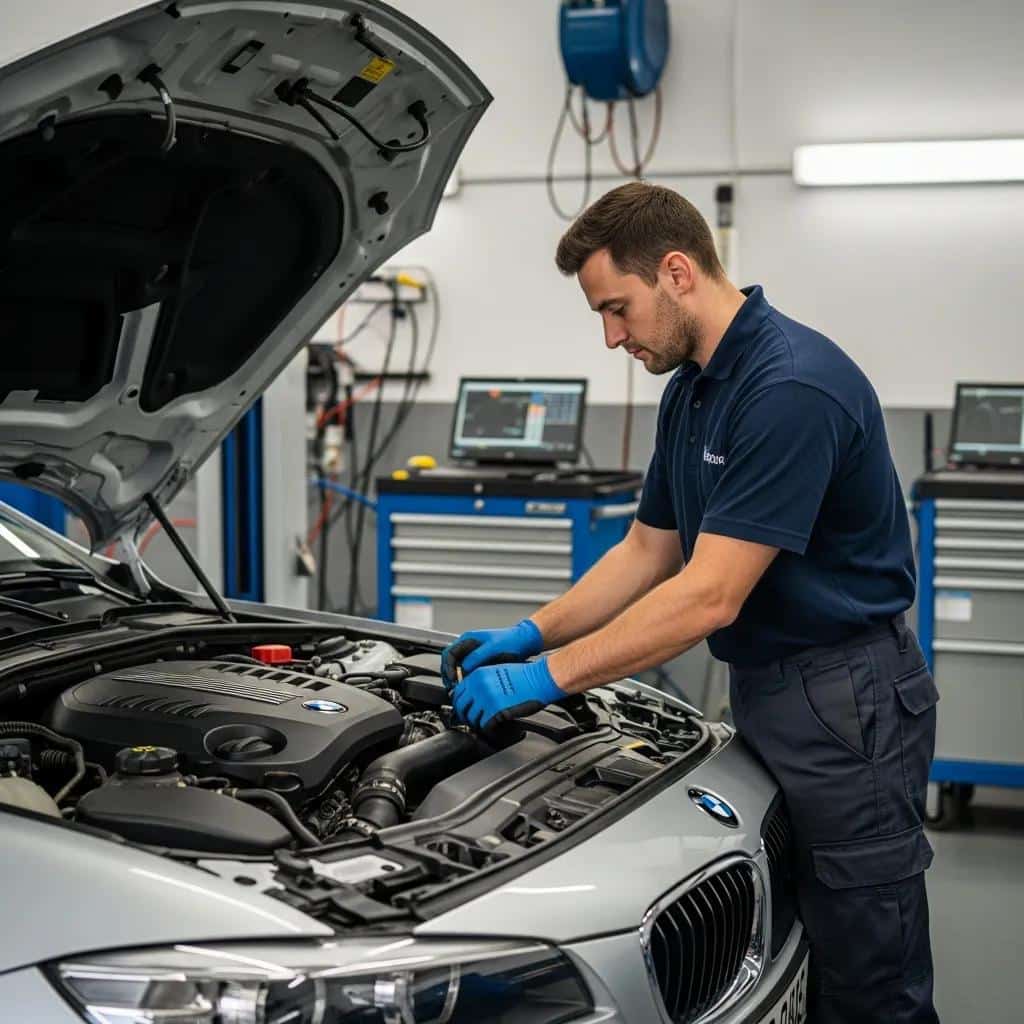
When a check engine light turns on unexpectedly, the right response is not to panic, but to understand what the warning means and take the correct next steps. For Long Island drivers, a check engine light can appear at any time. You might see it while commuting on the Long Island Expressway (I-495), driving through Nassau County traffic or heading east towards Suffolk County on Sunrise Highway.
The important thing is knowing when you can continue driving and when you need immediate attention. Because ignoring the warning may allow a small issue to develop into a larger repair. Understanding what to do after the light appears helps protect your vehicle and avoid unnecessary costs.
What Does It Mean When Your Check Engine Light Turns On Unexpectedly?
When a check engine light turns on unexpectedly, it means your vehicle’s onboard computer has detected a problem and stored a diagnostic trouble code. The light does not tell you the exact issue. It only signals that something needs to be inspected.
Modern vehicles use multiple sensors and control modules to monitor engine performance, fuel efficiency, emissions and other systems. When one reading falls outside the expected range, the vehicle records the information and alerts the driver.
A driver commuting from Huntington to Melville may notice the check engine light appear during their morning drive. The vehicle may still perform as usual, but the cause could range from a simple issue like a loose petrol cap to a faulty oxygen sensor or ignition problem.
The first step is understanding the type of warning you are seeing.
A check engine light can appear as:
- A steady yellow or orange light
- A flashing check engine light
- A warning combined with other dashboard alerts
Each situation needs drivers to act differently.
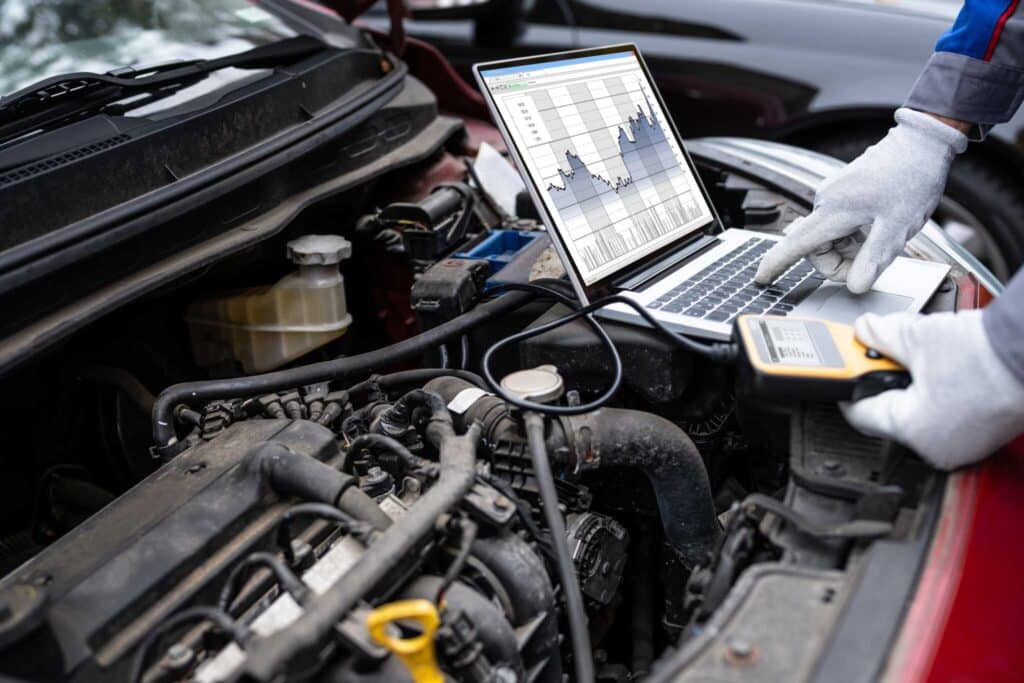
Check If the Check Engine Light Is Flashing or Solid
The first thing to check is whether the light is steady or flashing.
A solid check engine light usually means the vehicle has detected an issue that needs attention but may not require immediate stopping. However, it should still be diagnosed soon.
A flashing check engine light is more serious. It often means a problem that could cause significant engine damage if you continue driving.
A driver travelling on the Northern State Parkway may notice the check engine light flashing while the vehicle begins shaking or losing power. In this situation, continuing the journey could make the damage worse.
If the light is flashing:
- Reduce speed safely
- Avoid heavy acceleration
- Pull over if the vehicle feels unsafe
- Arrange an inspection as soon as possible
If the light is solid:
- Check whether the vehicle feels normal
- Schedule a diagnostic inspection
- Monitor for changes in performance
Check for Simple Issues Before Assuming the Worst
Not every check engine light indicates a major repair. Sometimes the cause is a small issue that drivers can identify quickly. The most common example is a loose fuel cap.
The fuel system relies on proper pressure to operate correctly. If the cap is not tightened after refuelling, the vehicle may detect an emissions system leak and trigger the warning light.
Before scheduling a repair, check that the fuel cap is properly tightened, think about any recent changes after refuelling, and look for signs such as unusual smells, visible leaks or changes in vehicle performance. If the vehicle starts running differently, loses power or develops new symptoms, those details can help identify the cause faster.
If tightening the fuel cap does not resolve the issue after several driving cycles, a professional diagnostic inspection is still recommended to find the actual problem.
Pay Attention to Other Symptoms
The check engine light itself does not provide enough information. Drivers should also pay attention to how the vehicle is behaving.
Additional symptoms can help technicians identify the likely cause faster. Pay attention to changes such as rough idling, reduced acceleration, poor fuel economy, engine shaking, strange noises, difficulty starting, burning smells or smoke coming from the vehicle.
These details provide important information about what may be happening and help guide the diagnostic process.
Avoid Ignoring the Warning Light
One of the biggest mistakes drivers make is waiting too long after the check engine light appears.
A vehicle may continue running for days or even weeks while hiding an issue that is gradually becoming worse.
Ignoring the warning can lead to:
- Higher repair costs
- Reduced fuel economy
- Additional component damage
- Unexpected breakdowns
- Failed emissions testing
The check engine light is designed to provide an early warning. Acting early usually provides more repair options.
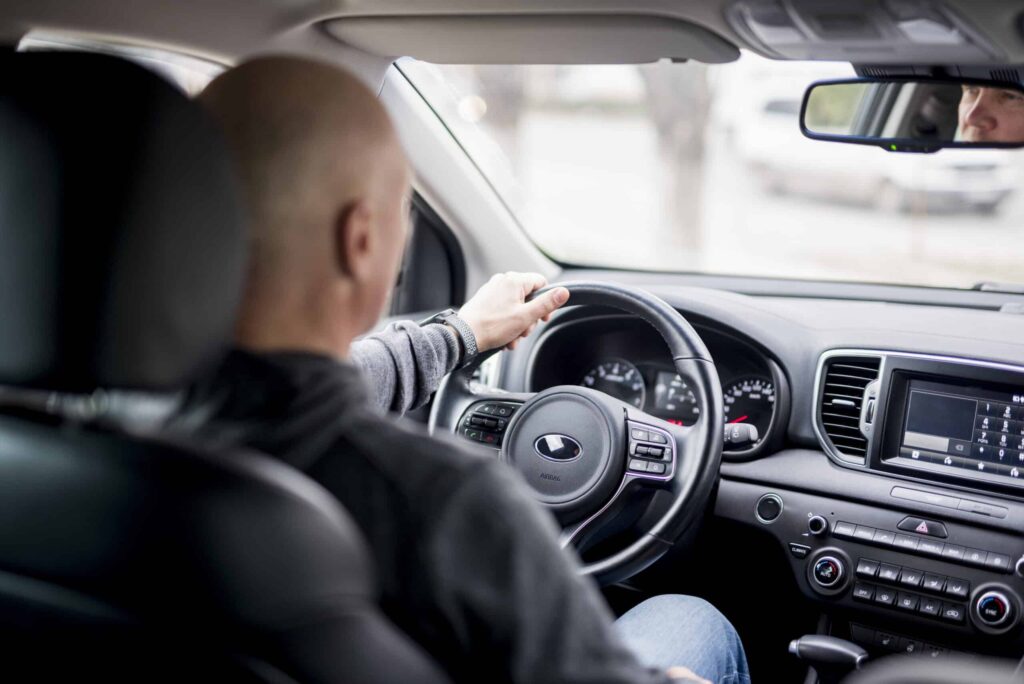
Schedule Professional Diagnostics to Find the Real Problem
An engine diagnostic inspection is the most reliable way to understand why the warning light appeared.
Many drivers assume a diagnostic scan simply reveals the answer immediately. In reality, the scan provides information that technicians interpret alongside physical inspections and testing.
A diagnostic process may include:
- Reading stored trouble codes
- Checking live sensor data
- Inspecting related components
- Testing vehicle systems
- Confirming the root cause
Replacing parts based only on a code can lead to unnecessary expenses. Proper diagnostics identify the actual cause before any repairs begin.
Do Not Reset the Check Engine Light Without Finding the Cause
Some drivers try to turn off the check engine light by disconnecting the battery or using a code scanner to clear the warning. While this may remove the light temporarily, it does not fix the problem.
The warning usually returns if the issue has not been repaired. Clearing the code can also remove valuable information that helps technicians identify what happened.
Avoid clearing warning codes without finding the cause, replacing parts based only on internet searches or ignoring the light because it disappears temporarily.
Common Causes of a Check Engine Light
A check engine light can appear for many different reasons. Some issues are simple, while others require professional repairs.
Common causes include:
- Loose or damaged fuel cap
- Faulty oxygen sensor
- Worn spark plugs
- Ignition coil problems
- Catalytic converter issues
- Mass airflow sensor problems
- Fuel injection issues
- Vacuum leaks
- Emissions system faults
The warning light provides a signal, but diagnostics identify the actual problem.
How Long Can You Drive After the Check Engine Light Appears?
There is no single answer because it depends on what triggered the warning.
A vehicle with a solid check engine light and no unusual symptoms may be safe for short-term driving while waiting for an inspection. However, continuing to drive for weeks without checking the issue can increase the chance of additional damage.
Drivers should avoid continuing to drive if they notice:
- Flashing check engine light
- Loss of engine power
- Overheating
- Strong fuel smells
- Heavy shaking
- Smoke from the vehicle
- Unusual engine noises

How Much Does Check Engine Light Diagnosis Cost?
The cost of diagnosing a check engine light depends on the vehicle, the complexity of the issue and the testing required. Simple scans may be quick, while more complex problems need additional inspection.
Factors like the vehicle model, systems affected, testing time, equipment needed and technician expertise can all influence the cost. Accurate diagnostics help prevent unnecessary repairs and replacing parts that do not fix the issue.
Frequently Asked Questions
Can I drive if my check engine light turns on unexpectedly?
It depends on how the vehicle feels and whether the light is flashing or steady. A steady light with normal driving behaviour usually requires a scheduled inspection, while a flashing light or performance problems require immediate attention.
Why did my check engine light turn on but the car feels normal?
Many vehicle problems begin before noticeable symptoms appear. Sensors can detect changes in engine performance, emissions or fuel systems before drivers feel any difference while driving.
Will the check engine light turn off by itself?
Sometimes the light may disappear if the issue was temporary, but the vehicle may still store the fault information. A diagnostic check can confirm whether the problem has actually been resolved.
Can a dead battery cause a check engine light?
A weak battery or electrical issue can sometimes trigger warning lights because vehicle computers rely on stable electrical power. Proper testing can determine whether the battery or another system caused the warning.
Is a check engine light always an expensive repair?
No. Some causes are simple and inexpensive, such as a loose fuel cap or minor sensor issue. Others may require larger repairs, which is why diagnosis is important before assuming the cost.
How quickly should I check my vehicle after the light appears?
Drivers should schedule an inspection as soon as possible, especially if the light stays on. Addressing issues early can prevent additional damage and more expensive repairs.
Can I pass inspection with a check engine light on?
In many cases, a vehicle with an active check engine light will not pass emissions testing. Drivers should resolve the underlying issue before attempting inspection.
Get Your Check Engine Light Diagnosed by MB Automotive
When a check engine light turns on unexpectedly, it is your vehicle’s way of telling you that something needs attention. Ignoring the warning may allow a small issue to become a larger and more expensive repair.
For Long Island drivers, professional diagnostics provide a clear answer instead of guesswork. At MB Automotive, our team uses professional diagnostic tools and experience to identify vehicle issues accurately and recommend the right repair solution.
Contact MB Automotive today to schedule your diagnostic inspection and get a clear understanding of what your vehicle needs before a small problem becomes a major repair.