
July 15, 2026
Understanding the Key Factors That Influence Auto Repair Costs
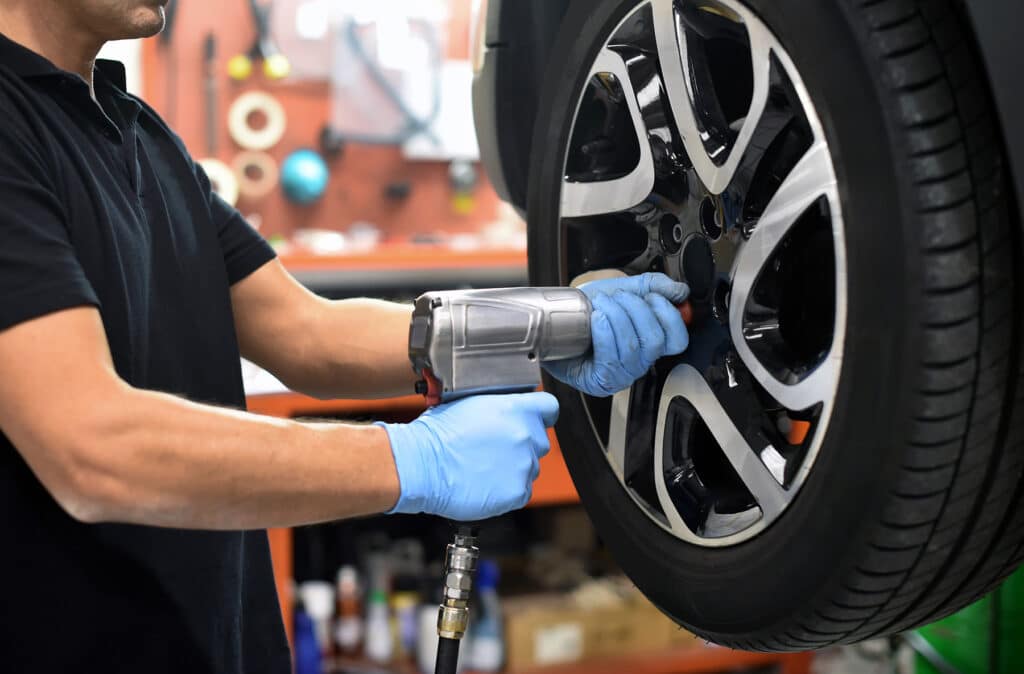
Auto repair service costs depend on several factors, including labor rates, car type, parts selection, repair complexity and the condition of the car. The final price is rarely based on one single problem because every repair involves different levels of time, equipment and expertise.
For drivers, receiving a repair estimate can sometimes feel confusing. Two cars with similar problems can have completely different costs depending on what needs to be repaired and how difficult the repair is.
Understanding what affects pricing helps you make better decisions, avoid unnecessary repairs and know what questions to ask before approving any work.
What Factors Affect Auto Repair Service Costs the Most?
Auto repair service costs are influenced by the type of repair, the car’s design, labour time and the parts required to complete the job correctly. For drivers in areas like Long Island, additional factors such as driving conditions, traffic patterns and seasonal wear can also affect how often repairs are needed.
A commuter driving daily on the Long Island Expressway (I-495) may experience different car wear compared to someone mainly driving short local trips in areas like Huntington, Garden City or Patchogue.
For example, replacing brake pads on a compact sedan is usually straightforward. But, the same repair on a luxury SUV with larger braking systems may require more expensive parts and additional labor time.
The main factors that influence repair pricing include:
- Labor rates and technician time
- car make, model and complexity
- Parts quality and availability
- Diagnostic requirements
- Repair location and shop expertise
- car condition and previous maintenance history
The final cost reflects the time, tools and experience needed to complete the repair properly.
Labor Costs and Repair Time
Labor is one of the biggest factors behind auto repair pricing. A repair that requires several hours of technician work will cost more than a repair that takes less time.
Modern cars often need additional labor because components are packed tightly and harder to access. A simple part replacement can become a longer job if technicians need to remove other components first.
A driver in Nassau County may bring in a car with a coolant leak. The leaking part itself may not be expensive, but accessing it could require removing surrounding components, increasing labour time.
Labour costs are affected by:
- Repair complexity
- Time needed for diagnosis
- car design
- Technician experience
- Required equipment
A professional repair shop charges for the skill and time needed to correctly identify and solve the problem, not just the replacement part.
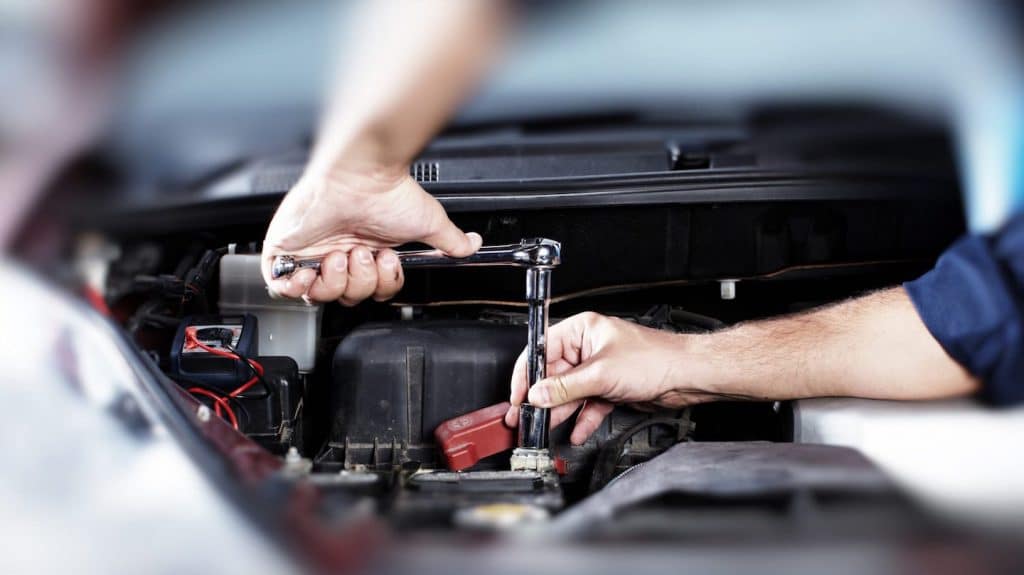
Car Type Changes Repair Costs
The car you drive has a major impact on repair pricing.
A basic economy car usually has affordable parts and simpler systems. Luxury cars, European models and newer cars with advanced technology often require specialized tools, training and parts.
A driver with a standard sedan may have a simple sensor replacement. Meanwhile, a driver with a European SUV may need specialized diagnostics and manufacturer-specific parts for the same warning light.
Car factors that affect repair costs include:
- Availability of replacement parts
- Complexity of onboard systems
- Engine design
- Access to components
- Required diagnostic equipment
Hybrid and electric cars can also involve different repair processes because they use advanced battery systems, electric motors and specialized components.
Parts Choice: OEM vs Aftermarket
Drivers often have a choice between OEM (Original Equipment Manufacturer) parts and aftermarket alternatives. OEM parts are made by the car manufacturer, while aftermarket parts are produced by third-party companies.
Both options can be suitable depending on the repair, car and budget.
A Long Island driver replacing brake components may choose OEM parts for a newer car they plan to keep long-term. Another driver with an older car may choose quality aftermarket parts to control costs.
Parts pricing can vary based on:
- Manufacturer brand
- Part availability
- car age
- Warranty coverage
- Performance requirements
A lower-priced part isn’t always the best option, but the most expensive option isn’t always necessary either. A good repair recommendation considers the car’s condition and the driver’s goals.
Diagnostic Costs and Finding the Real Problem
Many drivers expect repairs to begin immediately when they visit a shop. But, identifying the actual problem often takes time, testing and specialized equipment.
A check engine light is a common example. The warning doesn’t identify one specific failure. It only tells technicians that the car computer detected a problem.
A driver commuting through Suffolk County may notice a warning light appear after weeks of normal driving. The cause could be something simple, such as a loose fuel cap, or something more complex involving sensors, wiring or emissions systems.
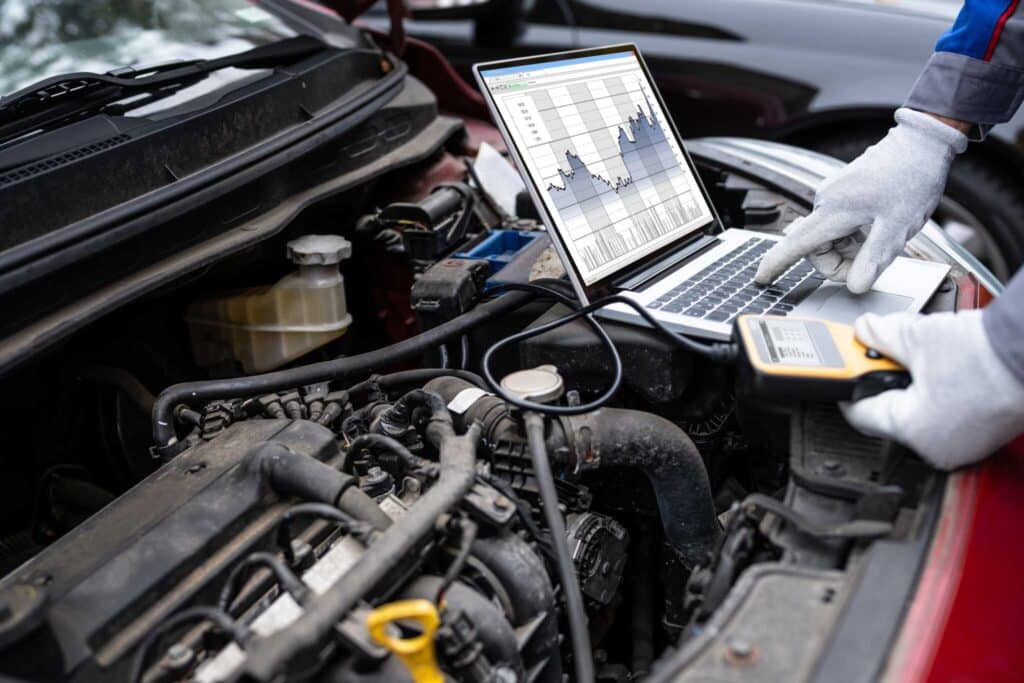
Professional diagnostics may include:
- Computer scanning
- Testing car systems
- Reviewing stored fault codes
- Inspecting physical components
- Road testing
Paying for accurate diagnostics can prevent unnecessary part replacements and repeated repairs.
How Long Island Driving Conditions Affect Repair Costs
Long Island driving conditions can increase car wear over time.
Daily commuting on roads like the Long Island Expressway, Southern State Parkway, Northern State Parkway and Sunrise Highway creates repeated stress through congestion, braking and frequent acceleration.
A car used regularly in stop-and-go traffic may experience faster wear on:
- Brake components
- Tyres
- Suspension systems
- Cooling systems
- Batteries
Winter salt exposure also affects cars across Nassau and Suffolk County. Corrosion can damage brake components, exhaust systems and underbody parts.
A driver travelling between Massapequa and Mineola every weekday may put more stress on their car than someone who mainly drives open roads.
Maintenance History and Car Condition Affect Repair Pricing
The condition of your car plays a major role in determining repair costs. Two cars of the same year and model can have completely different repair needs depending on how they were maintained.
A car with regular oil changes, fluid checks and scheduled maintenance usually requires fewer corrective repairs. On the other hand, a car with delayed maintenance may have multiple problems discovered during one inspection.
Factors that influence repair costs include:
- Car age
- Previous repairs
- Maintenance records
- Existing wear and tear
- Corrosion damage
- Number of related problems
Regular maintenance doesn’t eliminate repairs, but it helps identify problems earlier and prevents small problems from becoming larger ones.
Dealership vs Independent Repair Shop Costs
Where you take your car for repairs can also influence pricing.
Dealerships typically have manufacturer-specific equipment, factory-trained technicians and access to OEM parts. Independent repair shops often provide more flexibility and competitive pricing while servicing a wider range of cars.
The better choice depends on your car, repair type and priorities.
Key differences include:
- Dealerships specialize in specific brands
- Independent shops often have lower labor rates
- Both may offer different parts options
- Repair complexity matters more than shop type
The lowest estimate isn’t always the best option. Quality of work, experience and accurate diagnosis should also influence your decision.
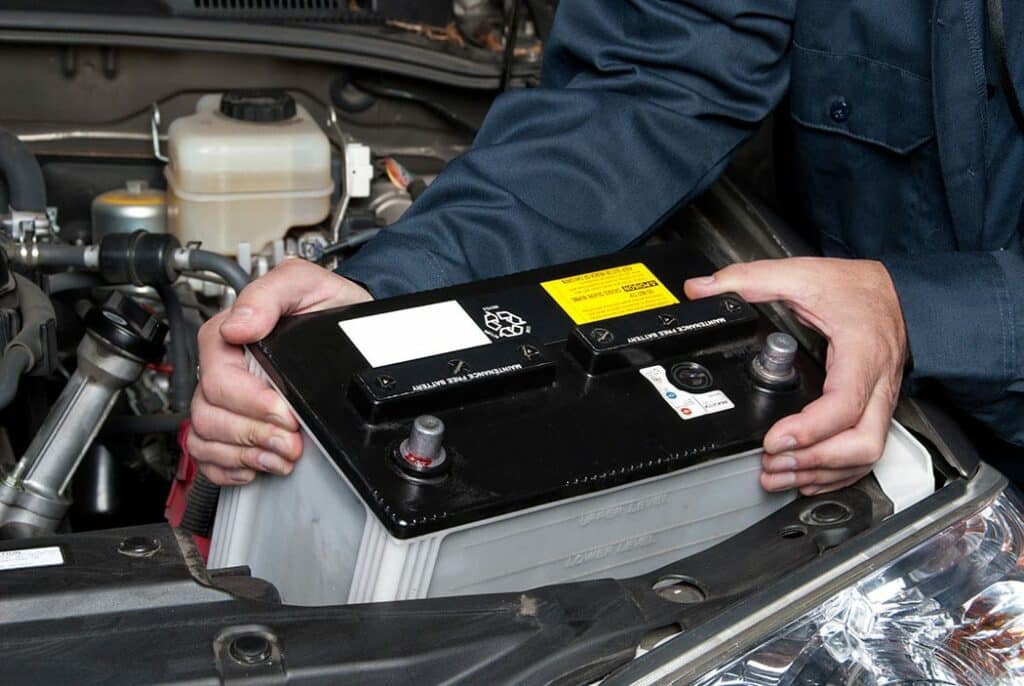
How Can Drivers Reduce Auto Repair Costs?
While unexpected repairs are sometimes unavoidable, drivers can take steps to control expenses and avoid unnecessary work.
The biggest mistake many drivers make is waiting until a problem becomes urgent. A small problem is usually easier and less expensive to repair than a failure that affects multiple car systems.
Simple ways to manage repair expenses include:
- Follow your car manufacturer’s maintenance schedule
- Address warning lights early
- Compare repair estimates for major work
- Ask for a breakdown of labor and parts
- Understand your repair options
- Keep records of previous maintenance
A driver who notices a small brake noise during daily commuting in Garden City may spend less by having it inspected early compared to waiting until the brakes begin damaging other components.
Preventative maintenance is usually more affordable than emergency repairs.
Why Repair Estimates Can Change After Inspection
Many drivers are surprised when the final repair estimate differs from the initial quote.
This usually happens because the first estimate is based on visible symptoms, while a full inspection reveals the complete condition of the car.
A proper repair estimate should explain:
- What caused the problem
- Which parts need replacement
- Labour required
- Recommended repairs
- Urgent vs optional work
A clear explanation helps drivers make informed decisions without unnecessary repairs.
Frequently Asked Questions About Auto Repair Service Costs
Why are auto repair service costs different between cars with the same problem?
Repair costs vary because cars have different designs, parts and repair requirements. A brake problem on a compact sedan may require less labor than the same problem on a luxury SUV with larger components and more complex systems.
Are expensive repairs always caused by expensive parts?
Not always. Labor time, diagnostics and accessibility often contribute more to the final price than the part itself. A low-cost component can still require several hours of work if it is difficult to access.
Should I always choose the cheapest repair estimate?
The cheapest estimate may not always provide the best value. Drivers should consider technician experience, parts quality, warranty options and whether the repair addresses the actual cause of the problem.
How can I know if a repair shop is charging fairly?
A trustworthy shop should provide a clear explanation of the problem, a detailed estimate and a breakdown of labor and parts. Avoid estimates that do not explain what work is being completed.
Do older cars always cost more to repair?
Not necessarily. Older cars may have simpler systems and lower part costs. However, age-related wear, corrosion and outdated components can increase repair needs if maintenance has been neglected.
Why do diagnostic fees exist?
Diagnostic fees cover the technician’s time, equipment and testing required to identify the problem. Accurate diagnosis prevents unnecessary part replacements and helps ensure repairs target the real problem.
Are aftermarket parts safe to use?
Quality aftermarket parts can be suitable for many repairs. The right choice depends on the car, part type, budget and how long the driver plans to keep the car.
Get a Clear Repair Estimate from MB Automotive
Understanding what influences auto repair service costs helps drivers make better decisions before approving repairs. Labor time, car complexity, parts selection and maintenance history all affect the final price.
At MB Automotive, we focus on accurate inspections, clear explanations and honest repair recommendations. Our team helps drivers understand what their car needs and why, without recommending unnecessary work.
Whether you need routine maintenance, diagnostics or a larger repair, we provide solutions based on your car’s actual condition.
Contact MB Automotive today and request a custom quote for your car’s needs.