
August 26, 2026
Long Island Auto Repair Seasonal Maintenance Checklist
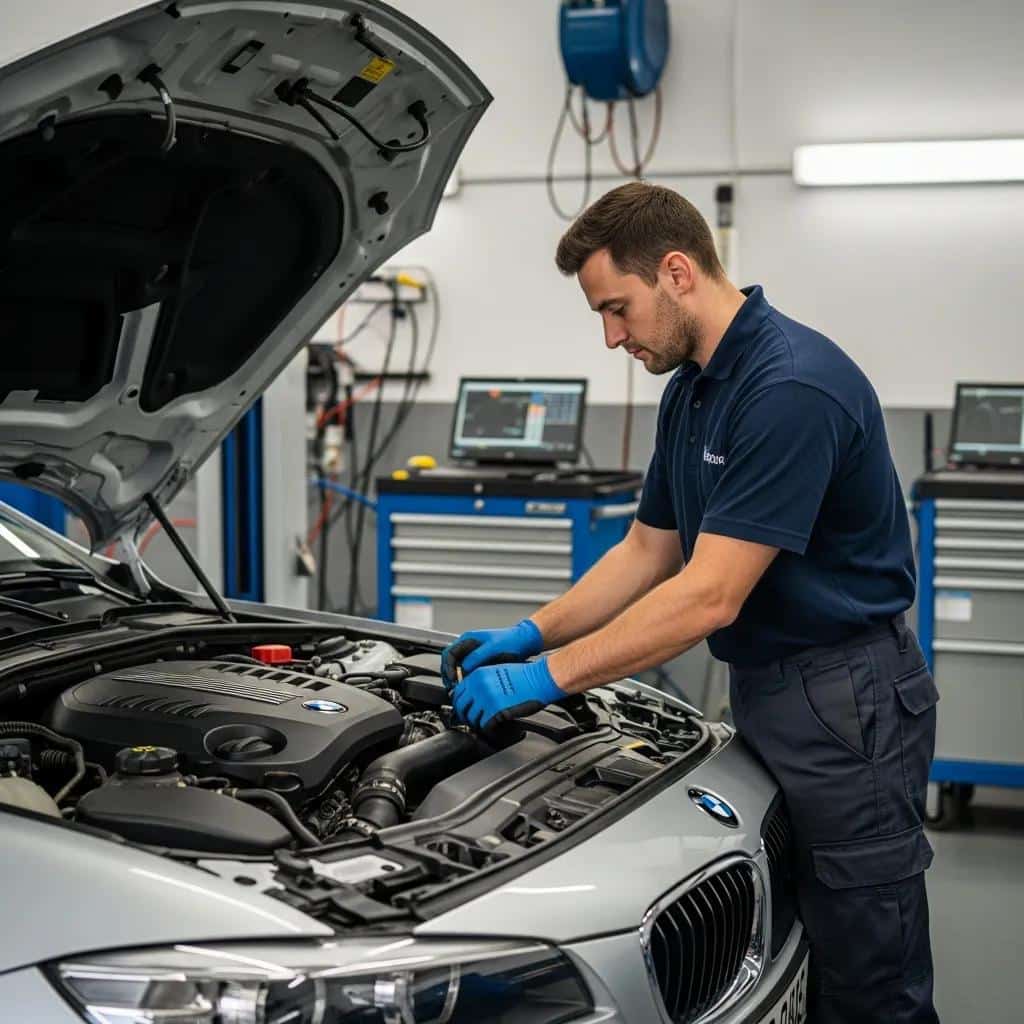
A seasonal maintenance routine helps you prepare your vehicle for changing temperatures, road conditions, and driving demands. This Long Island auto repair seasonal checklist covers the key areas to inspect before each season, including fluids, tires, batteries, brakes, and climate systems. You’ll also learn which maintenance tasks deserve priority, what can affect the cost, and when professional inspection makes sense.
What Should Be On A Long Island Auto Repair Seasonal Checklist?
Your Long Island auto repair seasonal checklist should cover the systems most affected by temperature changes and increased driving demands. The right timing depends on your vehicle, mileage, manufacturer maintenance schedule, and current condition.
For preventive maintenance for Long Island drivers, focus on these areas:
- Engine oil and filter
- Battery and starting system
- Tires and tire pressure
- Brakes
- Coolant and other fluids
- Windshield wipers and washer fluid
- Heating and air conditioning
- Lights and visibility
- Belts, hoses, and other wear items
A seasonal inspection does not mean replacing every component. If a part is working properly and remains within the vehicle manufacturer’s service requirements, replacement may not be necessary.
Spring Maintenance: Check For Winter Wear
Spring is a useful time to inspect your vehicle after months of cold temperatures, wet roads, and winter driving. Start with tires, brakes, fluids, and the battery, then address any problems you noticed during winter.
Check your tire pressure and tread condition first. Temperature changes can affect pressure, while winter driving can expose existing tire wear. Look for uneven tread wear, visible damage, or other signs that your tires need professional attention.
Your brakes also deserve a close inspection. Pay attention to changes in braking performance, unusual noises, vibrations, or a brake pedal that feels different from normal.
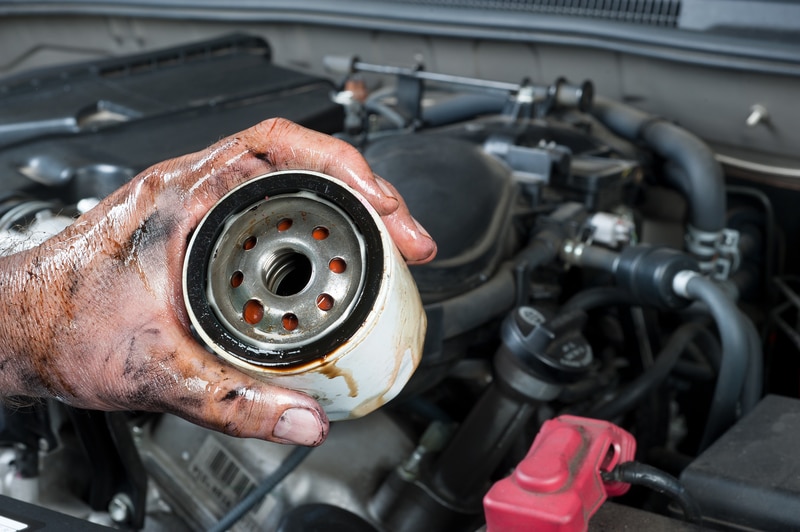
A spring inspection is also a practical time for a lube, oil and filter change if your vehicle is due according to its maintenance schedule.
Spring Checklist
- Check tire pressure and tread condition
- Inspect tires for uneven wear or visible damage
- Check brake performance and listen for unusual noises
- Check engine oil and filter service interval
- Inspect coolant level and condition
- Check belts and hoses
- Test air conditioning performance
- Inspect windshield wipers and washer fluid
- Check exterior and brake lights
- Check cabin and engine air filters
- Review any winter-related warning lights or vehicle symptoms
If your vehicle experienced a specific problem during winter, mention it when you bring it in. A technician can investigate the symptom rather than treating the inspection as a generic checklist.
Summer Maintenance: Prepare For Heat And Longer Drives
Summer driving can put additional demands on your vehicle’s cooling, air conditioning, tires, and battery systems. Before a long road trip or period of heavy driving, check the systems that help your vehicle manage heat and maintain reliable performance.
Your cooling system is particularly important. Check the coolant level and look for signs of leaks. If your temperature gauge behaves differently from normal or your vehicle begins running hotter than expected, have the issue diagnosed rather than continuing to drive and hoping it disappears.
Air conditioning should also be checked before temperatures rise. Weak cooling, unusual noises, or poor airflow can indicate a problem that deserves attention.
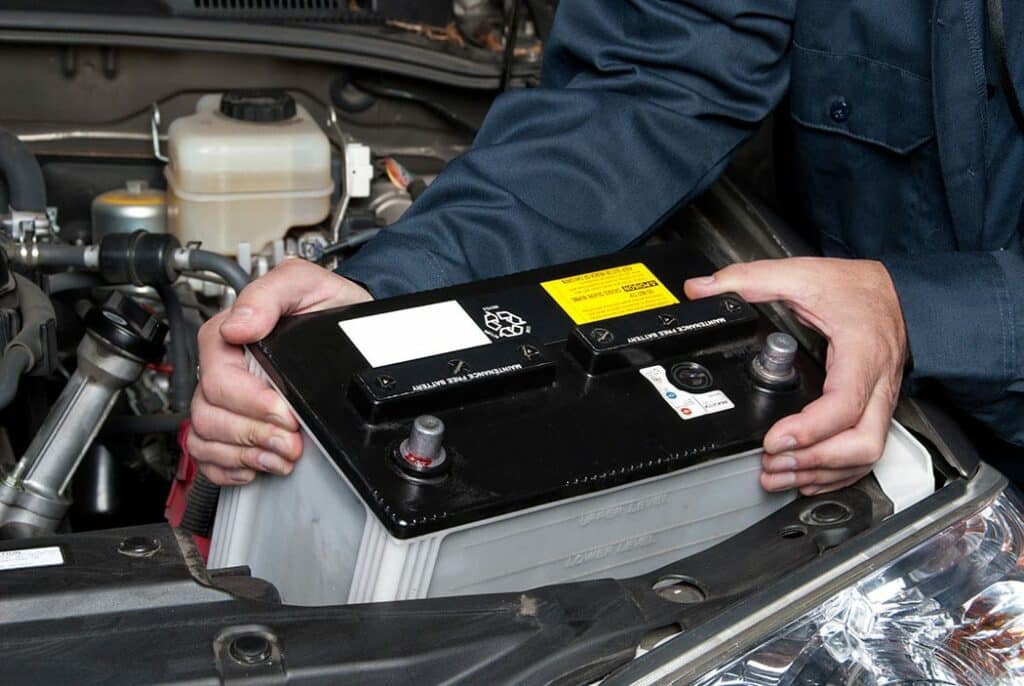
Your battery should not be overlooked during summer. Extreme temperatures can affect battery performance, so starting batteries should be inspected when you notice slow engine cranking or other starting changes.
For road trips, inspect your tires before leaving. Check pressure when the tires are cold and make sure the tread condition is suitable for the journey.
Summer Checklist
- Check coolant level and look for leaks
- Check engine temperature and cooling system performance
- Test air conditioning cooling and airflow
- Check battery and starting performance
- Inspect tire pressure and tread
- Check brakes before long trips
- Inspect engine oil and other fluid levels
- Check windshield wipers and washer fluid
- Test exterior lights and brake lights
- Check belts and hoses
- Review upcoming manufacturer-recommended maintenance
- Schedule any needed service before a long road trip
Fall Maintenance: Get Ready For Colder Weather
Fall is the ideal time to prepare for lower temperatures and changing driving conditions. Focus on your battery, tires, brakes, fluids, visibility, and heating system.
Start with the battery and charging system. If your vehicle has shown signs of a weak start, do not wait for colder weather to reveal a larger problem.
Your tire service needs may also change as temperatures drop. Check tire pressure regularly because pressure can change with temperature. Inspect tread depth and look for uneven wear or damage.
Check your windshield wipers before rainy weather becomes more frequent. Replace worn blades if they leave streaks or fail to clear the windshield properly.
Your heating system should also be ready for colder mornings. If the heater does not produce sufficient heat, airflow is weak, or the system behaves unusually, schedule an inspection before you depend on it.
Fall Checklist
- Test battery and charging system
- Check for slow starting or other battery symptoms
- Check tire pressure as temperatures begin to fall
- Inspect tire tread and wear patterns
- Check brakes and brake fluid
- Inspect coolant and other fluid levels
- Test heating system performance
- Inspect windshield wipers
- Top up appropriate washer fluid
- Check headlights, brake lights, and other exterior lights
- Inspect belts and hoses
- Review upcoming manufacturer-recommended maintenance
Fall is also a sensible time to review your vehicle’s manufacturer-recommended maintenance schedule. If a service is approaching based on mileage or time, combining it with a seasonal inspection can be more efficient.
Winter Maintenance: Focus On Starting, Braking, And Visibility
Winter preparation should prioritise the systems you depend on most in cold and potentially difficult road conditions. Battery performance, tires, brakes, fluids, heating, and visibility all deserve attention.
Check your battery if you have experienced slow starts. Inspect the tires for adequate tread and correct pressure, and make sure your brakes operate normally.
Keep the windshield washer reservoir filled with an appropriate washer fluid for the conditions. Your wipers should clear the windshield effectively, and all exterior lights should work correctly.
Cold weather can also expose problems that were less noticeable during warmer months. A vehicle that starts normally in mild weather may show signs of a weak battery when temperatures fall.
If you notice unusual starting behaviour, do not assume it is simply because the weather is cold. The battery, charging system, starter, or another component may require diagnosis.
Winter Checklist
- Test battery and charging system
- Check for slow starting or other battery symptoms
- Check tire pressure and tread condition
- Inspect tires for damage or uneven wear
- Check brakes and brake fluid
- Check coolant level and condition
- Test heating and defrosting performance
- Inspect windshield wipers
- Fill washer fluid with a suitable winter formulation
- Check headlights, brake lights, and other exterior lights
- Check belts and hoses
- Address warning lights or unusual vehicle behaviour before winter driving
How Much Does Seasonal Auto Maintenance Cost?
There is no single price for seasonal vehicle maintenance because the cost depends on what your vehicle needs. A basic inspection may involve fewer services than a visit that includes scheduled maintenance, tires, brakes, or repairs.
The main factors affecting cost include:
- Vehicle make, model, and year
- Manufacturer maintenance requirements
- Mileage and service history
- Parts required
- Labour required
- Condition of tires, brakes, fluids, and other components
- Whether a repair is needed in addition to routine maintenance
Routine maintenance and repairs should also be treated differently when comparing estimates. An oil change, for example, is a scheduled maintenance service. Replacing worn brake components is a repair resulting from component condition.
If you are comparing estimates, ask what the quoted service includes and whether the recommendation is based on the manufacturer’s maintenance schedule, an inspection finding, or a specific symptom.
When Do You Actually Need Seasonal Maintenance?
You may not need a separate seasonal appointment every few months if your vehicle already receives regular manufacturer-scheduled maintenance and remains in good condition.
The value of a seasonal inspection is higher when your driving conditions change, you are preparing for a long trip, your vehicle has higher mileage, or you have noticed new symptoms.
You should also avoid replacing parts simply because a checklist says they should be replaced. Inspection results and manufacturer requirements should guide the decision.
For example, if your tires have appropriate tread, even wear, correct pressure, and no visible damage, you may not need new tires simply because winter is approaching. If the inspection identifies a problem, however, delaying it may leave you with less time to address it before conditions change.
How To Choose A Seasonal Auto Repair Shop
Choosing a reliable auto repair shop Long Island drivers can trust starts with looking beyond the cheapest advertised service. You want a shop that can inspect your vehicle properly, explain what it finds, and distinguish necessary repairs from optional recommendations.
Consider whether the shop:
- Works on your vehicle’s make and model
- Provides maintenance as well as diagnostics and repairs
- Explains recommended work clearly
- Provides transparent pricing
- Uses appropriate replacement parts
- Follows manufacturer-recommended maintenance requirements
- Can handle both routine services and more complex repairs
For European vehicles, specialist knowledge can also matter. A shop familiar with BMW, Mercedes-Benz, Audi, Volvo, and other European vehicles may be better positioned to understand the vehicle’s specific maintenance requirements.
Common Mistakes to Avoid
Seasonal maintenance works best when you use it to make informed decisions rather than treating it as a list of automatic replacements.
- Ignoring small changes: New noises, slow starts, warning lights, or changes in handling can indicate developing problems. Have unusual symptoms checked rather than waiting for them to become more obvious
- Checking tire pressure only before trips: Tire pressure can change as temperatures change. Check it regularly and follow the pressure specification for your vehicle
- Replacing parts without an inspection: A seasonal checklist does not mean every component needs replacement. Base the decision on condition, mileage, symptoms, and manufacturer recommendations
- Skipping scheduled maintenance: Seasonal checks do not replace the manufacturer’s maintenance schedule. Keep track of time- and mileage-based services
- Waiting until the first extreme weather: Scheduling maintenance at the last minute can make preparation harder. Address known problems before you need the affected system most
Frequently Asked Questions
How Often Should You Get Seasonal Car Maintenance?
A seasonal inspection can be useful about twice a year, particularly before major changes in driving conditions. However, your manufacturer’s maintenance schedule should remain the primary guide. If you notice symptoms between inspections, have them assessed rather than waiting for the next seasonal check.
What Should I Check Before Winter Driving On Long Island?
Check your battery, tires, brakes, coolant, windshield wipers, washer fluid, heating system, and exterior lights. Tire pressure and battery condition deserve particular attention because cold temperatures can expose existing weaknesses. You should also address warning lights or unusual vehicle behaviour before winter driving becomes more demanding.
Is An Oil Change Part Of Seasonal Maintenance?
An oil change can be part of seasonal maintenance when it coincides with your vehicle’s recommended service interval. You do not necessarily need an oil change solely because the season changes. Follow the manufacturer’s mileage and time recommendations and consider the vehicle’s driving conditions.
Should I Replace My Tires Before Winter?
Not necessarily. Tire replacement depends on tread condition, wear pattern, damage, age, and the type of driving you expect to do. If your current tires remain suitable for your vehicle and driving conditions, replacement may not be necessary. Have questionable tires inspected before winter rather than replacing them automatically.
How Do I Know If My Battery Needs Attention?
Slow engine cranking, repeated starting problems, or changes in starting performance can indicate that your battery or charging system needs inspection. A battery that starts the vehicle normally does not automatically need replacement. Testing can help determine whether the battery and charging system are performing as expected.
Can I Do Seasonal Maintenance Myself?
You can handle simple checks such as tire pressure, fluid levels, lights, and windshield wiper condition. More involved work, including brake inspections, battery testing, diagnostics, and manufacturer-scheduled maintenance, may require professional equipment and technical knowledge.
Book Your Seasonal Maintenance Service
A seasonal inspection gives you a practical opportunity to check the systems you rely on throughout the year and address maintenance based on actual vehicle condition. Use this Long Island auto repair seasonal checklist alongside your manufacturer’s service schedule so you know what needs attention and what does not.
At MB Automotive, we provide full-service European auto repair in Bay Shore, NY, including routine maintenance, diagnostics, and repairs for drivers across Suffolk and Nassau counties. Our ASE-certified technicians work with OEM and OE-equivalent parts and service vehicles including BMW, Mercedes-Benz, Audi, Volvo, and other European makes.
Book your seasonal maintenance service today and keep your vehicle safe and reliable year-round.