
October 14, 2026
What to Do When Your Check Engine Light Turns On Unexpectedly
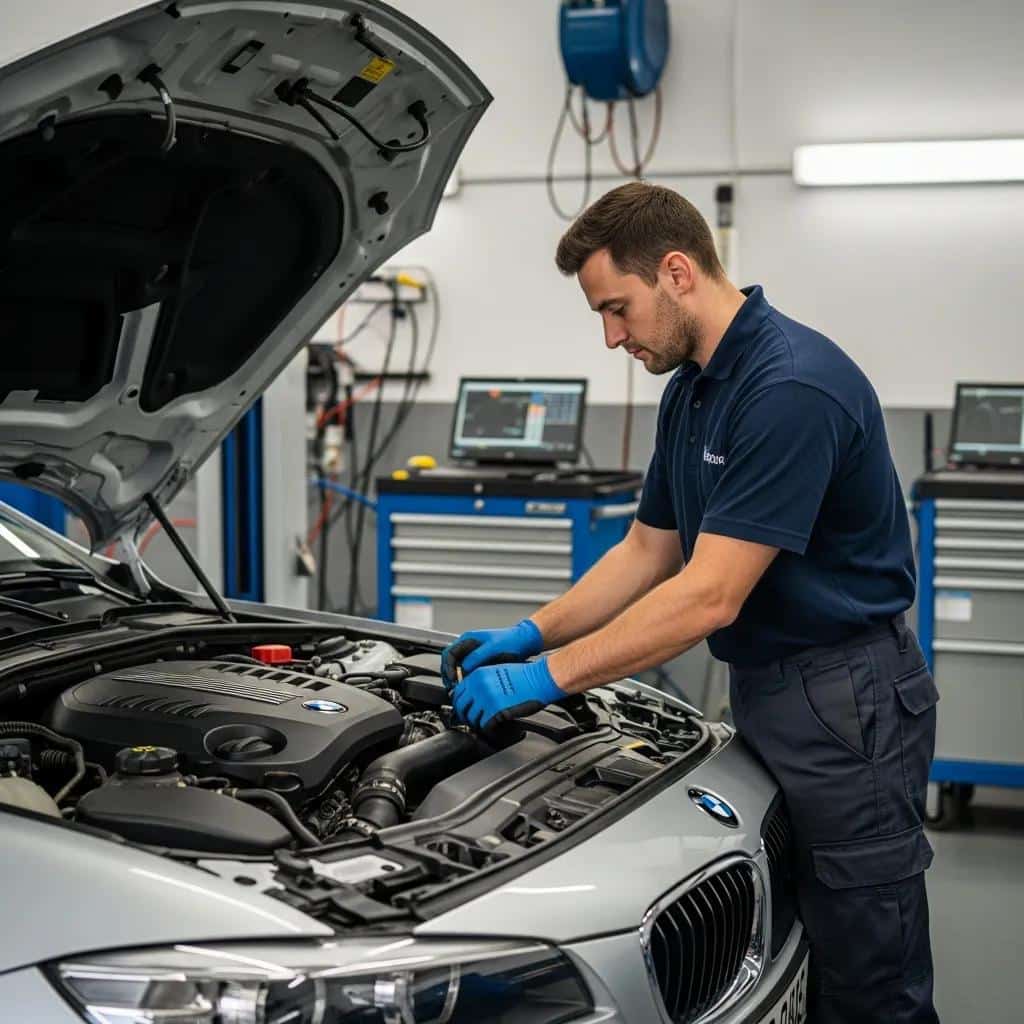
When your check engine light turns on unexpectedly, your first question is usually whether you can keep driving. If the light is flashing, or the car is shaking, losing power, overheating, or smells like something is burning, pull over safely and shut the engine off. If the light is steady and the car drives normally, you can usually continue carefully, check your gas cap, and have the problem diagnosed within a few days.
This guide covers what to do first, how urgent each warning is, and what the light means for your New York State inspection.
What It Means When Your Check Engine Light Turns On Unexpectedly
When your check engine light turns on unexpectedly, your car’s onboard computer has detected a fault and stored a diagnostic trouble code. The light, officially called the malfunction indicator lamp (MIL), is part of the OBD-II system that monitors your engine and emissions equipment.
Causes range from a loose gas cap, worn spark plugs, or a faulty oxygen sensor to an evaporative emissions (EVAP) leak or a misfire that’s damaging your catalytic converter. Some involve parts that regular preventive maintenance would catch early, while others point to deeper engine problems. The light can’t tell you which one you have, which is why a proper engine diagnostic beats guessing.
Steady vs. Flashing: How Urgent Is Your Warning?
A steady light means you should get the car checked soon. A flashing light means stop driving as soon as it’s safe, because it usually signals an active misfire that can overheat the catalytic converter.
| What You See | What It Usually Means | What to Do |
| Steady light, car drives normally | A fault that needs attention soon | Check the gas cap, drive gently, book a diagnostic within a few days |
| Steady light with rough running or power loss | A problem affecting performance | Limit driving and get it inspected promptly |
| Flashing light | Active misfire or serious engine fault | Pull over safely, turn off the engine, arrange a tow |
| Red oil pressure or temperature warning | Low oil pressure or engine overheating, separate from the MIL | Stop immediately and don’t restart the engine |
Waiting a few days is reasonable when the light is steady and nothing feels different, especially if it appeared right after you refueled and the cap may not have clicked shut. If you’re unsure whether a symptom needs same-day attention, this comparison of emergency repairs and routine maintenance can help.
What to Do in the First 10 Minutes
Your goal is to decide whether the car is safe to drive and to collect details a technician can use. Work through these steps before you merge back onto Sunrise Highway or the Southern State Parkway.
- Notice any shaking, hesitation, stalling, or loss of power
- Check whether the light is steady or flashing
- Pull over safely if it’s flashing or the car runs poorly
- Look for high temperature or low oil pressure warnings
- Tighten your gas cap until it clicks
- Note any smells, sounds, or dashboard messages
- Avoid towing, hard acceleration, and long highway runs until it’s checked
Why a Free Parts-Store Scan Isn’t a Diagnosis
A free code read tells you which system flagged a fault, not which part failed. It’s a useful clue, but replacing parts based on that code alone often wastes money.
An oxygen sensor code, for example, could come from the sensor itself, damaged wiring, a corroded connector, or an exhaust leak. Wiring faults are common enough that electrical system testing is often part of the job. This guide to engine diagnostics on Long Island explains the full process.
Check Engine Light Tips for BMW, Mercedes-Benz, Audi and Volvo Owners
European vehicles often pair the amber engine symbol with a written message in the instrument cluster, so read that message first. BMW drivers typically see a Check Control message, Audi owners may also see an EPC (electronic power control) light, and Volvo drivers should check the driver display. Many Mercedes-Benz and BMW models also limit power to protect the engine, often called limp mode, which you should treat as urgent.
These cars store manufacturer-specific fault codes across many control modules, so brand-level diagnostic software sees far more than a basic code reader.
How a Check Engine Light Affects Your New York State Inspection
In New York, a lit check engine light can cause your car to fail its annual inspection. New York’s OBDII emissions inspection checks whether the light is illuminated, and a failed emissions inspection can keep you from registering or renewing your registration.
Clearing the code right before inspection usually backfires because it resets your readiness monitors, the self-tests that confirm emissions equipment works. For 2001 and newer vehicles, New York follows EPA guidelines allowing only one monitor to be “not ready,” and a recently disconnected or replaced battery can cause the same problem. If your sticker expires soon, repair the fault first and allow several days of normal driving before inspection.
What Does a Check Engine Light Diagnostic Cost?
Diagnostic pricing depends on how much testing your car needs. A quick code scan costs less than tracking down an intermittent electrical fault or a misfire that only appears under load.
Cost factors include your vehicle’s make and model, whether brand-specific software is required, and how long the fault takes to reproduce. The Federal Trade Commission’s auto repair guidance recommends asking about diagnostic charges and getting a written estimate before you approve work. Diagnosing early costs less than letting a misfire turn into exhaust system repair.
Common Mistakes to Avoid
Most expensive check engine light repairs start with a small decision made in the first few days.
- Driving on a flashing light can destroy your catalytic converter, so pull over and arrange a tow
- Clearing the code without a repair hides the problem and resets your readiness monitors, so diagnose and fix it first
- Replacing parts based only on a code often fixes nothing, so confirm the cause with testing before buying parts
- Ignoring a light that turned itself off lets an intermittent fault grow, so mention it at your next service
- Waiting until your inspection is due leaves no time for repairs and monitor resets, so book a diagnostic right away
Frequently Asked Questions
Can I Drive With My Check Engine Light On?
You can usually drive short distances if the light is steady and the car runs normally. Drive gently and get it diagnosed within a few days. If the light is flashing or the car shakes, stalls, or loses power, stop driving and arrange a tow.
Why Did My Check Engine Light Come On After Getting Gas?
A loose, damaged, or missing gas cap is a common reason. The EVAP system checks for fuel vapor leaks, and an unsealed cap can register as one. Tighten the cap until it clicks and drive normally for a few days. If the light stays on, have the system tested.
Will a Check Engine Light Turn Off by Itself?
Sometimes. If the fault stops occurring, such as after you tighten a loose gas cap, the light may turn off after several drive cycles. The trouble code may stay stored for a while. A light that keeps coming back points to an intermittent problem worth diagnosing.
Does Disconnecting the Battery Reset the Check Engine Light?
On many vehicles, disconnecting the battery clears stored codes and turns the light off temporarily. It doesn’t fix the cause, and it resets the readiness monitors New York inspections check. If the fault is still present, the light will return, so diagnosis is the better path.
How Long Does a Check Engine Light Diagnostic Take?
A basic code scan takes only a few minutes, but a full diagnosis takes longer. Simple faults may be confirmed quickly, while intermittent electrical problems or misfires that appear only under certain conditions can require extended testing or a road test. Ask for a time estimate when booking.
Get a Check Engine Light Diagnostic in Bay Shore
Your next step is to find out exactly what triggered the light before it becomes a bigger repair.
At MB Automotive, we turn a confusing dashboard warning into a clear answer and an honest repair plan. We tell you whether your car is safe to drive, what’s wrong, and what the fix involves.
A check engine light can leave you second-guessing every mile, especially with an inspection deadline coming up. At MB Automotive in Bay Shore, our ASE-certified technicians use brand-level diagnostic software to find what’s actually wrong with your BMW, Mercedes-Benz, Audi, Volvo, or other European vehicle. You’ll know what’s wrong and what the fix will cost before any work begins.
If your check engine light turns on unexpectedly, let our team find the real cause and get you back on the road with confidence.